Ethanol crucial for India; fastest, cheapest way to cut road emissions: Toyota exec
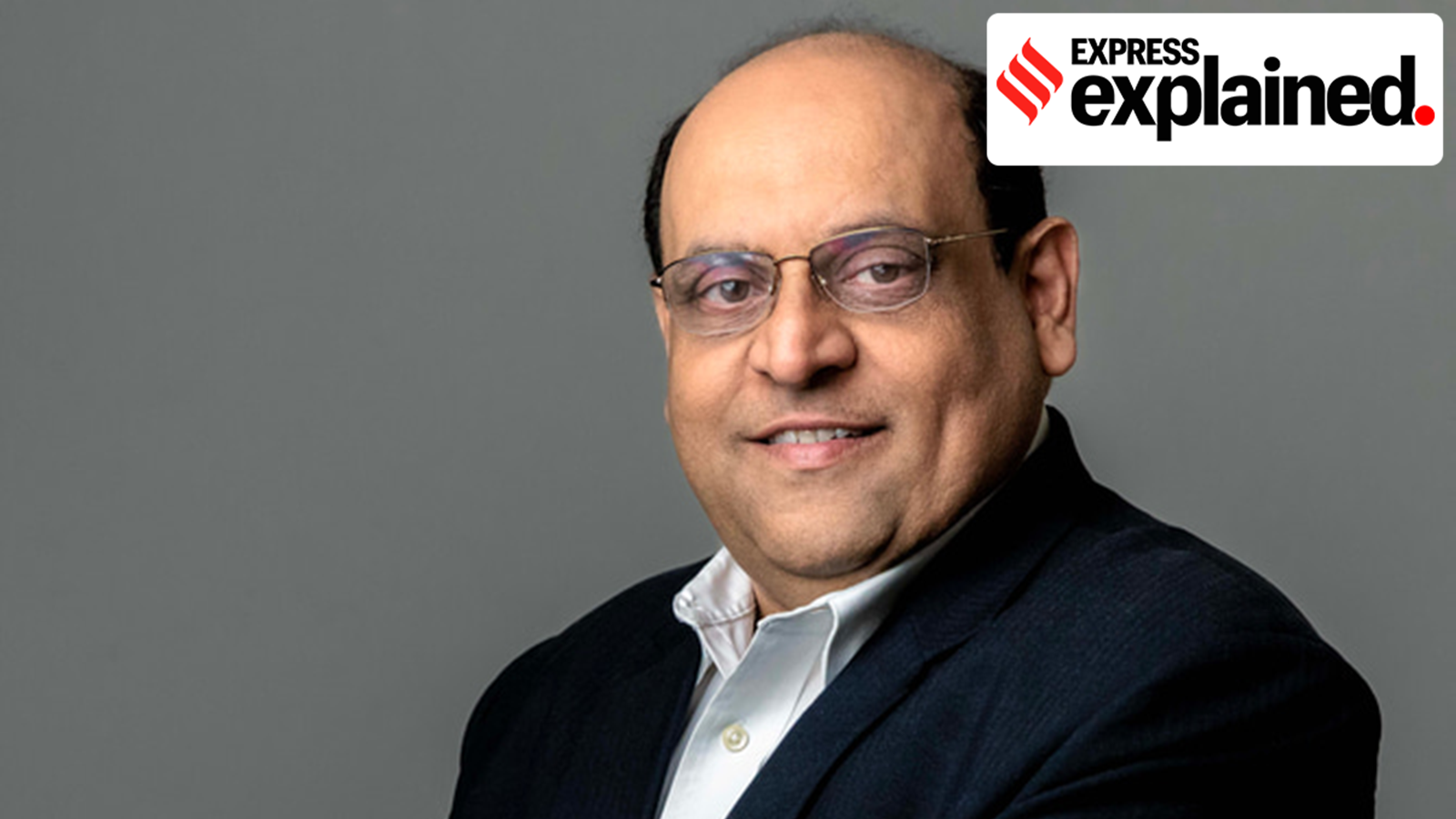
Toyota Kirloskar Motors has emphasised the critical role of ethanol in India's transition to cleaner mobility, calling it the fastest and cheapest way to decarbonise road transport. Vikram Gulati, country head and executive vice-president at the automaker, said that supporting all cleaner technologies — including electric vehicles (EVs), hybrids, flex-fuels, and compressed biogas — is necessary to meet India's energy and environmental goals.
Speaking on the country's mobility transition, Gulati highlighted India's macro priorities: reducing fossil fuel consumption, cutting carbon emissions, lowering pollution, increasing domestic value addition, and decreasing dependence on imported energy. He noted that the scale of the challenge is so large that even if all clean technologies grow, fossil fuels will still be part of the system for some time.
On ethanol, Gulati said it is extremely relevant for India as it is a domestically produced energy source that supports the agricultural economy. 'It helps reduce the amount of fossil fuel we consume and is the fastest as well as cheapest way to decarbonize road mobility,' he stated.
Addressing concerns about ethanol blending's impact on fuel efficiency, Gulati said studies show that shifting from E10 (10% ethanol blend) to E20 has a negligible material impact, with fuel efficiency reduction in the range of 3-5%. However, he cautioned that for E25, both new and older vehicles need to be evaluated before making that transition.
Gulati also called for greater policy support for hybrid vehicles. He argued that every hybrid sold replaces a petrol or diesel vehicle, thereby helping the country, cities, and the environment. 'Policy should ensure that the customer is not inadvertently taxed more for choosing such a clean technology,' he added.
He dismissed the notion of a conflict between EVs and hybrids, stating, 'It is not EV versus hybrid — it is EVs and hybrids.' He emphasised that a hybrid does not distract a customer who wants an EV, but it can persuade someone considering a conventional petrol or diesel car to choose a cleaner option.
On India's ethanol blending roadmap, Gulati said the time is right to accelerate it. He noted that the ethanol industry has significant available capacity, with plants operating below potential. Scaling up production can help reduce petrol consumption and fossil fuel dependence.
Drawing lessons from Brazil, he highlighted the importance of flex-fuel vehicles (FFVs). Brazil initially pushed ethanol-only vehicles but saw limited adoption. The breakthrough came when FFVs were introduced, giving customers the flexibility to use different ethanol blends depending on availability and economics. Gulati said that if Indian policies create economic value for customers — both at the time of buying FFVs and when using ethanol fuel — adoption can grow quickly.
He concluded that India's energy challenge is huge, with forecasts indicating that a significant part of the increase in global fossil fuel demand will come from India. Improving efficiency and encouraging energy substitution through both electricity and ethanol are essential to address this.