Demis Hassabis Proposes Frontier AI Standards Body, Warns of Rapid AGI Arrival
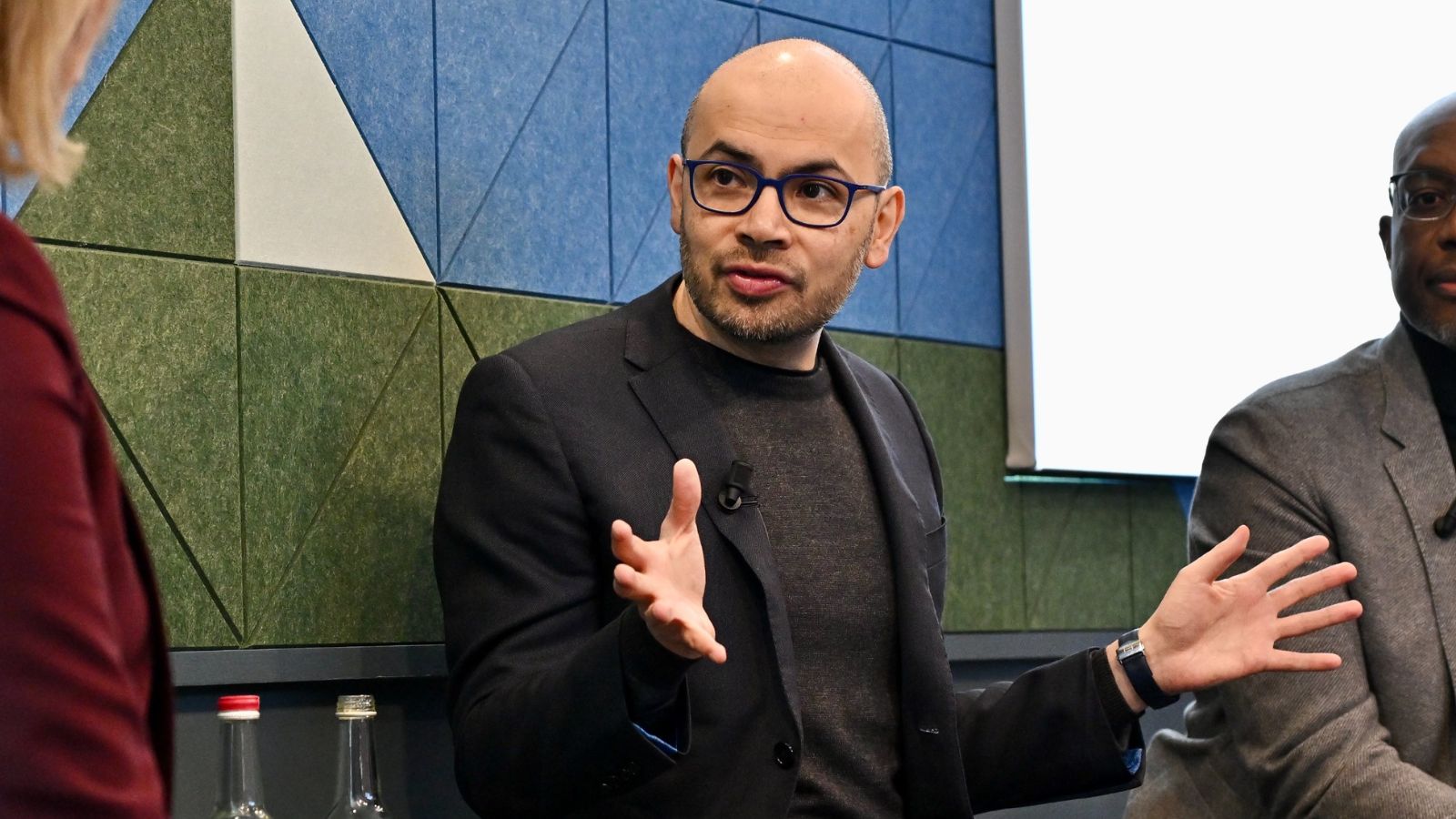
Google DeepMind founder and CEO Demis Hassabis has called for the creation of an independent regulatory body in the United States to assess the world's most advanced artificial intelligence models before their public release. In a detailed blog post, the Nobel laureate proposed a framework similar to the Financial Industry Regulatory Authority (FINRA), which oversees securities firms.
Hassabis's proposal comes as the US government intensifies scrutiny of frontier AI models, such as Anthropic's Mythos and OpenAI's GPT-5.6, sparking debate on how to evaluate advanced AI before release. He suggests a 30-day pre-assessment window for frontier models—longer than current voluntary reviews but shorter than many existing regulatory processes.
In his post titled 'A Framework for Frontier AI and the Dawning of a New Age', Hassabis argues that artificial general intelligence (AGI)—systems with human-level cognitive capabilities—could arrive within the next few years. He states that AGI has the potential to be one of the most transformative technologies in history, akin to the discovery of electricity or fire. According to Hassabis, AGI could accelerate scientific breakthroughs in drug discovery, clean energy, and advanced materials, while driving significant economic growth. 'The magnitude of this technology's impact will be unprecedented, perhaps 10x that of the Industrial Revolution at 10x the speed,' he wrote.
However, Hassabis also warns that AI capabilities are advancing faster than society's understanding of its risks. He highlights cybersecurity, biological threats, and future autonomous AI systems as areas requiring stronger safeguards. 'Nobody in the world knows for sure what is going to happen from here, and even the experts disagree,' he wrote. 'When there is a large degree of uncertainty and the stakes are this high, proceeding with cautious optimism is the sensible and correct strategy.'
Hassabis advocates for public policy that promotes innovation while incentivising responsibility and security. He proposes a frontier AI standards body through a public-private partnership in the US, modelled after FINRA. This body would define technical benchmarks for identifying frontier AI models and conduct meticulous evaluations before deployment.
Under the proposed framework, AI developers would initially voluntarily submit their frontier models for review up to 30 days before launch. If effective, Hassabis suggests these assessments could become mandatory for models released in the US. The standards body would test for risks related to cybersecurity, biological threats, and national security, while also evaluating whether systems attempt to bypass safety measures or display deceptive behaviour. Companies designated as Frontier Labs would be encouraged to publish model cards, strengthen cybersecurity, invest in safety research, and cooperate on fixing vulnerabilities after release.
Hassabis emphasises that the framework should evolve alongside AI, with benchmarks updated regularly and independent experts helping design new tests. Although the proposal focuses on the US, he envisions it as a basis for international standards governing the most powerful AI systems.







