India Mandates Real-Time Tracking of Seafarers After Deadly Gulf Attacks
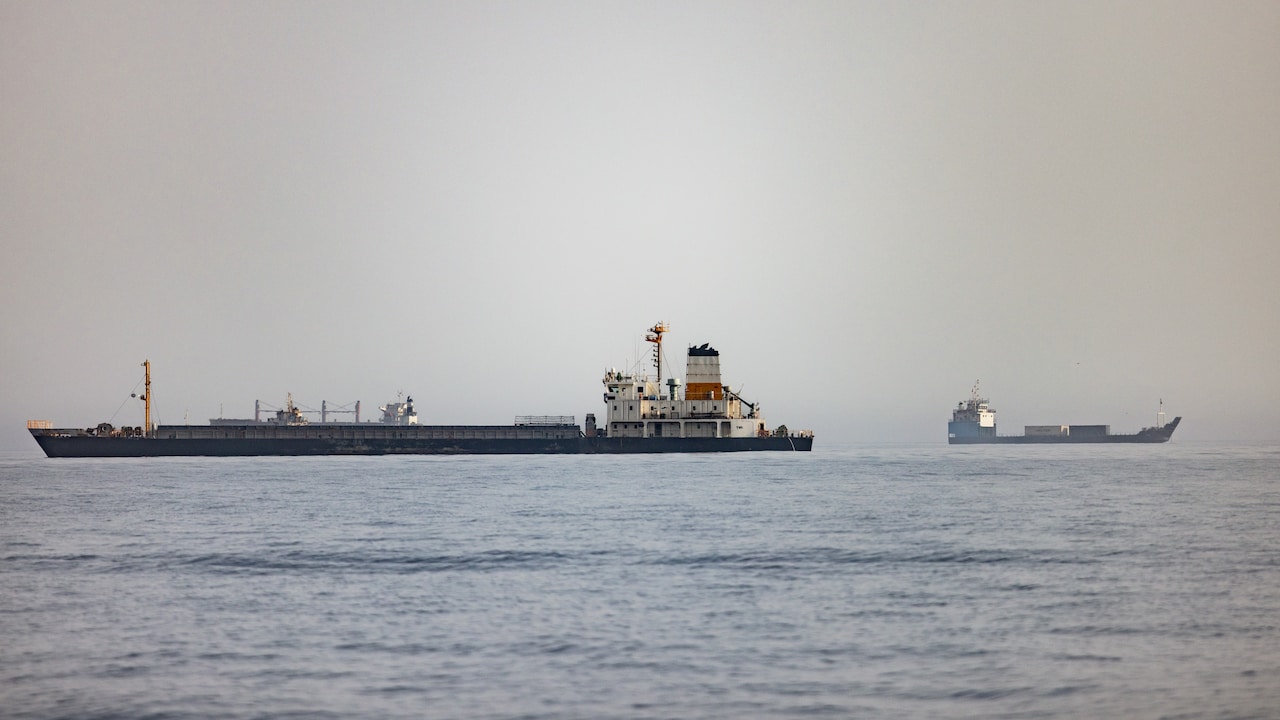
In response to recent attacks on merchant vessels in the Persian Gulf and Strait of Hormuz, the Indian government has ordered real-time monitoring of all Indian seafarers operating in the region. The directive, issued by Shipping Minister Sarbananda Sonowal, requires the Directorate General of Shipping (DGS) to establish a comprehensive dashboard to track every Indian citizen on each vessel, regardless of the ship's flag.
The dashboard will provide real-time information on vessel position, ownership, cargo, crew strength, welfare, threat assessment, intended voyage, next port of call, and available facilities. The minister emphasized that every Indian seafarer in the affected area must be individually accounted for, with no compromises on safety and security.
The decision follows attacks on two vessels—MT Al Bahiyah and MT Mombasa—in the Strait of Hormuz. These ships collectively carried 30 Indian seafarers out of a total crew of 46. One Indian seafarer died and another was injured aboard MT Al Bahiyah, while nine Indian nationals sustained injuries on MT Mombasa.
Chairing a high-level inter-ministerial review meeting, Sonowal ordered vessel-by-vessel monitoring, appointment of dedicated liaison officers for each affected seafarer, and round-the-clock coordination among the Ministry of Ports, Shipping and Waterways (MoPSW), Ministry of External Affairs (MEA), Ministry of Petroleum & Natural Gas, Ministry of Chemicals & Fertilisers, the Indian Navy, the DGS, and Indian missions in Iran and Oman.
Union Minister of State for Shipping and Waterways Shantanu Thakur, along with senior officials from these agencies, reviewed the evolving security environment across the Persian Gulf, Strait of Hormuz, and Gulf of Oman. They assessed risks to Indian seafarers and evaluated India's contingency and emergency response mechanisms.
Expressing grief over the tragedy, Sonowal stated that India has strongly resented the attacks on defenceless civilian merchant vessels. He noted that these attacks resulted in death and serious injury to Indian seafarers, who are essential to global supply chains. To ensure uninterrupted assistance to affected families, a dedicated liaison officer will be appointed for each impacted seafarer, serving as a single point of contact for medical updates, travel documentation, family assistance, repatriation, welfare fund support, outstanding wages, and compensation.
The minister also directed officials to work closely with Indian missions in Iran, Oman, the United Arab Emirates, and other affected nations, along with the MEA, to obtain verified real-time information on navigational safety, coastal-state advisories, route status, port-of-refuge arrangements, hospitals, medical evacuation, repatriation procedures, management of mortal remains, and the status of ongoing investigations.
Sonowal said the government has communicated with the International Maritime Organization and representatives of the concerned flag administrations involved in the incidents, which contravened international conventions. The measures aim to enhance the safety and security of Indian seafarers amid ongoing regional tensions.







