Chhattisgarh High Court: Guest lecturers cannot be denied maternity salary
The Chhattisgarh High Court has ruled that a woman cannot be denied maternity salary merely because she works as a guest lecturer and not as a permanent employee. The court held that the protections under the Maternity Benefit Act, 1961, extend to all eligible women workers irrespective of the nature of their appointment.
Justice Bibhu Datta Guru, hearing a writ petition filed by Dr Garibin Mashkare, a guest lecturer at Rani Durgawati Government College in Salhewara, directed the state government on July 14 to decide her claim for unpaid maternity salary within three months.
“The salary for the period when the petitioner had gone to maternity leave cannot be denied on the ground that she was serving as a Guest Lecturer…once the petitioner was granted maternity leave, the respondents are under an obligation to release the salary…in respect of the period when she had gone for maternity leave,” the court observed.
Dr Mashkare had been working as a guest lecturer since August 24, 2024. During her pregnancy, she applied for maternity leave on August 18, 2025, under the Maternity Benefit Act. The leave was granted, and she resumed duty on October 25, 2025. After rejoining, she sought financial benefits under Section 5 of the Act for the maternity leave period, but the authorities took no action, prompting her to approach the high court.
The state government opposed the petition, arguing that the petitioner was not entitled to monetary benefits because she was a guest lecturer and not a regular employee. The high court rejected this argument, noting that the Maternity Benefit Act does not restrict its benefits to regular employees while excluding women engaged on casual, muster roll, daily wage, or guest basis.
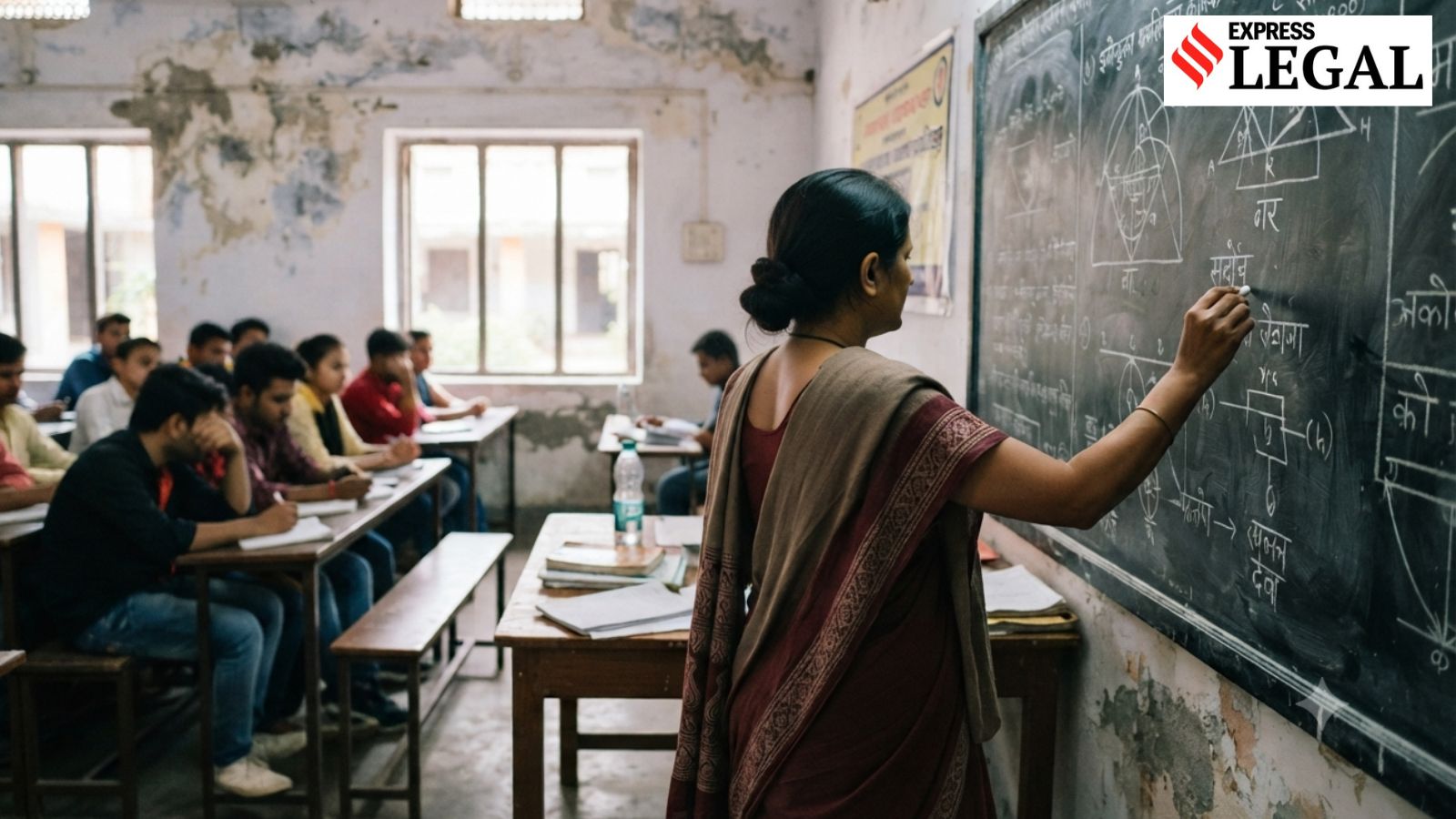
Justice Guru observed that the petitioner performed the same duties and responsibilities as regular lecturers, a fact not denied by the state. Therefore, describing her only as a guest lecturer could not be a ground to deny maternity salary.
The court further stated that a woman employee in an advanced stage of pregnancy cannot be compelled to undertake hard labour as it would be detrimental to her health and that of the foetus. This, the court said, is why the Maternity Benefit Act allows maternity leave for certain periods before and after delivery.
“I have gone through the different provisions of the Act, but I do not find anything contained in the Act which entitles only regular women employees to the benefit of maternity leave and not to those who are engaged on casual basis or on muster roll on daily wage basis or the employees engaged as guest,” Justice Guru said.
The court held that once maternity leave was granted, the authorities were legally obliged to release salary for that period. Disposing of the petition, the high court directed the authorities to decide the petitioner’s request in accordance with the rules and pass orders on her claim for unpaid maternity salary, preferably within three months.







