India-UK Trade Pact Begins: Exporters Get Zero Duty, Consumers Get Cheaper Imports
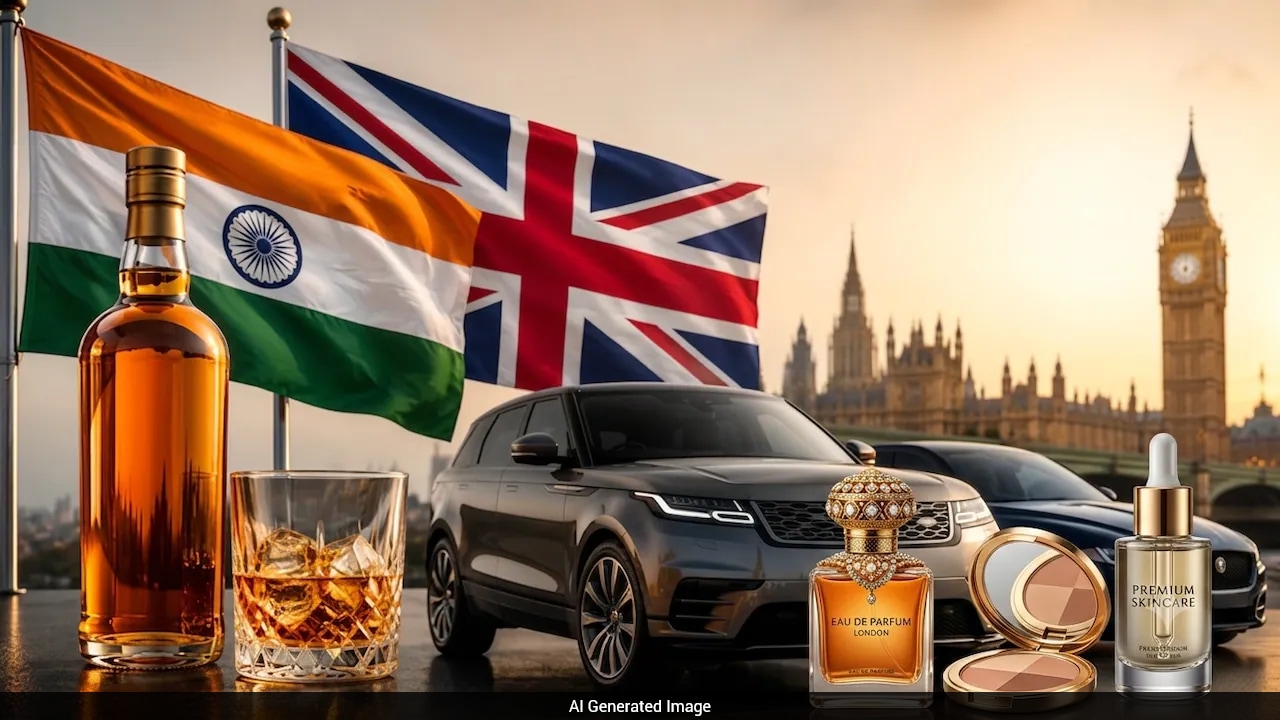
The India-UK Comprehensive Economic and Trade Agreement (CETA) came into force on Wednesday, marking a significant milestone in bilateral trade relations. The pact grants zero-duty access to nearly 99 per cent of Indian exports to the UK, covering most goods that India sells in the British market. For Indian consumers, tariffs on several British products, including Scotch whisky and premium cars, will be reduced in phases, potentially lowering prices over time.
Trade experts say the agreement is expected to deepen investment ties, create jobs, and boost India's manufacturing and services sectors. The UK is India's fifth-largest merchandise export destination, but accounts for only about 1 per cent of India's merchandise imports, suggesting room for a more balanced trade relationship.
Biggest Gains for Indian Exporters
Labour-intensive sectors that employ millions of Indians are expected to benefit the most. These include textiles and garments, leather and footwear, gems and jewellery, marine products, engineering goods, auto components, processed food, chemicals, pharmaceuticals, and agricultural products. The removal of tariffs will make Indian products more competitive against those from Europe, China, and other countries, potentially improving profit margins and generating new employment in manufacturing clusters.
Services Sector Boost
The agreement covers 137 service sub-sectors, making it one of India's most comprehensive services-focused trade pacts. Indian IT companies, consulting firms, engineers, architects, accountants, healthcare professionals, and education service providers are expected to gain easier market access and greater regulatory certainty in the UK.
A notable feature is the Double Contribution Convention (DCC), under which Indian professionals temporarily working in the UK for up to five years will no longer have to make social security contributions in both countries. This reduces costs for employees and employers, improving the competitiveness of Indian companies operating overseas.
What Gets Cheaper in India
Consumers may not see overnight price cuts, but several British products are expected to become more affordable as tariffs are reduced in phases. Among the biggest beneficiaries are Scotch whisky, gin, premium British cars, luxury motorcycles, cosmetics, chocolates, biscuits, medical devices, and select food products.
The reductions will not happen instantly across all products. For example, import duties on eligible British-made vehicles will fall gradually under a quota system over several years. Similarly, tariffs on Scotch whisky will decline in phases rather than overnight.
Kaushal Sampat, President of Pune-based financial institution Vayana, said the agreement marks a pivotal milestone in India's global trade journey. He noted that by lowering tariff barriers, improving market access, and simplifying cross-border trade, the pact is expected to unlock new opportunities for Indian exporters, particularly micro, small, and medium enterprises (MSMEs). He also emphasised the importance of ensuring timely access to working capital as trade volumes increase, to help businesses scale confidently and compete effectively in the UK market.







