Delhi-Rishikesh High-Speed Rail Corridor Gets Green Light: Travel Time to Halve
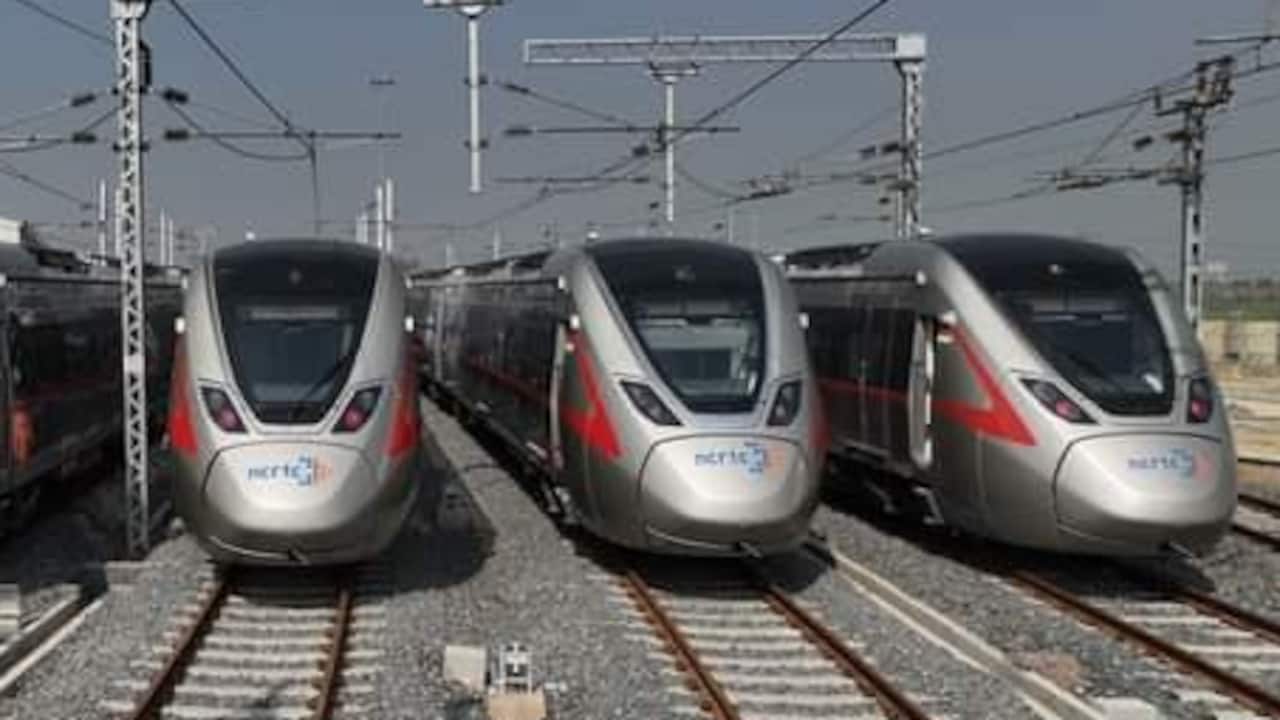
The government has given in-principle approval to extend the Delhi-Meerut Regional Rapid Transit System (RRTS) from Modipuram in Meerut to Haridwar and Rishikesh, a 150-km corridor that promises to transform regional connectivity. The project, still in the planning stage with a Detailed Project Report (DPR) survey underway, aims to create a seamless high-speed rail link between Delhi-NCR and the Ganga cities, potentially reducing travel time from five to six hours by road to about two-and-a-half to three hours.
The proposal gained momentum after Uttarakhand Chief Minister Pushkar Singh Dhami raised the issue with Prime Minister Narendra Modi and Union Minister Manohar Lal Khattar. Following these discussions, the Centre gave its nod, and the Uttar Pradesh and Uttarakhand governments, along with the National Capital Region Transport Corporation (NCRTC), agreed to jointly take the proposal forward. Officials are now conducting surveys for the DPR, which will finalize alignment, station locations, land requirements, and engineering details.
The corridor will begin from Modipuram, the northern end of the operational Delhi-Meerut Namo Bharat line, and pass through Daurala, Khatauli, Muzaffarnagar, Purkazi, Roorkee, and Haridwar before terminating near Laxman Jhula in Rishikesh. Around 72 km will lie in Uttar Pradesh and 78 km in Uttarakhand. Once connected, passengers from Haridwar and Rishikesh could travel directly to Ghaziabad, Anand Vihar, and Sarai Kale Khan, with future interchanges linking to Delhi-Panipat and Ghaziabad-Noida International Airport RRTS routes.
The travel time reduction could have significant economic impacts. Business travellers could complete same-day trips, pilgrims would have a faster and more predictable journey, and weekend tourism from Delhi-NCR may receive a major boost. The project also promises to reshape economies of western Uttar Pradesh and Uttarakhand, boost tourism, support industries, create new real estate hubs, and reduce pressure on National Highway 58.
While the government has not yet announced the estimated cost, experts expect it to run into tens of thousands of crores, given the 150-km length. For comparison, the 82-km Delhi-Ghaziabad-Meerut RRTS corridor cost around ₹30,274 crore, financed by the Centre, states, and multilateral lenders. Uttarakhand has already sought around ₹750 crore from the Centre for upgrading infrastructure. The DPR will determine the final cost and construction timeline.