Delhi EV Policy Signals Future Mandates for Four-Wheelers
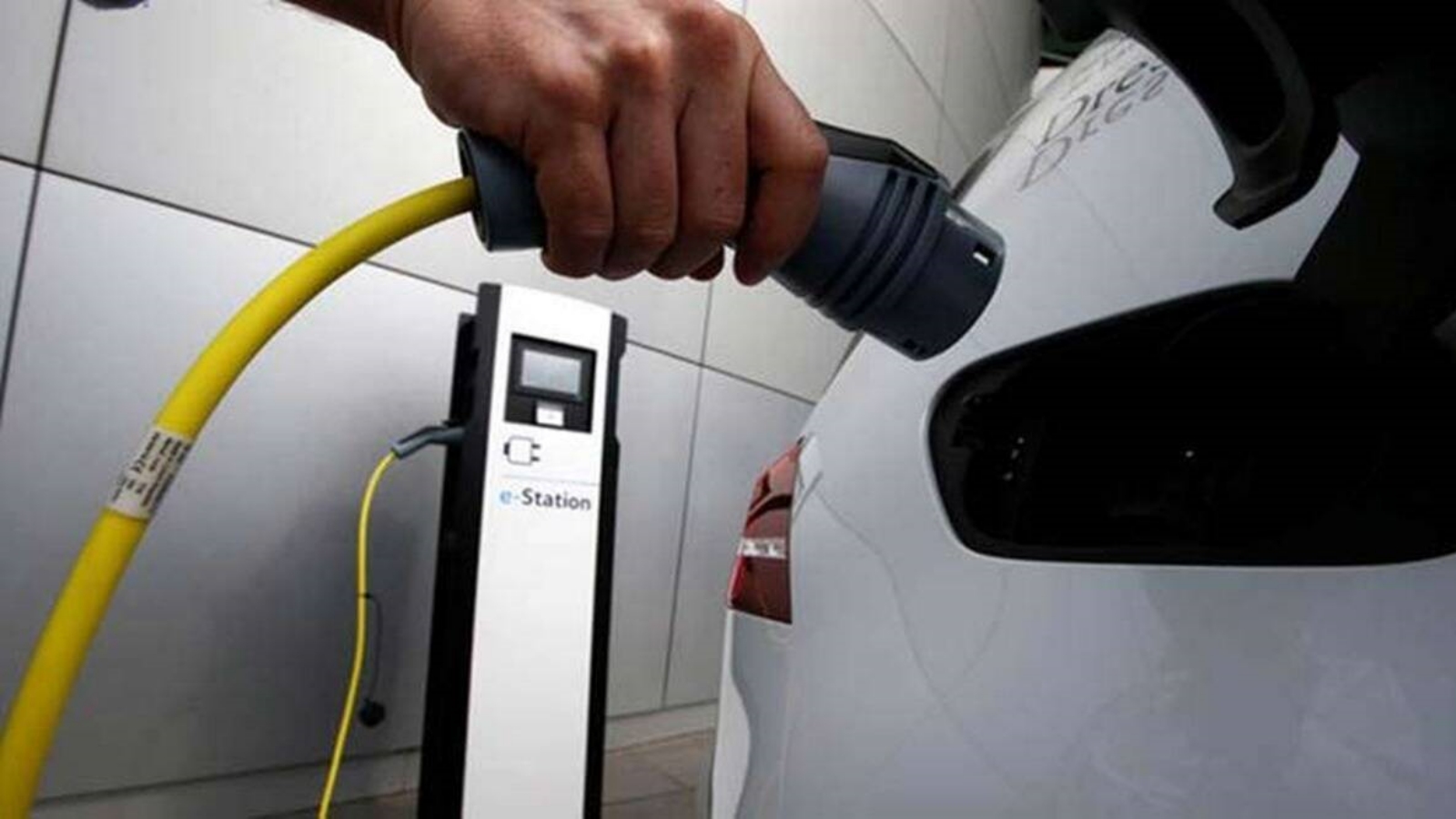
The Delhi government has announced its intention to introduce electrification mandates for four-wheelers in the future, marking a significant expansion of its electric vehicle (EV) policy. This commitment, absent from the draft EV Policy 2.0 released in April, has been incorporated into the final Delhi Electric Vehicles Policy 2026, which was notified on July 1.
According to the policy document, the government 'intends to bring out electrification mandates for four-wheelers in future as well as aim to make a framework for disincentivising polluting vehicles that use inefficient fuels.' This move positions Delhi as the first city in India to implement sweeping mandates that stop registration of new petrol and diesel two- and three-wheelers to curb pollution.
Currently, the only incentive for four-wheelers under the policy is a scrapping incentive: the first one lakh applicants who scrap an existing internal combustion engine (ICE) vehicle and purchase an electric car within six months will be eligible for an incentive. The policy aims to accelerate the transition to electric mobility and reduce air pollution in the national capital.
The Delhi EV Policy 2.0 represents a comprehensive approach to electrification, building on earlier efforts to promote clean transportation. By targeting two- and three-wheelers first, the government has established a precedent for future mandates. The inclusion of four-wheelers reflects a long-term vision for a fully electric vehicle fleet.
Environmental experts have welcomed the move, noting that transport is a major contributor to Delhi's poor air quality. However, they caution that the success of the policy will depend on adequate charging infrastructure, affordable EV options, and clear timelines for implementation.







