Chip packaging: The hidden bottleneck in the global AI race
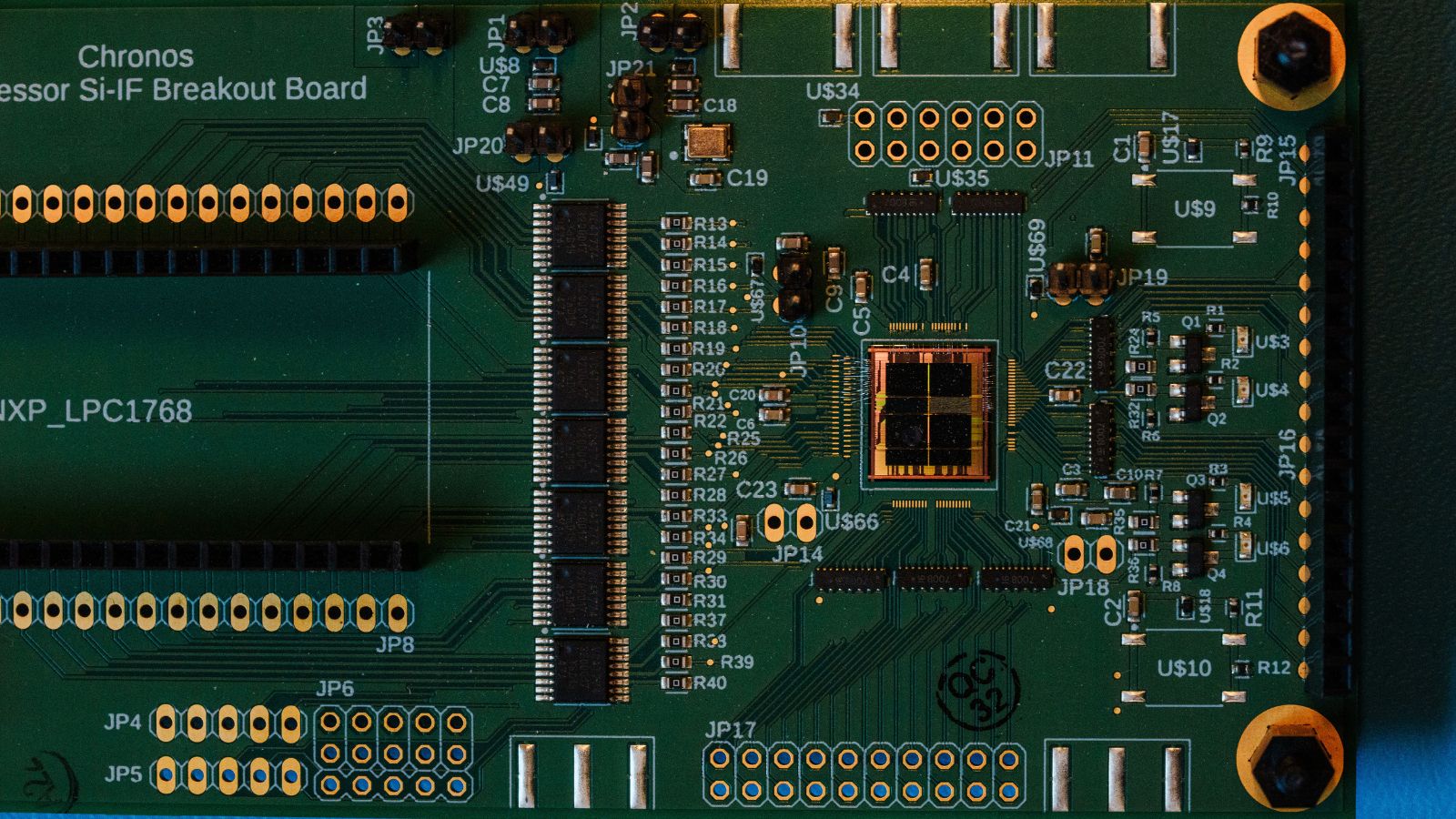
Advanced chip packaging, once a niche area of semiconductor technology, has emerged as a critical bottleneck in the global competition for artificial intelligence (AI) leadership. This technology involves bundling multiple chips into compact modules, a technique that has become essential as traditional methods of shrinking transistors reach their limits.
Subramanian Iyer, a 72-year-old electrical engineer and former IBM technologist now at the University of California, Los Angeles, has spent decades advancing chip packaging. However, he and other industry experts are concerned that US leadership in this field has shifted to Taiwan Semiconductor Manufacturing Co. (TSMC), which not only produces cutting-edge chips but also packages nearly all of them. TSMC's key suppliers and partners are primarily based in Taiwan, a region facing geopolitical tensions with China.
This packaging bottleneck has become a major topic in Silicon Valley as TSMC struggles to meet demand. Iyer developed plans for a packaging research and development centre with $1.1 billion in US government funding, but the project was effectively cancelled under the previous administration. 'The bottom line is they've thrown the baby out with the bathwater,' Iyer said. 'We've ended up in a place where we are even more dependent on TSMC.'
The situation highlights ongoing US reliance on Taiwan despite efforts by both the Biden and Trump administrations to boost domestic chip production. The Biden administration allocated over $50 billion under the CHIPS and Science Act of 2022 to revitalise domestic chip manufacturing. President Donald Trump, objecting to direct grants, has instead pursued deals involving equity stakes and tariffs.
Former Intel CEO Patrick Gelsinger emphasised the importance of packaging: 'After the making of chips, packaging is the most important thing. And our packaging supply chains may be even more precarious.' A Trump administration official disputed that packaging was not a priority, noting that nine packaging projects have received CHIPS Act funding and that the Commerce Department is evaluating research proposals in this area.
Some US companies are taking steps to address the bottleneck. Intel, a long-time leader in packaging, has attracted new customers and appointed a new executive to lead its advanced packaging division. Applied Materials is building a $5 billion research facility in Silicon Valley focused partly on packaging. Amkor Technology, a packaging specialist, is constructing its first US factory in Arizona and has a 10-year deal to handle some packaging for TSMC. Amkor, which received a $407 million grant from the Biden administration, has increased its planned investment to $7 billion after discussions with Trump officials and interest from Nvidia and Apple.
Kevin Engel, Amkor's CEO, noted strong customer demand for a US-based ecosystem. Historically, chip packaging was outsourced to Asian countries with lower labour costs. Today, the US accounts for only about 3% of global packaging, according to the Global Electronics Association.







