Oscar-nominated film celebrates India's tribal elephant guardians
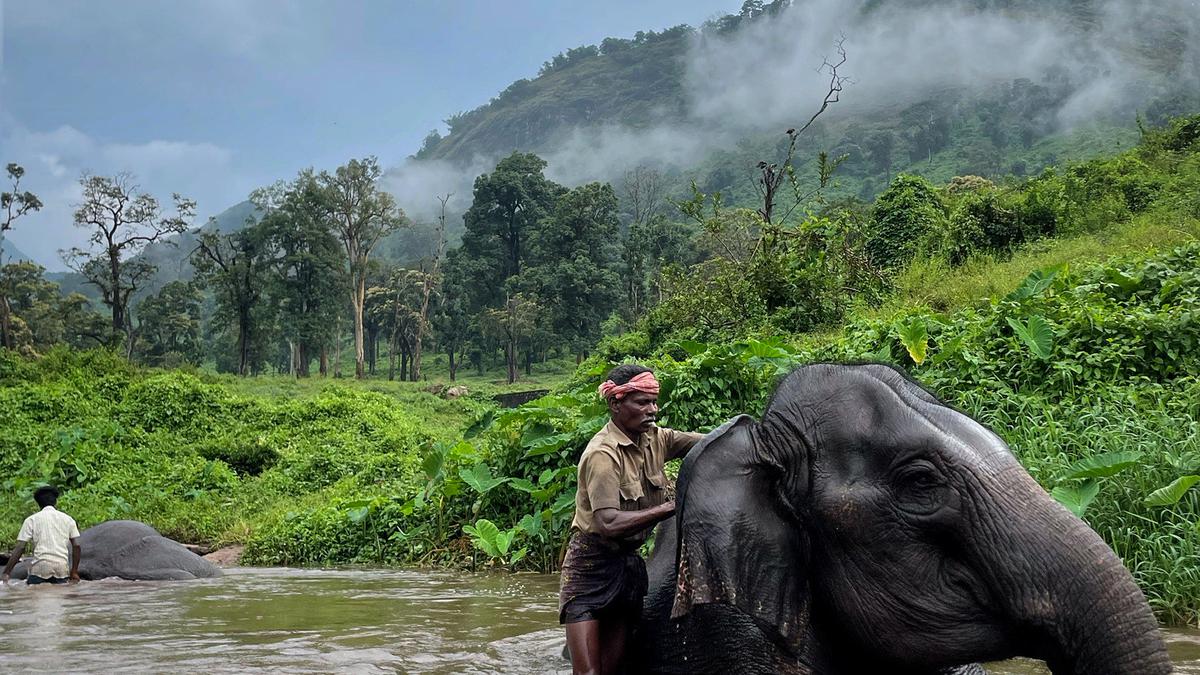
The Western Ghats of southern India, a biodiversity hotspot, has long been home to a unique tradition of humans and elephants coexisting. A documentary titled The Elephant Whisperers, directed by Kartiki Gonsalves, has brought this relationship to the global stage with its nomination in the Documentary Short Film category at the 95th Academy Awards. The film captures the lives of Bomman and Bellie, a tribal couple from Tamil Nadu, and their deep bond with Raghu, an orphaned elephant calf they raise at Theppakadu Elephant Camp in the Mudumalai Tiger Reserve.
The documentary not only showcases the affectionate bond between the caretakers and the elephant but also draws attention to the growing man-animal conflict in the elephant corridors of the Western Ghats. It highlights a region where indigenous tribes have been the silent stewards of wildlife for generations, often with little recognition.
Another film, Malasar, a six-minute conservation short narrated by actor Nasser, tells the story of the Malasar tribe of the Anamalai Hills. It focuses on 51-year-old Mani, who has cared for Kaleem, a 53-year-old elephant, and calls him his elder brother. Mani, in the film, reflects on the ancestral bond: “There’s no path we have not trodden in this forest. My ancestors and their elephants have roamed the forests and created the path for us. We blindly follow.” The film underscores the need to protect the tribe’s identity and traditional knowledge.
Supriya Sahu, Additional Chief Secretary of the Environment, Climate Change and Forests Department of Tamil Nadu, says such films are essential in a world where tolerance towards wildlife is declining. “They put caretakers as beacons of hope and that’s why such films are important. These are true life stories that are inspirational,” she says. According to her, the films reveal how elephants live with caretakers like their own children, demonstrating the beautiful bonds that can exist between humans and wild beings.
Tamil Nadu has been a pioneer in the rehabilitation and maintenance of captive elephants. Over 60 elephants are cared for by mahouts (trainers) and cavadies (assistants) at Theppakadu and Kozhikamuthy, in the Anamalai Tiger Reserve. Many of these caretakers come from local tribal communities such as the Malasars and Irulas. The maintenance of camps and the training of elephants follow the traditional wisdom passed down through generations.
The state government has recently taken steps to recognise this expertise. For the first time, 13 mahouts were sent for training at the Thai Elephant Conservation Centre in Thailand. “It’s a first and we plan to send more in batches to Sri Lanka or similar places. It’s time to recognise their service and build their capacities. The caretakers are the real heroes that the world needs to know and appreciate the sacrifices they make,” adds Sahu.
I Anwardeen, Principal Chief Conservator of Forests, notes that tribals have gained traditional wisdom of elephant behaviour over time—a mix of science and compassion. This knowledge is vital in caring for orphaned calves and handling conflict elephants. Malasars, for instance, use as many as 60 commands to which elephants respond, reflecting a deep and intricate bond.
The captive elephants also play a practical role in mitigating man-animal conflict. Kaleem, a kumki (trained elephant), has helped capture more than 25 wild elephants across Tamil Nadu, Andhra Pradesh, and Kerala over the past two decades. Along with other kumkis, they assist in patrolling and other forest management operations.
These films and the work of the mahouts offer a glimmer of hope in a world facing environmental crises. They remind us that with care and respect, humans and wildlife can share the earth—and that the guardians of this delicate balance deserve our recognition and support.







