China Removes Six Senior Military Officers from Parliament, Upgrades Bangladesh Ties
This week, China removed six senior officers of the People's Liberation Army from the National People's Congress, the country's legislature. The removals are part of a broader anti-corruption campaign that has been ongoing for several years, according to official statements.
The announcement came on Friday, June 26, from official state media. Among those removed was General Xu Xueqiang of the Central Military Commission's Equipment Development Department. The commission is the top military decision-making body and has seen many of its members investigated for corruption in recent years.
In total, 13 members of the National People's Congress have been removed, as reported by the South China Morning Post. The motives behind these removals remain unclear, and the impact on China's military posture, especially regarding Taiwan, is subject to analysis.
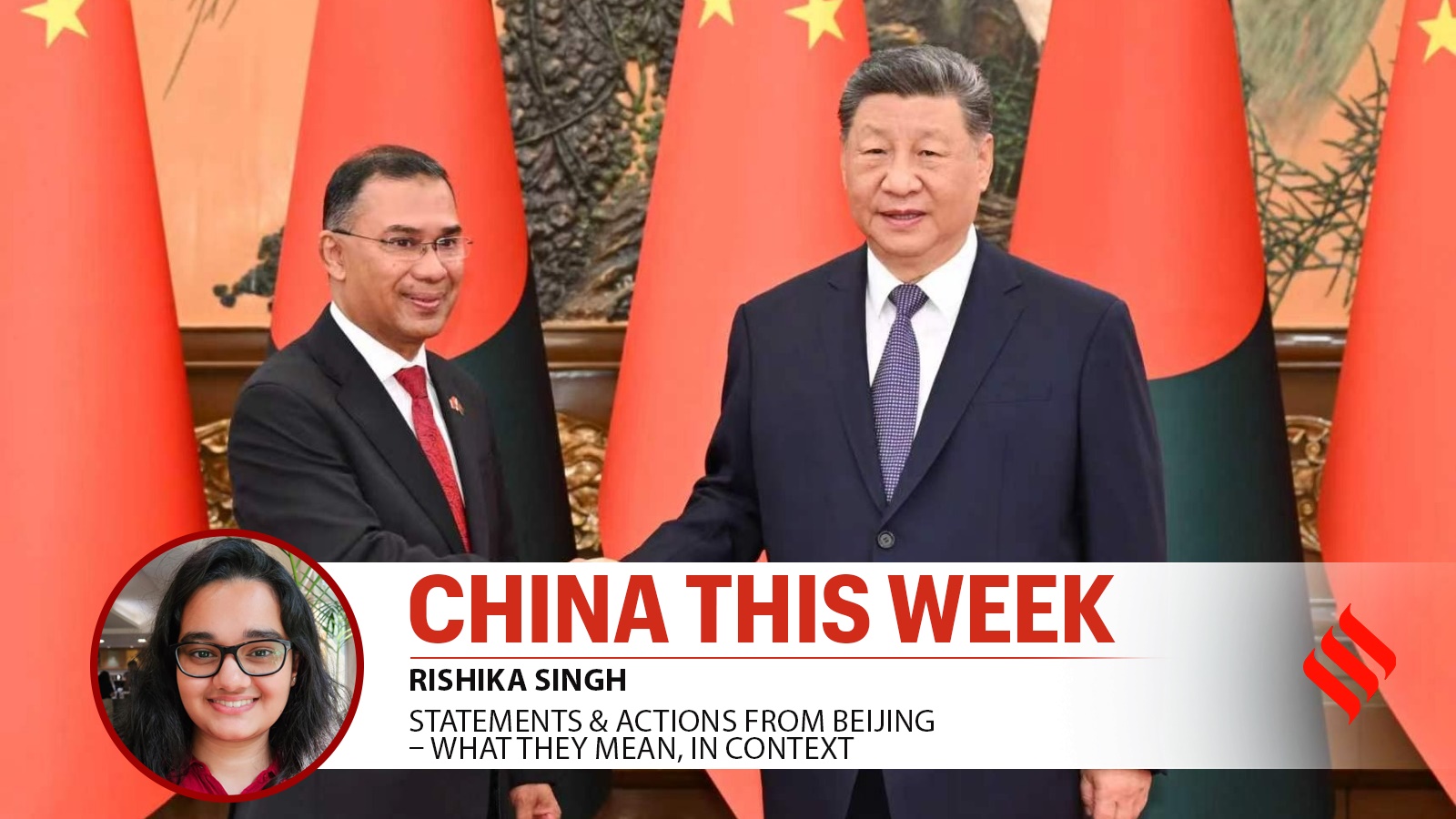
Separately, Chinese President Xi Jinping met Bangladeshi Prime Minister Tarique Rahman in Beijing on Friday. Rahman's visit to China was part of his first official foreign trip since his election this year, which also included Malaysia. The two leaders announced the decision to 'build a China-Bangladesh community with a shared future in the new era,' elevating bilateral relations.
Xi expressed support for Bangladesh's new government and readiness to collaborate on the Belt and Road Initiative, green development, and artificial intelligence. Rahman described China as a 'valued and trusted partner.' Several memorandums of understanding were signed, including cooperation on river management, particularly the Teesta River.
The Teesta originates in India's Sikkim and flows into Bangladesh. Water-sharing of the Teesta has been a longstanding issue between India and Bangladesh. In 2011, a potential agreement collapsed when West Bengal's chief minister withdrew support. China's involvement in the river management may raise concerns for India, especially as India and Bangladesh have been working to mend ties under the new government.
Finally, the US-based artificial intelligence company Anthropic has accused Chinese e-commerce giant Alibaba of using its chatbot Claude to train its own AI model through a method called 'distillation attack.' This allegation highlights ongoing tensions in the global AI industry over intellectual property and competitive practices.







