Air India Phuket-Delhi Flight: Hydraulic Faults, Pilot Drug Test in Focus
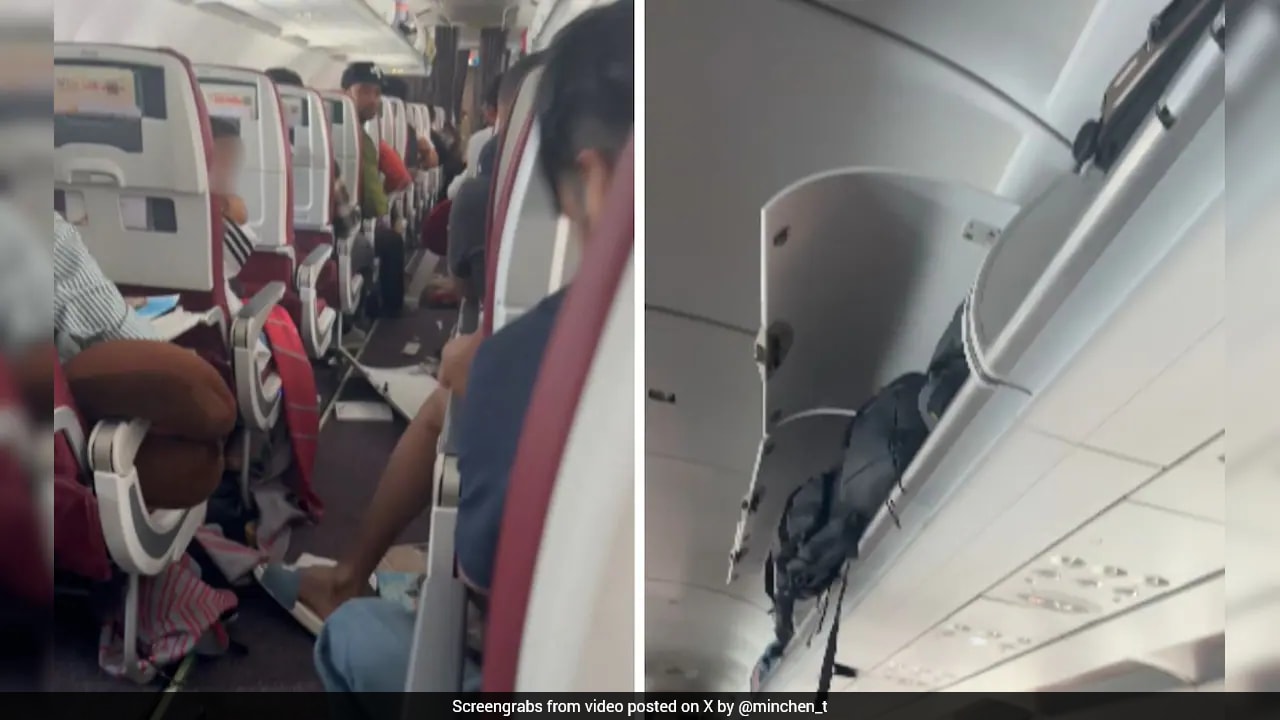
New Delhi: A detailed maintenance report from Air India flight AI2379, which operated from Phuket to Delhi on August 4, reveals that the aircraft experienced a series of hydraulic system warnings before and during a sudden loss of altitude that injured at least 17 people. The report, printed in the cockpit after the flight landed at 11:07 am IST, shows low pressure alerts across all three independent hydraulic systems at 9:32 am, along with low fluid levels in two reservoirs.
Hydraulic systems are essential for moving a plane's control surfaces, landing gear, and brakes. Modern aircraft like the Airbus A320 NEO are designed with redundancy, so one system can fail without compromising safety. However, the simultaneous loss of pressure in all three systems is a serious event that would normally prompt immediate attention from maintenance and safety teams.
The airline initially issued a statement two hours after landing, attributing the incident to "brief in-flight turbulence-related event during cruise, resulting in a momentary change in altitude." This statement said that no serious injuries occurred and that some passengers and crew were taken to a medical facility for precautionary checks. Five hours later, the airline released an updated statement that removed the word "turbulence" but still avoided any mention of the technical warnings recorded in the maintenance report.
The updated statement confirmed that the aircraft experienced a "sudden loss of altitude during cruise" and that the flight continued normally afterward. It said 13 passengers and four crew members sustained injuries and were hospitalised for evaluation. The statement listed 137 passengers and eight crew members on board.
Besides the hydraulic warnings, the cockpit report also shows that the autopilot disengaged at 9:32 am, with faults flagged in the left and right elevator controls, which help the aircraft pitch up and down. Emergency exit door warnings appeared at 9:33 am and 9:35 am. At 10:16 am, the engine's anti-ice system reported a valve pressure fault, and the autopilot disconnected again at 10:52 am.
Aviation experts note that warnings on such maintenance logs do not necessarily indicate total system failure. Aircraft are built with multiple backup layers, and pilots are trained to handle such scenarios. However, the clustering of these alerts, particularly the loss of all three hydraulic systems, is an event that requires thorough investigation by regulatory and safety bodies.
Separately, sources familiar with the matter have said that the pilot in command tested positive for psychoactive substances during mandatory post-flight screening in Delhi. A second test conducted later also returned positive, reportedly confirming the presence of cannabis. The pilot, according to an internal flight safety report, said he had been experiencing sleep difficulty due to personal circumstances and had been prescribed medication by his family doctor. In a flight safety statement, the pilot disclosed this medication use for completeness.
The airline's public statements have not addressed the technical warnings or the pilot's test results. The incident is currently under investigation, and the Directorate General of Civil Aviation is likely to submit a detailed report.







