Repeat Jellyfish Invasion Halts Reactors at France's Gravelines Nuclear Station
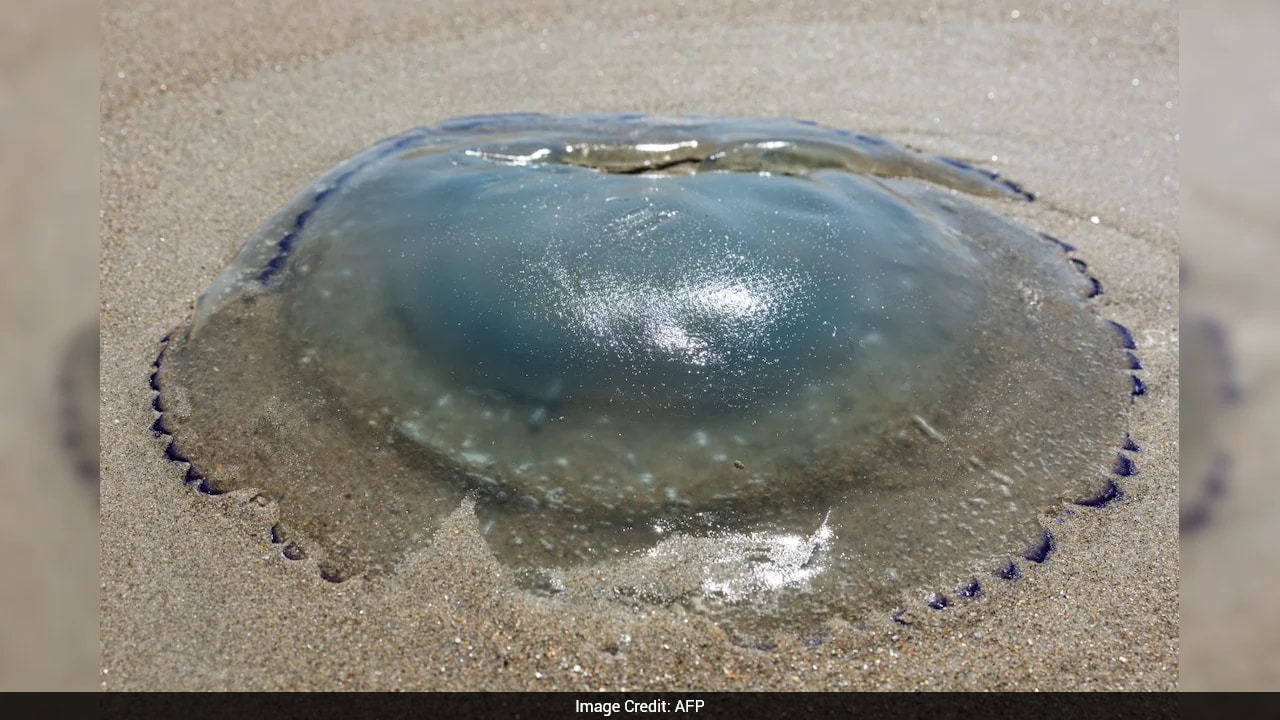
Gravelines, the largest nuclear power station in Western Europe, was forced to shut down multiple reactors on Tuesday after a swarm of jellyfish clogged the cooling water intake pumps. The incident, which occurred on August 11, comes exactly one year after a similar jellyfish influx disrupted operations at the facility for two days.
Operator EDF said in a statement that only one of the six 900-megawatt reactors was running at full capacity. Three reactors were taken completely offline, a fourth had its output reduced by half, and another was already offline for scheduled maintenance.
“This situation has no impact on the safety of the facilities, the safety of our personnel, or the environment,” EDF said. “On-site teams are fully mobilised to ensure the safety of the facilities and to reconnect the reactors to the national power grid.”
To clear the blockage, fishing vessels have been deployed for round-the-clock “preventive fishing operations.” Three boats are patrolling the coast, catching jellyfish in trawlers and releasing them offshore. Pumping stations and related equipment are also being cleaned to allow operations to restart.
The exact species of jellyfish involved has not yet been identified, according to the latest update.
This is not the first disruption at French nuclear plants this year. EDF had to shut down several reactors in June and July due to extreme heat and drought conditions. Prior to this week's closure, France had already recorded a 15.6 per cent shortfall in nuclear power production, as reported by AFP.
Jellyfish swarms have caused similar problems at nuclear plants in other countries. In 2013, a Swedish plant shut down for three days, and in 1999, a Japanese plant experienced a major output drop.
Experts point to overfishing, plastic pollution, and warming seas linked to climate change as factors that have created favourable conditions for jellyfish populations to thrive and reproduce.







