China says border stable, declines to confirm fresh troop activity near Arunachal
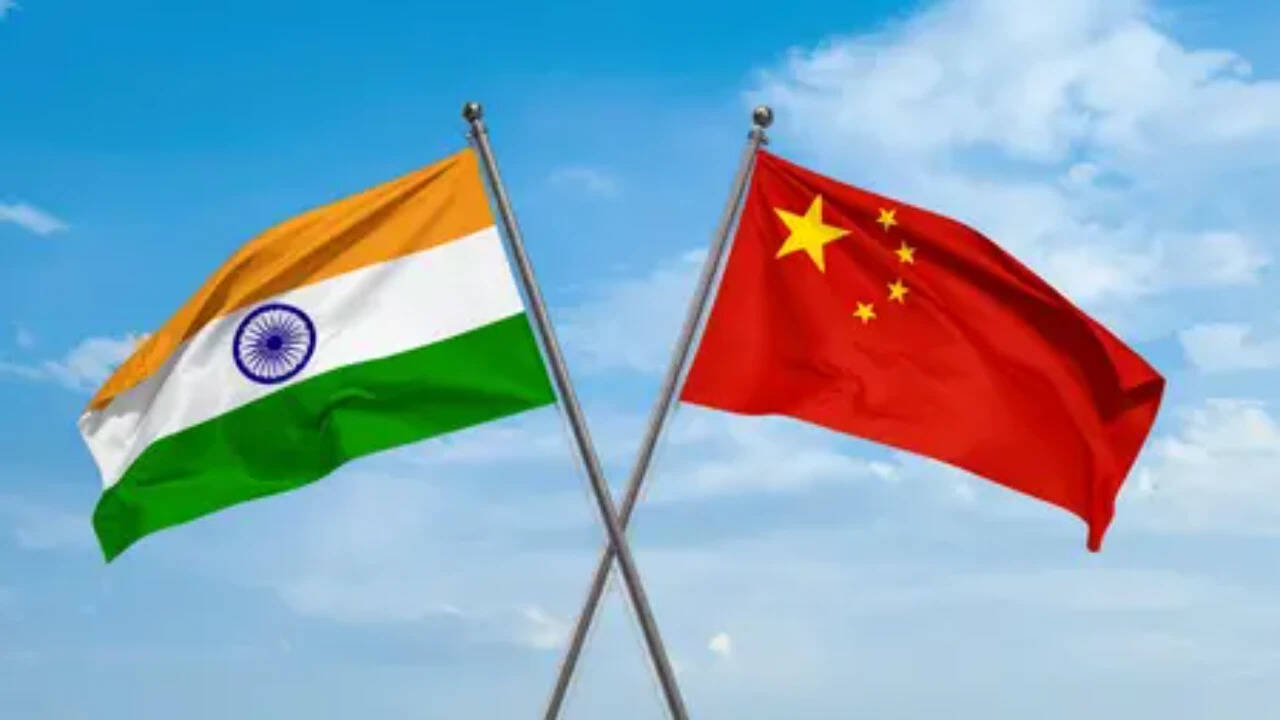
China said on Wednesday that the situation along the India-China border was "generally stable at the moment", while declining to confirm reports of increased Chinese military activity in areas of Arunachal Pradesh. The response came at a regular press briefing in Beijing, where foreign ministry spokesperson Guo Jiakun was asked about videos circulating on Indian social media that allegedly showed heightened Chinese military presence along the border.
Guo referred to the 36th meeting of the Working Mechanism for Consultation and Coordination on Border Affairs, held the previous week. He said both sides had agreed to maintain communication through diplomatic and military channels and work together to preserve peace and tranquillity along the border. His comments avoided direct engagement with the specific reports of troop build-up in Arunachal Pradesh's Upper Subansiri region.
The statement followed India's reiteration that its border with China remained a matter of serious concern. New Delhi has consistently maintained that preserving peace along the Line of Actual Control is essential for the broader bilateral relationship. This position was emphasised a day before the Chinese briefing, underlining the fragile nature of the current stability.
The reports of heightened Chinese military activity in Upper Subansiri have generated attention, though neither government has officially confirmed them. Beijing claims Arunachal Pradesh as part of what it calls "South Tibet", a claim India firmly rejects. India regards the state as an inalienable part of its territory, a stance that has remained unchanged over decades.
In a separate development, India had pushed back against China's objections to New Delhi formally identifying 27 locations and geographical features in Arunachal Pradesh by their standard Indian names. The Ministry of External Affairs said the state was an "inalienable and integral" part of India and that nothing could change that reality. The naming exercise is part of India's effort to standardise its own geographical references in the region.
The latest exchanges occur as both countries continue efforts to stabilise ties that deteriorated sharply after the 2020 Galwan Valley clashes, which resulted in casualties on both sides and a prolonged military standoff. Since then, multiple rounds of talks have aimed to resolve friction points along the border. In October 2024, India and China reached an agreement on disengagement at the remaining friction points of Depsang and Demchok, easing the immediate tension.
Shortly after that agreement, Prime Minister Narendra Modi and Chinese President Xi Jinping met in Kazan on the sidelines of an international summit. Their meeting was seen as an attempt to rebuild trust and set the relationship on a more stable footing. Further diplomatic and military consultations have been held at various levels.
While Beijing's statement projects calm, the unconfirmed reports of military activity and India's public concerns indicate that the border situation remains sensitive. Both sides have emphasised their commitment to dialogue and agreed to stay in touch through established channels. The coming months may show whether the recent stability can be sustained or new tensions emerge.







