Builders push for larger homes under Delhi's transit-oriented housing policy
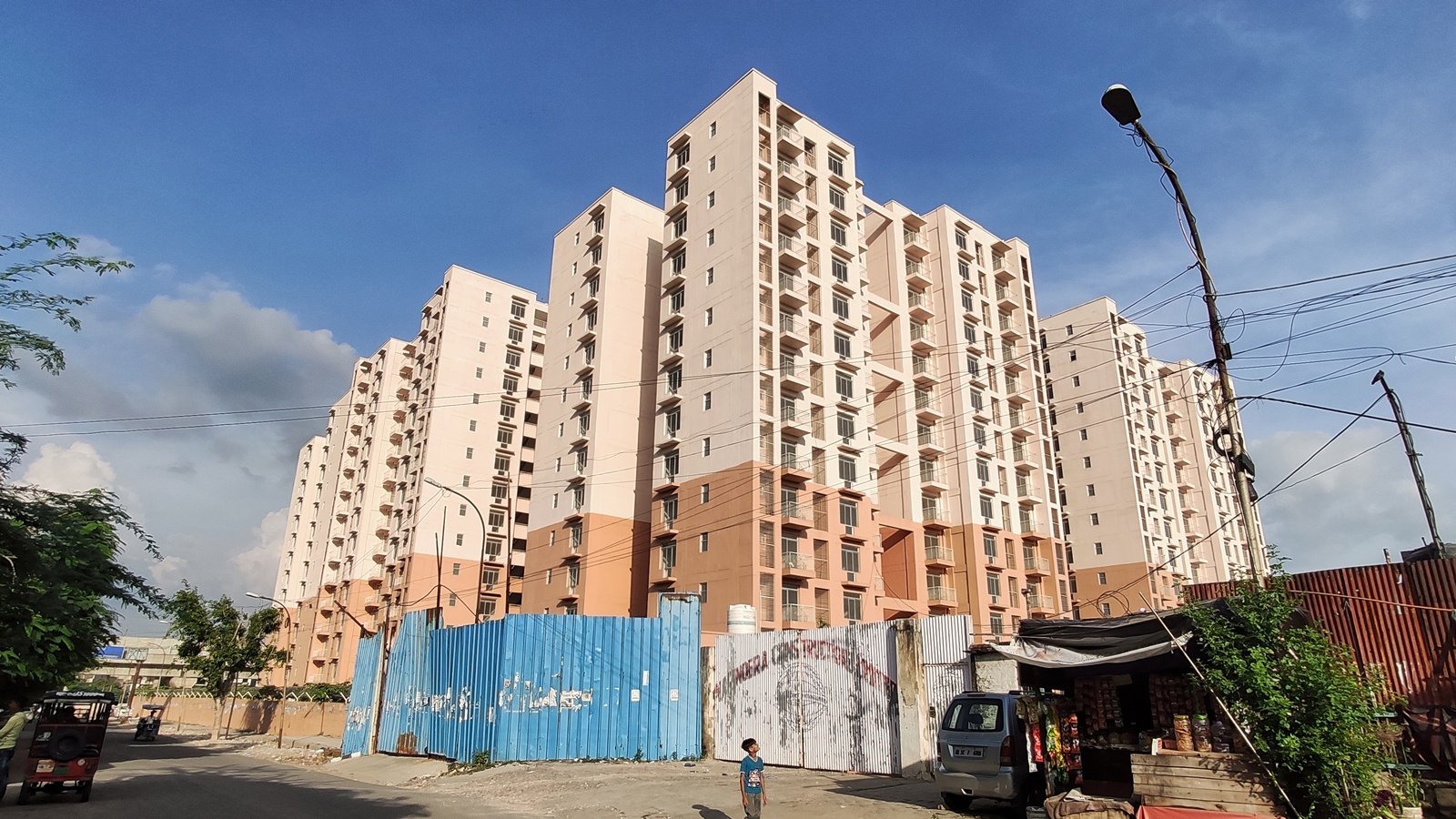
Private developers have urged the Union government to relax affordability norms under Delhi's new transit-oriented development (TOD) policy, including allowing the construction of larger houses and providing greater flexibility in planning commercial and neighbourhood amenities, according to a letter from the industry body NAREDCO's Delhi chapter to the Ministry of Housing and Urban Affairs (MoHUA).
TOD is an urban development strategy that aims to maximise housing, shops, offices and recreational spaces near public transport facilities. In April, the Union government notified a new TOD policy for Delhi after previous attempts failed to attract interest from private developers. The policy opened up around 207 sq km of land near Metro corridors for development.
A key objective of the policy is to make smaller, more affordable houses available in Delhi. Developers who want to avail of the higher floor area ratio (FAR) offered under the policy must use at least 65% of the total permissible FAR to build residential units of less than 100 sq m of built-up area. However, NAREDCO's May letter argues that this 100 sq m benchmark should be applied on carpet area rather than built-up area.
“It is respectfully submitted that the benchmark should continue to be interpreted and applied on RERA carpet area basis so that there is clarity, standardisation and consistency for all stakeholders. Also, as per the new RERA guidelines, carpet area is the only unit of measurement for apartments allowed,” the letter said. Carpet area refers to the usable floor space within an apartment, while built-up area includes carpet area plus wall thicknesses and typically balconies or terraces. Built-up area is usually 30% larger than carpet area.
The industry body also argued that builders should be allowed to construct 2.5 BHK and 3 BHK houses within 100 sq m. “In Delhi’s context, an affordable family home should ideally permit planning for a practical 2.5 BHK or 3 BHK configuration within the 100 sq m RERA carpet area threshold,” the letter said, adding that this would better align the policy with housing needs of Delhi’s middle-income families.
Delhi-NCR suffers from a lack of affordable and mid-segment housing. Houses costing below Rs 80 lakh made up 72% of housing inventory in 2019 but fell to 15% by 2024, according to data from real estate consultancy Anarock.
The industry body also sought more flexibility in planning commercial and other neighbourhood amenities. While the policy mandates that at least 10% of permissible FAR be earmarked for neighbourhood commercial use, facilities and social amenities, NAREDCO asked that this be changed to “up to 10%” – instead of a mandatory minimum – so projects can better respond to site conditions, market demand and planning requirements.
Moreover, as per the policy, the remaining 25% of permissible FAR is to be used for larger houses over 100 sq m carpet area, office space, guest houses or studio apartments. The letter suggested this should also be read as “up to 25%”, thereby allowing planning flexibility in the overall product mix.
Queries sent to the Delhi Development Authority (DDA) and MoHUA remained unanswered. Meanwhile, the DDA opened the application process for builders under the TOD policy through its Online Building Permit System, marking the operational rollout. Developers must first seek approval for TOD plots from the TOD Committee via the portal before submitting building plans for sanction. The DDA has also launched a dedicated microsite with policy details and guidelines.







