Bombay High Court Allows Felling of 208 Mangroves for Vadhavan Port Link Road, Cites Public Utility
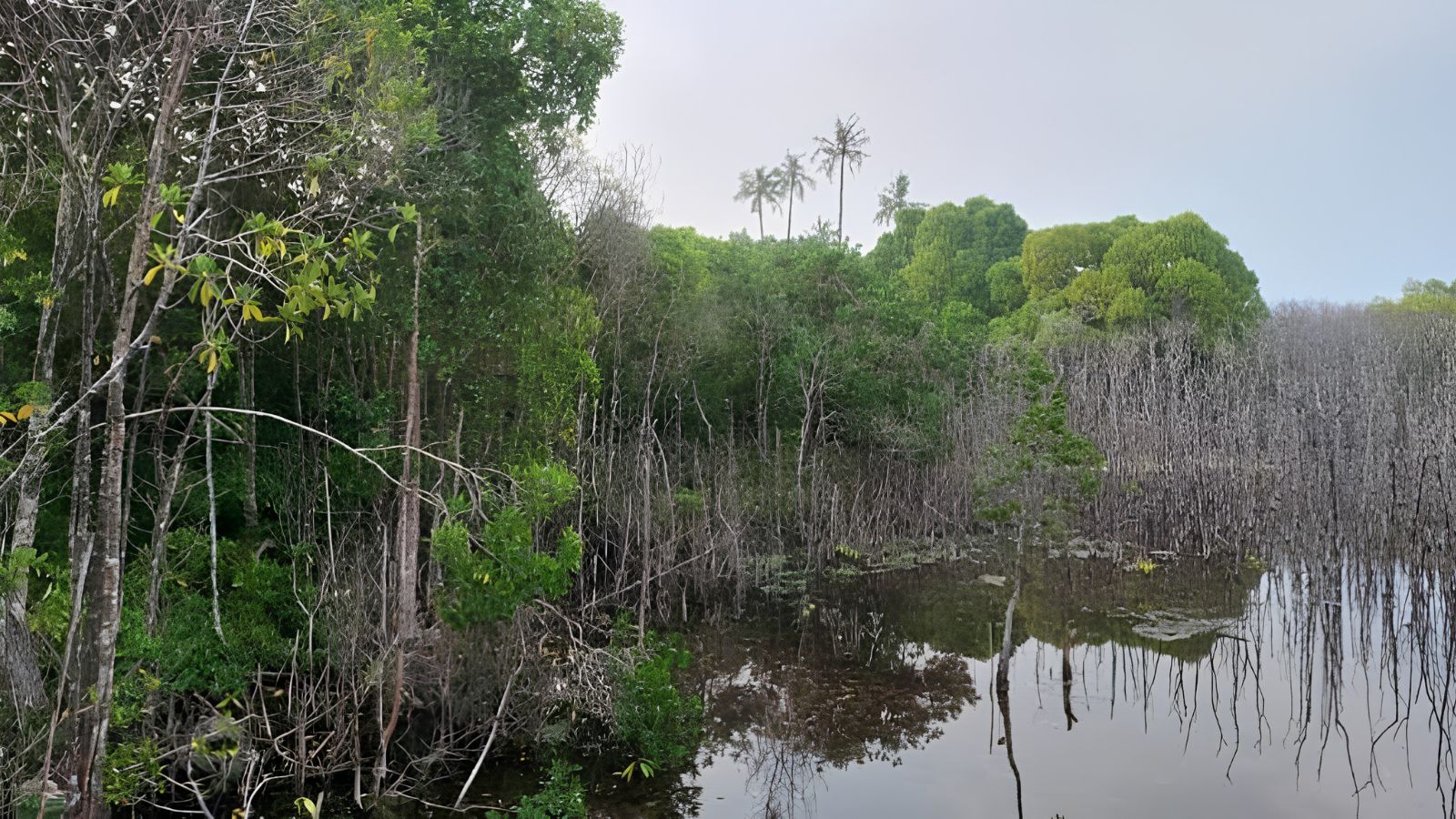
The Bombay High Court on Tuesday permitted the National Highways Authority of India (NHAI) to fell 208 mangrove trees over 9.24 hectares for the construction of an eight-lane access-controlled highway connecting the proposed Vadhavan greenfield port to NH-48. The court ruled that the project, estimated to cost Rs 76,220 crore, is of 'public importance and utility' and will help India enter the list of top 10 container ports globally.
The division bench of Justices Bharati H Dangre and Manjusha A Deshpande granted the permission on a plea by NHAI, which sought to divert the mangrove forest area for the highway. The court noted that the project proponent had complied with all conditions laid down in environmental, forest, and coastal zone clearances, including compensatory afforestation.
Under the compensatory plan, NHAI has undertaken to plant 1.33 lakh mangroves on 30 hectares of land and has deposited over Rs 4.83 crore towards compensatory afforestation, apart from other payments required under forest clearance conditions. The court observed that these measures fulfilled the requirements set by the Maharashtra government's 2018 ruling that imposed a total freeze on mangrove destruction unless approved by the High Court for public development projects.
The Vadhavan Port is being developed through a joint venture between the Jawaharlal Nehru Port Authority (JNPA) and the Maharashtra Maritime Board (MMB). The Advocate General, representing NHAI, argued that the mega project would boost Maharashtra's growth, national wealth, and local employment. The court accepted these submissions, stating that the project, being of public utility, would provide connectivity to the port and open opportunities for India.
This development comes after the Bombay High Court in April 2024 dismissed pleas challenging the approval by the Dahanu Taluka Environment Protection Authority (DTEPA) for the port. That verdict is under challenge before the Supreme Court, which in February 2025 refused interim relief but made further acquisition proceedings subject to court orders. The High Court bench on Tuesday rejected the argument that the Supreme Court order amounted to a stay on the port's development, allowing NHAI's plea to proceed.
The ruling underscores the ongoing tension between environmental conservation and infrastructure development in India. Environmental activists have expressed concern over the loss of mangroves, which are crucial for coastal protection and biodiversity. However, the court has balanced these concerns by requiring compensatory afforestation and noting the project's national importance.