Belagavi Man Arrested for Allegedly Murdering Wife with Poisoned Drink
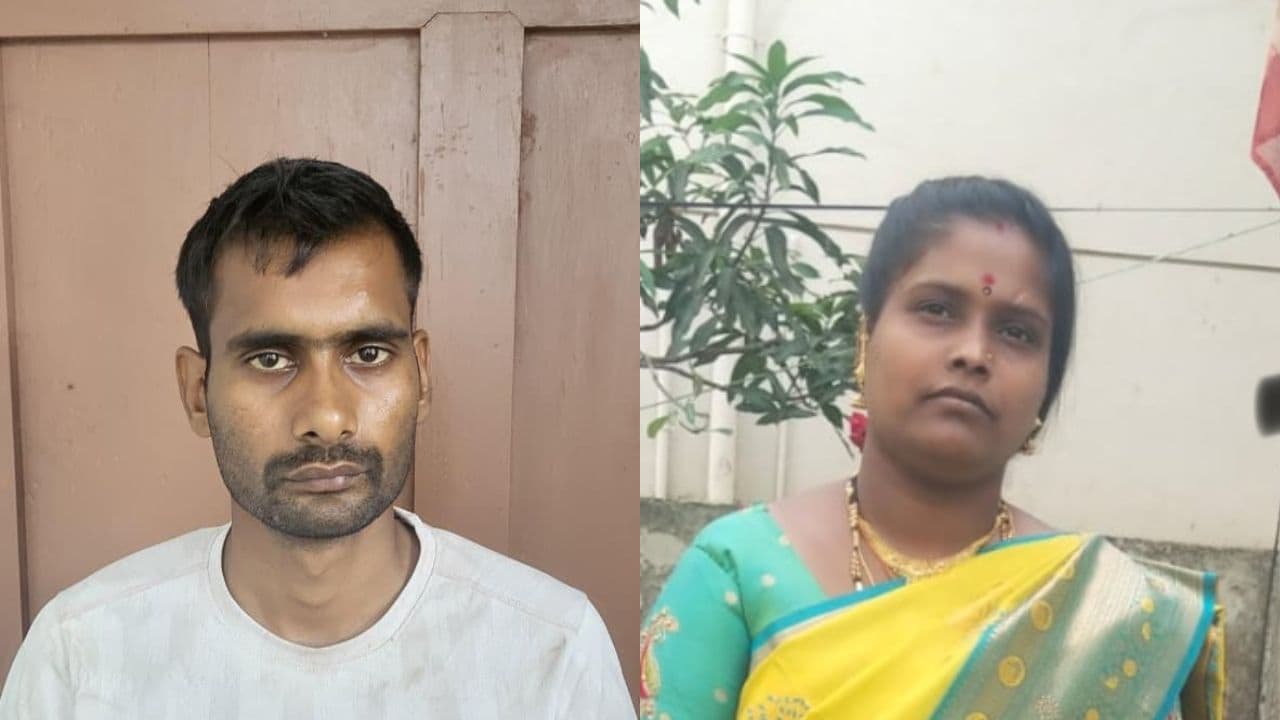
A 32-year-old man from Shindikurabet village in Belagavi district, Karnataka, has been arrested on charges of murdering his wife, Sakkubai Patayat, according to police officials. The accused, Santosh Patayat, allegedly administered a soft drink laced with rat poison and powdered bangle pieces to his wife, and subsequently strangled her when she fell unconscious.
The incident came to light on [date not specified] when Santosh himself alerted the police control room, claiming that his wife had died in a road accident. However, suspicious circumstances prompted a post-mortem examination at the Belagavi Institute of Medical Sciences (BIMS), which revealed that the death was a homicide and not accidental.
Based on the preliminary post-mortem report, police interrogated Santosh, who eventually confessed to the crime. He told investigators that he had been involved in an extramarital relationship with a widow from his village for the past four years and wanted to spend the rest of his life with her. Sakkubai and Santosh had been married for nine years and resided in Shindikurabet, while Sakkubai originally hailed from Kallur village in Dharwad taluk.
According to the police account, the couple had visited the Chamundeshwari Temple in Marakumbi village, Bailhongal taluk, on the pretext of a religious observance during the Adhika Masa. While returning, Santosh allegedly mixed the poisonous substances into a soft drink and gave it to Sakkubai, telling her it was temple prasadam (blessed offering). After she began losing consciousness, he strangled her by the roadside. In an attempt to mislead investigators, he then threw a motorcycle onto her body to simulate an accident and stayed near the spot for several hours before calling the police.
The Belagavi police have registered a case of murder and arrested Santosh Patayat. He has been remanded to judicial custody at Hindalga Jail. Investigators are also looking into whether the widow he was reportedly involved with played any role in the murder. “We are examining all angles, including the possible involvement of the other woman. The confession of the accused is a major lead, but a detailed investigation is necessary to establish the full facts,” a police official stated.
The case has drawn attention to the vulnerabilities in rural familial relationships and the extreme measures sometimes resorted to in the context of extramarital affairs. Legal experts note that a confession alone may not be sufficient for conviction, and corroborative evidence, including forensic reports and witness statements, will be crucial. The post-mortem findings, which confirmed poisoning as the cause of death, are likely to form a key part of the prosecution’s case.
Further investigation is continuing. The police have not disclosed the identity of the widow or released any details about her possible involvement, pending further inquiry. The community in Shindikurabet has been left in shock, with neighbours describing the couple as seemingly ordinary. The incident underscores the need for robust support systems and legal awareness to prevent such crimes.