Agriphotovoltaics: A Dual Solution to India's Energy Dependence and Farm Income Woes
The ongoing crisis in West Asia has highlighted a critical vulnerability in India's economic growth: a heavy reliance on imported fossil fuels. From power generation to transport and fertiliser production, India's energy architecture remains deeply import-dependent. For a rapidly growing economy, this is not just a macroeconomic concern but a strategic risk.
Simultaneously, climate change is exacerbating challenges for the agricultural sector. Forecasts of a strong El Niño in 2026 raise concerns for farm incomes. India's challenge is twofold: securing energy and building income resilience for its farmers, who constitute 43% of the workforce. A proposed solution is to transform farmers from food producers (annadata) into energy producers (urjadata) through agriphotovoltaics (Agri-PV).
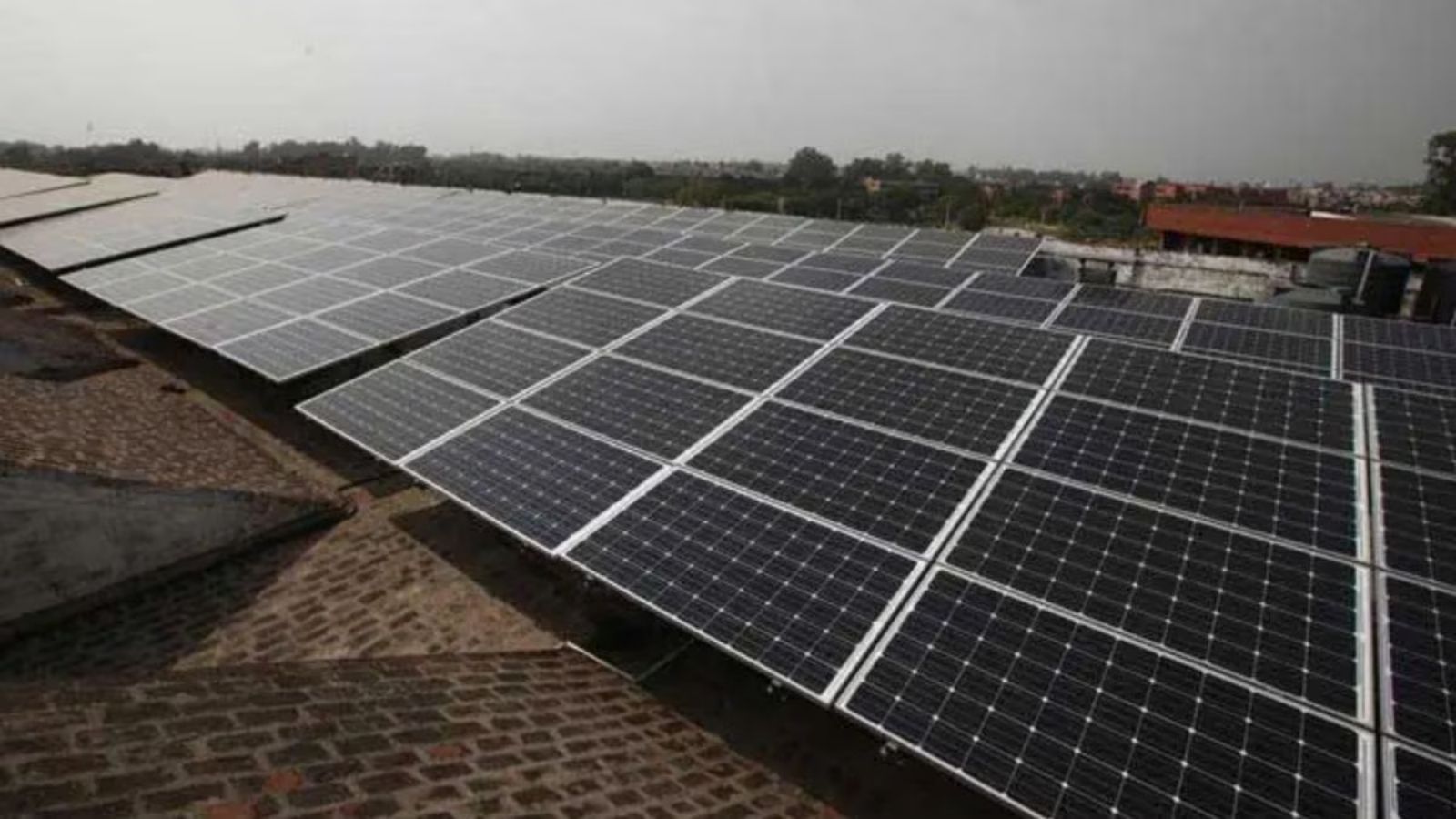
As of March 2026, India's renewable energy capacity stood at about 274 GW, with solar alone crossing 150 GW. However, the current model—dominated by large solar parks and schemes like PM Surya Ghar and PM-KUSUM (focused on solar pumps)—may not be sufficient for agricultural transformation. Agri-PV integrates solar power generation with crop cultivation on the same land. Solar panels are mounted at a height of about 3.5 metres, allowing farming underneath while generating electricity for sale to distribution companies (discoms). This dual use of land creates two income streams for farmers.
Unlike agricultural income, which is vulnerable to weather, pests, and market fluctuations, income from solar power is stable. It acts as a 'third crop' providing reliable earnings when conventional crops fail. A pilot project in Rajasthan, supported by the Indian Council for Research on International Economic Relations (ICRIER) and Kotak Mahindra Bank's CSR initiative, illustrates the potential. A 600 KW solar plant was set up with a loan of Rs 1.4 crore from the State Bank of India and a farmer contribution of Rs 60 lakh. The project increased the farmer's income from about Rs 40,000 per acre from wheat and bajra to nearly Rs 4 lakh per acre through energy sales and shade-tolerant horticulture—a tenfold increase.
Agri-PV also addresses a long-standing issue in India's power sector. Agriculture consumes nearly 2,60,000 GWh of electricity annually but pays tariffs far below the cost of supply. According to a 2026 report by the Comptroller and Auditor General of India, the average cost of supplying electricity is about Rs 8.5/kWh, while revenue from agricultural consumers is close to Re 1/kWh. This implies an effective subsidy of at least Rs 7.5/kWh. India's annual power tariff subsidy bill is approximately Rs 2.35 lakh crore, with agriculture accounting for roughly 85%. Including technical losses and rural distribution costs, the farm power subsidy may exceed 90% of total tariff subsidies. Despite repeated reforms, discom finances remain under stress.
Agri-PV could fundamentally alter this equation by generating revenue from solar power, reducing the need for subsidies, and stabilising farmer incomes. However, scaling up will require policy support, financing, and grid integration. The government's push for renewable energy provides a foundation, but targeted initiatives for Agri-PV could transform India's energy and agricultural sectors simultaneously.