250 Rohingya Refugees Feared Dead After Boat Capsizes in Andaman Sea
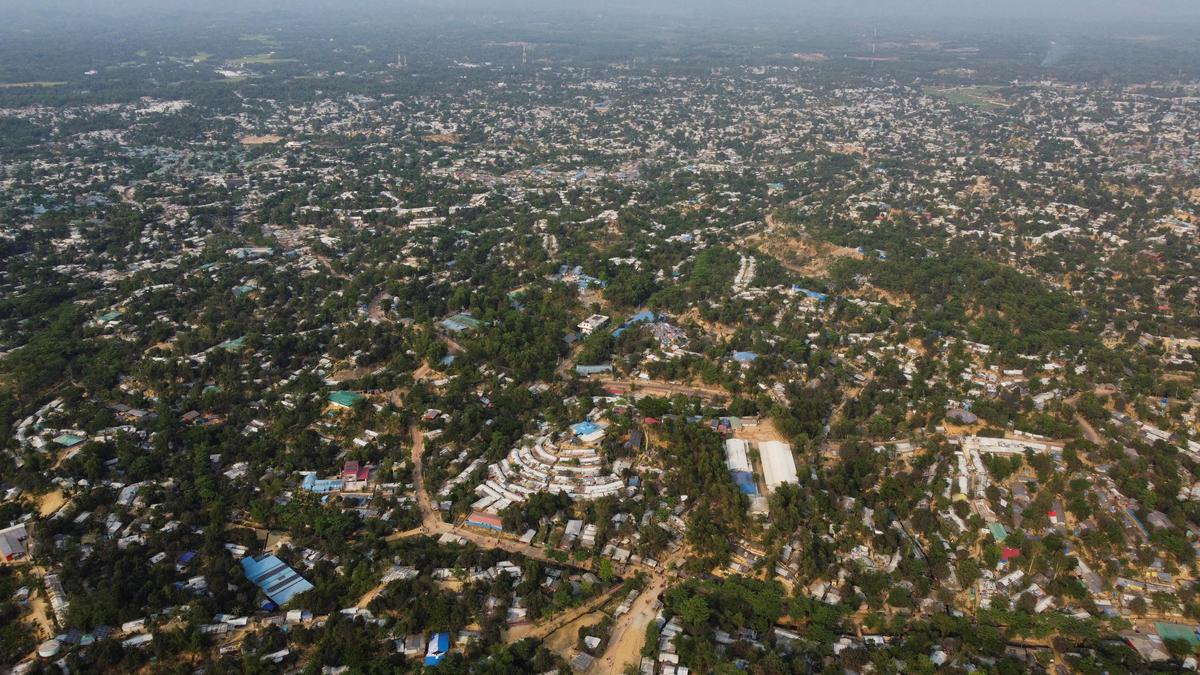
In mid-April 2026, a fishing trawler carrying an estimated 250–280 people, including Rohingya refugees and Bangladeshi nationals, capsized in the Andaman Sea. The vessel was attempting to reach Malaysia when it was overwhelmed by rough seas. According to the UN Refugee Agency (UNHCR) and the International Organization for Migration (IOM), around 250 people are feared dead or missing based on preliminary estimates.
The boat had departed from Teknaf in Cox’s Bazar, Bangladesh. Survivors, numbering only 9–10, reported that the journey lasted about four days before the capsizing. Some individuals floated for over 36 hours before being rescued by passing vessels.
In a joint statement on April 14, 2026, UNHCR and IOM said: 'This tragedy highlights the devastating human cost of protracted displacement and the continued absence of durable solutions for the Rohingya.'
Since the 2017 Rohingya crisis in Myanmar's Rakhine State, over 700,000 Rohingya have fled to Cox’s Bazar, Bangladesh. Myanmar’s 1982 Citizenship Law rendered them effectively stateless, denying basic rights. In Bangladesh, more than one million refugees live in congested camps with limited access to education and formal work. According to UNHCR, funding cuts since 2023 have sharply reduced food rations. Smuggling networks exploit this vulnerability, charging high fees for passage to Malaysia, where informal labour opportunities and diaspora links exist.
The Bangladesh–Malaysia route spans about 1,500 nautical miles. Boats are often unseaworthy, carrying over 200 people with minimal supplies. Journeys that normally take 5–7 days can last weeks due to engine failure or fuel shortages. Humanitarian agencies report that vessels are sometimes denied disembarkation or allegedly pushed back, leaving migrants stranded at sea.
A UNHCR report released on April 17, 2026, noted that 2025 was the deadliest year on record for Rohingya sea crossings, with nearly 900 dead or missing. About 6,500 attempted the journey, with roughly one in seven perishing. The trend continued into 2026, with over 2,800 departures recorded between January and mid-April.
During the 2015 'boat crisis,' the IOM estimated 6,000–8,000 migrants were left stranded at sea after Thailand’s crackdown on trafficking camps and regional governments delayed disembarkation.
Comparisons with the Mediterranean migration crisis reveal both parallels and contrasts. The IOM estimates nearly 28,000 deaths in the Mediterranean since 2014, as migrants fled conflicts in Syria, Eritrea, and Afghanistan. Europe’s response, though contested, is relatively structured. Following the 2013 Lampedusa shipwreck, Italy launched Operation Mare Nostrum, rescuing around 150,000 people. Subsequent EU-led missions such as Operation Sophia targeted smuggling networks while supporting rescue efforts. Frontex coordinates joint operations, and the Common European Asylum System sets standards for asylum processing.
Legal accountability also plays a role. In the 2012 case Hirsi Jamaa v. Italy, the European Court of Human Rights ruled that pushbacks violated international law. NGOs such as Médecins Sans Frontières and SOS Méditerranée have rescued thousands. In contrast, Southeast Asia lacks binding frameworks. During the 2015 Andaman crisis, thousands were stranded at sea amid delayed responses. Without legal obligations or coordination, responses remain ad hoc.
The Rohingya maritime crisis exposes a governance vacuum in South and Southeast Asia. Conflict has strengthened neither regional cooperation nor legal protections. The absence of durable solutions continues to drive desperate journeys across the Andaman Sea.