1,678 Errors Found in Odisha’s New School Textbooks, Teachers’ Association Says
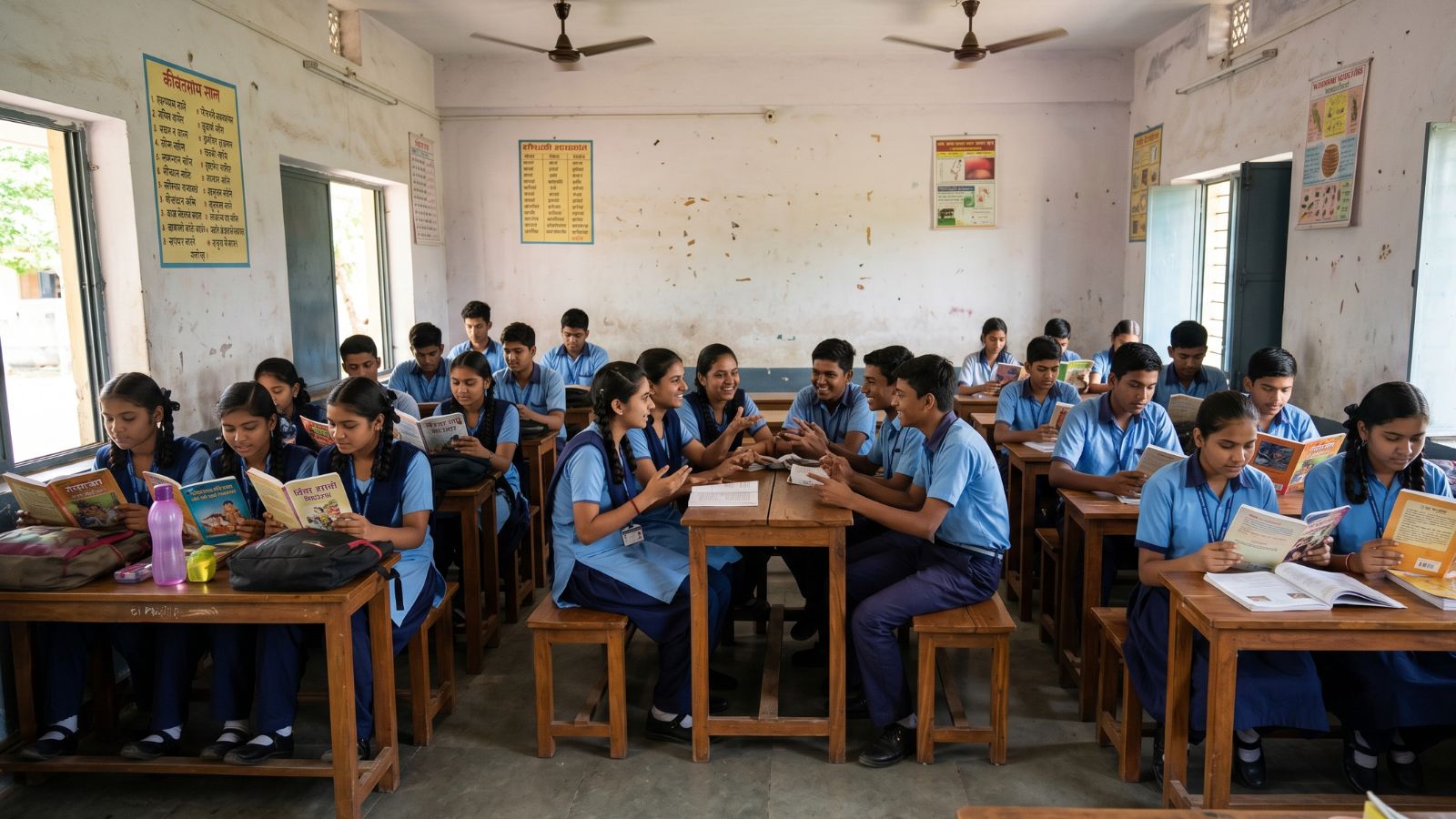
Teachers in government-run schools in Odisha have reported a significant number of errors in the newly introduced textbooks for classes 1 to 8. The Primary Teachers Association of Odisha claims to have identified 1,678 mistakes, ranging from spelling mistakes and incorrect names of eminent personalities to factual inaccuracies and wrong photographs.
The association’s president, Bramhananda Maharana, shared details of the errors with the media. One notable mistake is the use of a photograph of the Karnataka Legislative Assembly instead of the Odisha Assembly in a textbook. Another error involves the geographical misplacement of the Niyamgiri hills, a range located in southern Odisha, which was incorrectly positioned on a map. Several spelling mistakes in names of historical figures and writers have also been pointed out.
These textbooks were prepared in adherence to the National Education Policy 2020 and were prescribed for the 2026-27 academic session. The errors were discovered after teachers began using the new books in classrooms for the current academic year. Maharana stated that the mistakes could mislead students and undermine the quality of education. The association has called for immediate corrective measures, including reprinting error-free versions or issuing corrigenda.
The Department of School and Mass Education in Odisha, which oversees textbook preparation and distribution, has not yet issued an official response. Sources indicate that the textbooks were developed by a committee of subject experts and underwent multiple levels of review. The process, however, appears to have failed to catch these errors before printing and distribution.
The identification of over 1,600 mistakes has sparked concerns among teachers and parents alike. Many educators argue that textbooks form the backbone of primary education and such inaccuracies can have long-term effects on students’ foundational knowledge. The demand for a thorough review and quick correction is growing.
The incident also raises questions about the quality control mechanisms in place for educational materials in the state. With the implementation of NEP 2020, states have been tasked with creating updated curricula and textbooks, often under tight timelines. Experts suggest that rushing the process without adequate proofreading and ratification can lead to such lapses.
In the past, textbook errors in other states have led to controversies, and governments have had to withdraw or correct the books. The Odisha government is now facing similar pressure to address the issue promptly. The Primary Teachers Association has requested a meeting with the Education Minister to present their findings and seek a resolution.
Meanwhile, teachers continue to use the flawed textbooks, supplementing them with verbal corrections in class. Some schools have advised teachers to note the errors and instruct students accordingly. However, the widespread nature of the mistakes makes a piecemeal approach challenging.
The textbook debacle comes at a time when Odisha is making efforts to improve its educational infrastructure and align with national standards. The 2026-27 academic year was supposed to mark a fresh start with revised textbooks, but the errors have dented the initial rollout. Stakeholders hope that the errors will be rectified before the next academic session to prevent further confusion.
The discovery of such a large number of errors has led to calls for a comprehensive audit of all recently printed textbooks for other classes as well. Some educationists have pointed out that while mistakes are not uncommon in first editions, the scale of errors in these Odisha textbooks is unusually high. They recommend digital proofreading tools and multiple layers of fact-checking to avoid recurrence.
Parents have expressed worry about the impact on their children’s learning. “When textbooks contain wrong information, it confuses the child. It is the government’s responsibility to ensure accuracy,” said a parent from Bhubaneswar. Such sentiments echo a broader demand for accountability.
The State Government is expected to convene a meeting with the textbook development committee and representatives of the teachers’ association to discuss the way forward. A committee may be formed to look into the errors and suggest corrections. In the interim, teachers are likely to continue relying on supplementary materials to bridge the gap.