Zero Fatality Corridor: Gujarat's Ambitious Plan to End Road Deaths on NH-48
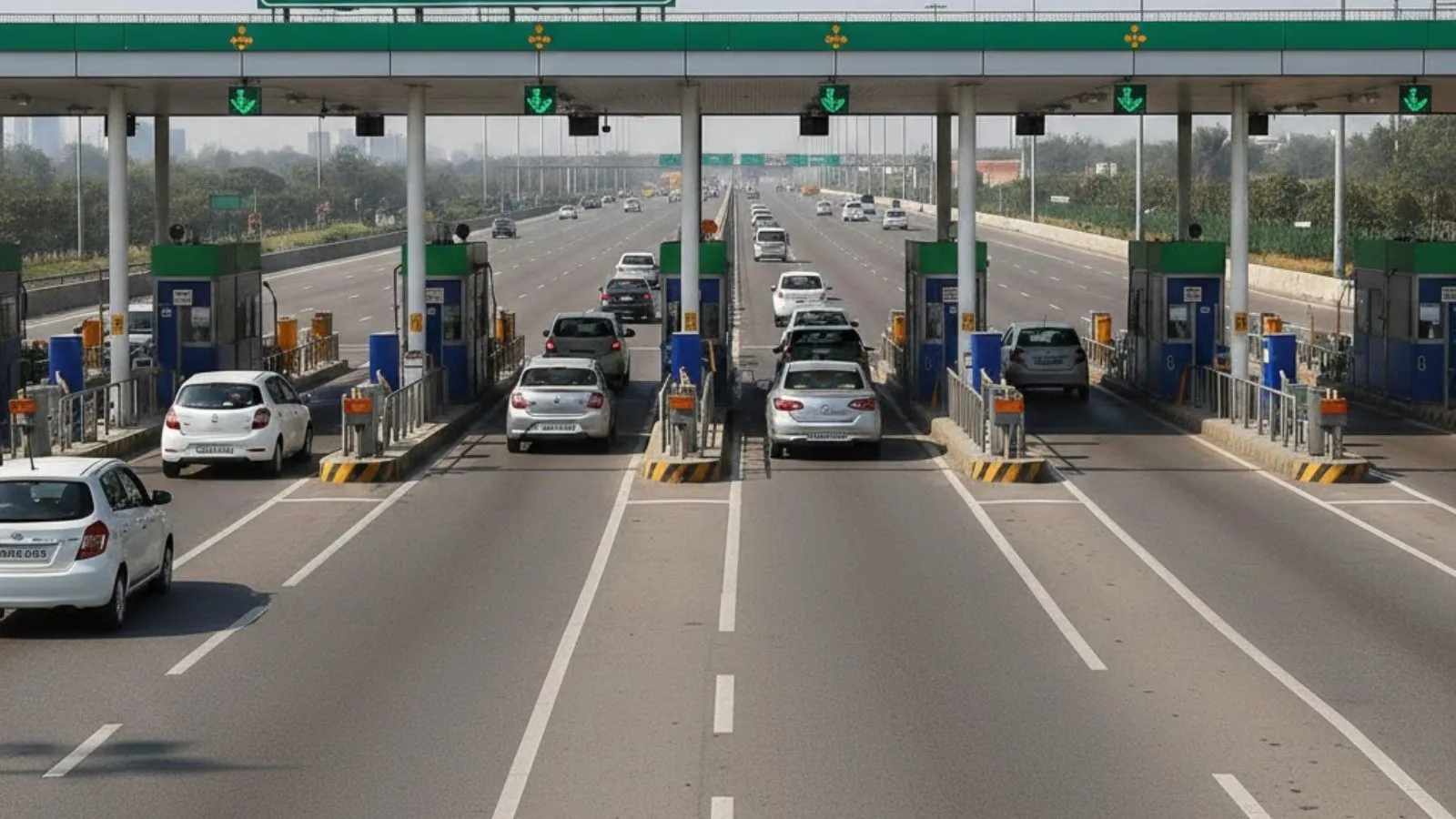
In a significant step toward reducing road fatalities, authorities in Gujarat have launched a project to convert a 65-kilometre stretch of National Highway-48 (NH-48) passing through Vadodara into a 'Zero Fatality Corridor'. The initiative aims to drastically cut deaths on one of the state's busiest highways through a combination of infrastructure upgrades, stricter enforcement, and rapid emergency response.
The project was formally inaugurated in Vadodara in the presence of Vadodara MP Dr Hemang Joshi and Commissioner of Police, Vadodara City, Narasimha Komar. Officials stated that the corridor would serve as a pilot model for road safety interventions across the state, with plans ranging from immediate improvements such as better signage and road markings to long-term redesign of accident-prone stretches.
NH-48 is a major artery connecting several key cities in Gujarat and is notorious for high accident rates. According to government data, road accidents in India kill over 1.5 lakh people annually, with Gujarat accounting for a significant share. The Vadodara stretch alone has witnessed numerous fatal crashes, often attributed to speeding, poorly designed intersections, and lack of pedestrian facilities.
The 'Zero Fatality Corridor' concept, inspired by similar projects in countries like Sweden and Australia, focuses on systemic changes rather than blaming drivers alone. Key components include: engineering improvements like crash barriers, rumble strips, and better lighting; enforcement through speed cameras and increased patrolling; and emergency response with trauma care centres and quick ambulance services.
Officials hope that the project will set a benchmark for other states grappling with road safety challenges. While the goal of zero fatalities is ambitious, it underscores a growing recognition that road deaths are preventable with the right investment and political will.