States can't use financial burden to oppose raising judges' retirement age: Supreme Court
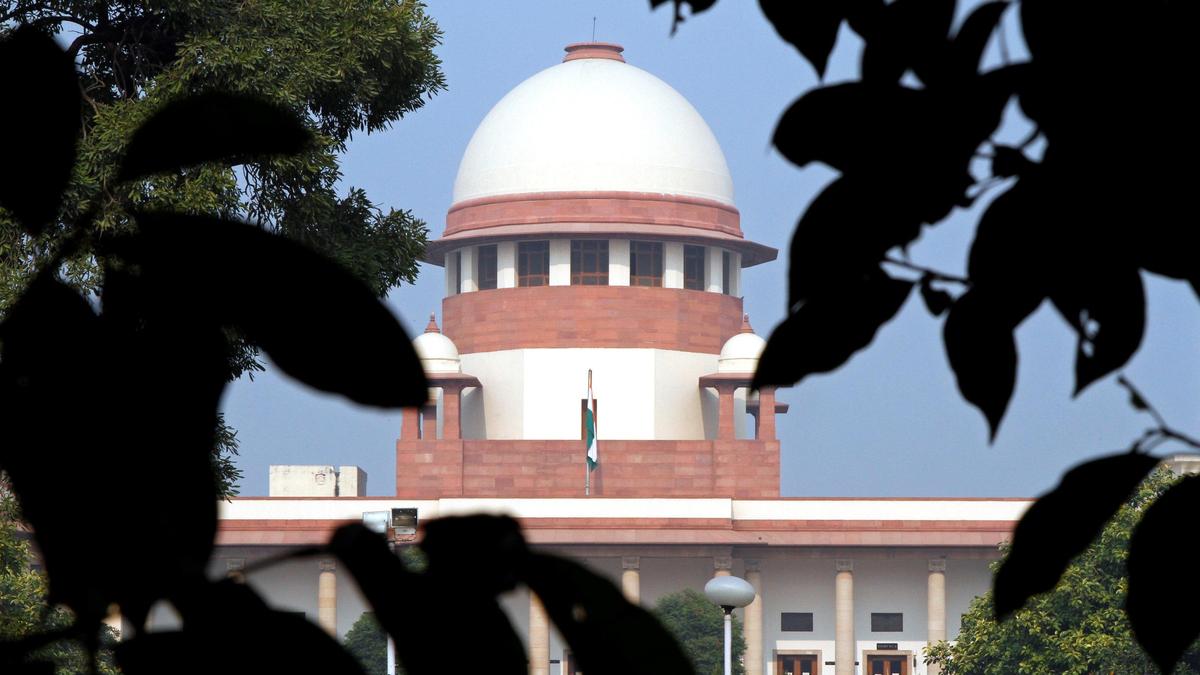
The Supreme Court on Wednesday (August 5, 2026) told state governments that they cannot cite financial burden as a justification for opposing an increase in the retirement age of judicial officers. The Court directed all states to revisit the issue and take a decision within two weeks.
A Bench comprising Chief Justice Surya Kant and Justices Joymalya Bagchi and V. Mohana observed that concerns about financial burden are "misconceived". The Court said retaining experienced judges may actually reduce the financial liability for states compared with the cost of recruiting and training replacements.
"Continuation of experienced and seasoned judicial officers would entail a lesser financial liability than what the State would incur upon their retirement," the Bench noted. It added that the reasons offered by state governments for refusing to enhance the retirement age are "untenable", but stressed that the larger issue should be resolved through consensual measures.
The Court was hearing a petition seeking uniform enhancement of the retirement age of district judges from 60 to 62 years across the country. In its interim order, it directed all states and Union Territories to decide in consultation with their respective high courts. If they agree, judicial officers will be permitted to continue in service up to the age of 61, subject to the final outcome of the proceedings.
The Bench also clarified that if any state decides to raise the retirement age, the benefit will be extended to judicial officers who retire during the intervening period.
The matter has a long history. In 2002, the Supreme Court declined to accept the recommendation of the Justice K. Jagannatha Shetty Commission, which had proposed raising the retirement age of district judges to 62 years. Since then, some states, including Telangana and Madhya Pradesh, have moved towards increasing the retirement age.
On November 20, 2025, a Bench headed by the then Chief Justice B.R. Gavai raised the retirement age of judicial officers in Madhya Pradesh from 60 to 61 years. The Court had also cited a similar decision by the Telangana High Court, asking why judicial officers should be denied the relief when the state government was willing to extend it.
Currently, Supreme Court judges retire at 65, high court judges at 62, and district judges at 60 in most states. The Supreme Court's directive aims to address the shortage of experienced judicial officers and bring uniformity in retirement ages, while emphasising that the decision must be independent and pragmatic.