Why Tribal Land Disputes Persist in Jharkhand Despite Strong Legal Shields
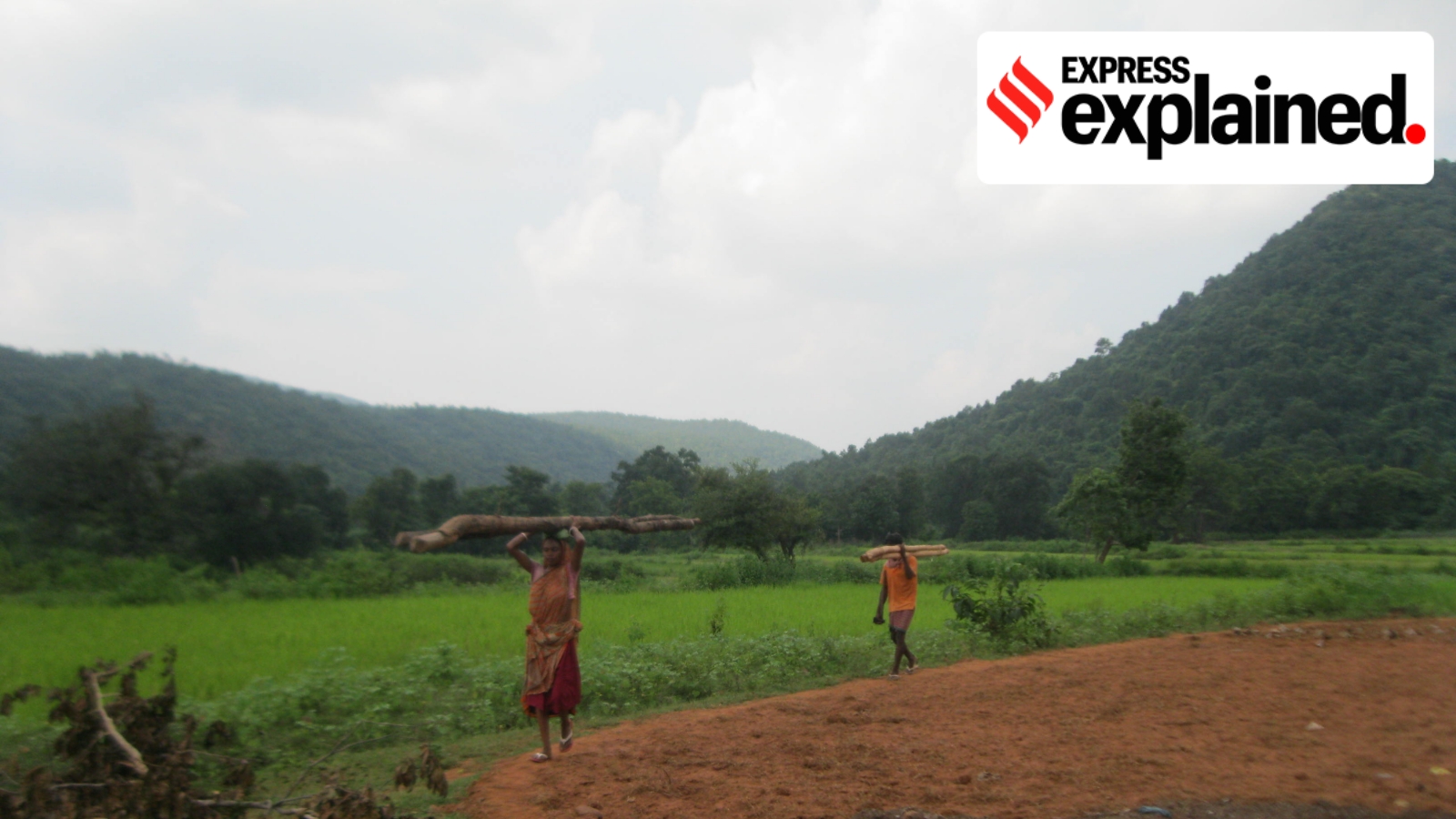
Over 170 years ago, the Santal rebellion against British rule in the Damin-i-Koh region led to the enactment of the Santhal Pargana Tenancy (SPT) Act of 1876. This law was designed to protect Adivasi communities from land alienation and exploitative moneylending. Similar protections exist under the Chotanagpur Tenancy (CNT) Act of 1908, a response to the Birsa Munda movement, and the Panchayat (Extension to Scheduled Areas) Act (PESA) of 1996. Despite these safeguards, land remains a contested issue in Jharkhand, one of India's most mineral-rich states.
The SPT Act prohibits the transfer of Adivasi lands to non-Adivasis, allowing only inheritance within the community. It covers six districts in the Santal Pargana region. The CNT Act restricts land transfers among Adivasis and Dalits, requiring approval from the District Collector for certain transactions. PESA empowers Gram Sabhas in scheduled areas to govern natural resources and ensure self-governance. These laws are intended to protect tribal rights, but researchers point to several reasons why disputes continue.
One major issue is the conflict between these protective laws and central legislation governing mining and resource extraction. The Mines and Minerals (Development and Regulation) Act, 1957, and the Coal Bearing Areas (Acquisition and Development) Act, 1957, often override tribal laws in the name of 'public interest.' Section 49 of the CNT Act, amended in 1996, now permits land transfers for industrial and mining purposes with the Deputy Commissioner's sanction, creating a loophole for alienation.
Weak enforcement and administrative practices further undermine the protections. Multiple laws overlap, and state authorities frequently prioritise mining interests over tribal rights. Legal loopholes, combined with insufficient implementation of PESA, allow land alienation to persist. The result is continued conflict between tribal communities, the state, and corporate entities seeking to exploit Jharkhand's mineral wealth.
In summary, while laws like the SPT Act, CNT Act, and PESA exist to protect tribal lands, their effectiveness is compromised by conflicting central legislation, legal amendments favouring industry, and poor enforcement. Addressing these issues requires stronger implementation and a harmonisation of laws to truly uphold the constitutional safeguards for tribal communities.







