Why Some African Nations Are Turning Down US Health Aid With New Conditions
The United States has shifted its global health strategy, moving away from multilateral cooperation through the World Health Organization (WHO) to direct bilateral agreements with individual countries. These deals, however, come with conditions that prioritize US strategic and commercial interests, leading some African nations to reject them.
Secretary of State Marco Rubio told a congressional committee last month that US aid would no longer simply fund non-governmental organisations but would help countries build their own capacity. The policy document states: 'Our global health foreign assistance programme is not just aid - it is a strategic mechanism to further our bilateral interests around the world.'
The US withdrew from the WHO earlier this year, citing disproportionate funding and alleged mismanagement of the Covid-19 pandemic. In place of WHO-led initiatives, Washington has signed health Memorandums of Understanding (MOUs) with 32 countries, including at least 20 in Africa.
These MOUs explicitly promise to prioritise US pharmaceuticals and medical firms in developing and delivering treatments. This has raised concerns among some recipient nations about sovereignty and the linking of health aid to other US interests.
For instance, Zambia's Foreign Minister Mulambo Haimbe criticised the US for linking the health MOU to a separate agreement granting Washington access to critical minerals. 'Our colleagues looked at it from the perspective that [the two deals] must be taken as a package,' he told the BBC, adding that Zambia wanted to discuss them separately. The US State Department denied a direct link but emphasised that US foreign assistance is 'strategic capital' to advance American priorities.
In another move, the US announced it would withdraw funding for HIV/Aids programmes in South Africa. An administration official tied the decision to South Africa's failure to address US policy requests, including treatment of the white-minority Afrikaner community. US claims of a 'white genocide' in South Africa have been widely discredited.
Additionally, some African countries negotiating MOUs have expressed concerns over US access to health data, including patient information and biological pathogens. These data-sharing clauses have set off alarm bells about privacy and sovereignty.
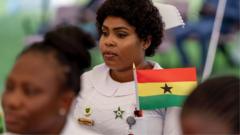
Countries such as Ghana, Zimbabwe, and Zambia have resisted signing the MOUs for various reasons, reflecting a broader wariness of conditions that tie health aid to strategic or commercial demands. The Trump administration's 'America First' approach has thus created tension with traditional aid recipients.