West Bengal Government Introduces Bill to Control Anti-Social Activities – Critics Raise Civil Liberties Concerns
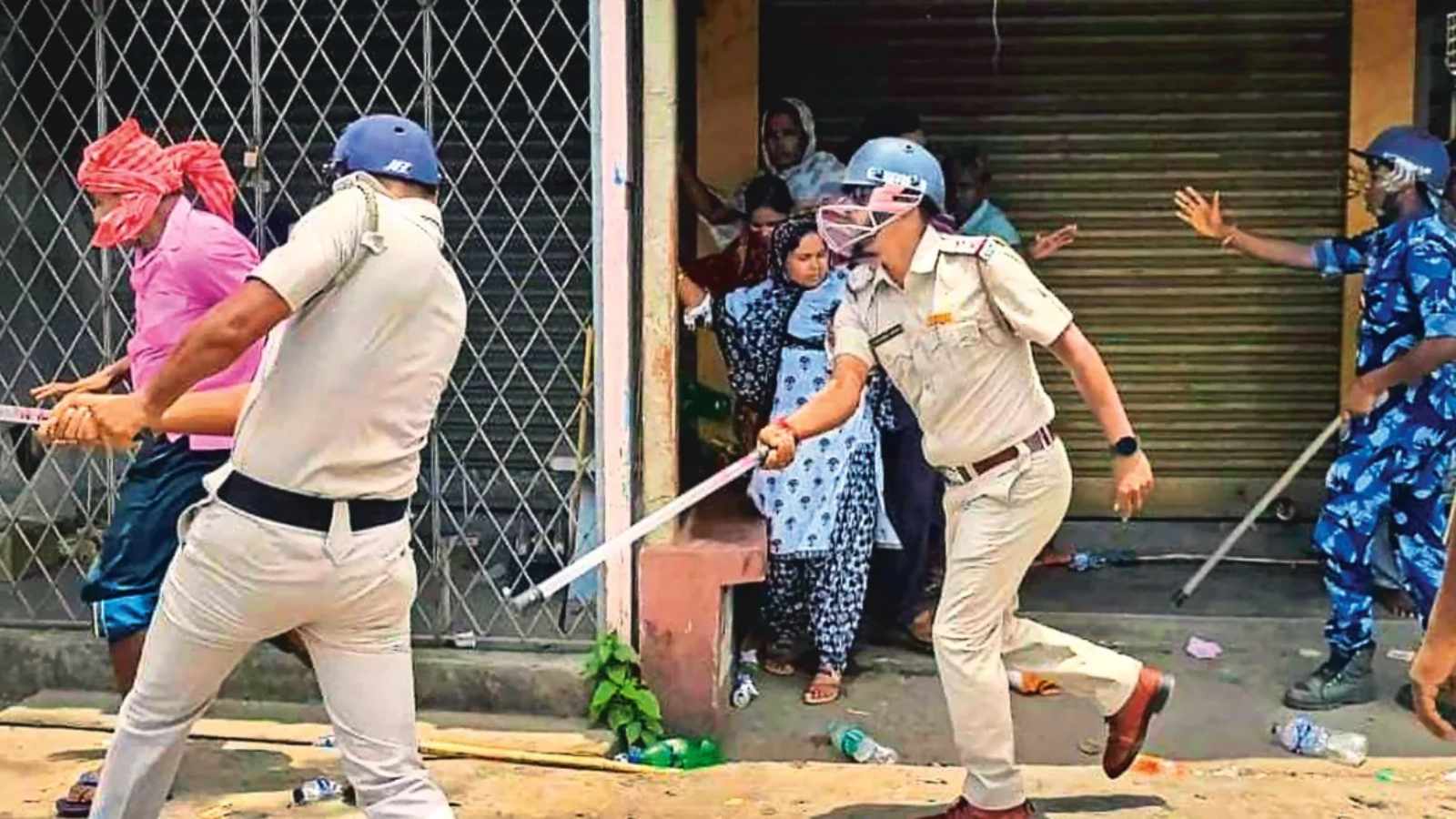
The West Bengal government is set to table a new bill in the state Assembly aimed at preventing and controlling anti-social activities. The West Bengal Public Safety and Control of Anti-Social Activities Bill, 2026, has sparked debate over its provisions, which grant authorities power to restrict movement of individuals deemed 'goondas' for up to one year without a trial.
According to the bill, district magistrates, commissioners of police, or a police officer of the rank of deputy inspector general (DIG) or above, authorised by the state government, can issue orders barring a person from entering a specified area, district, or multiple districts if there is apprehension that the person is engaging in or will engage in anti-social activities. The restriction period cannot exceed one year.
Opposition parties and civil liberties groups have expressed concerns that the bill could be misused to target political opponents or suppress dissent. They argue that the provision allows for detention without judicial oversight and violates fundamental rights. The government, however, maintains that the bill is necessary to tackle organised crime and maintain public order.
The bill defines 'anti-social activities' broadly, including acts that disturb public order, promote enmity between groups, or involve organised crime. Critics say the vague definition could lead to arbitrary application.
The bill is expected to be debated in the Assembly before its passage. The West Bengal government has defended the legislation, stating it is a proactive measure to ensure public safety.