Venezuela Earthquake Death Toll Reaches 235 as Rescue Efforts Intensify
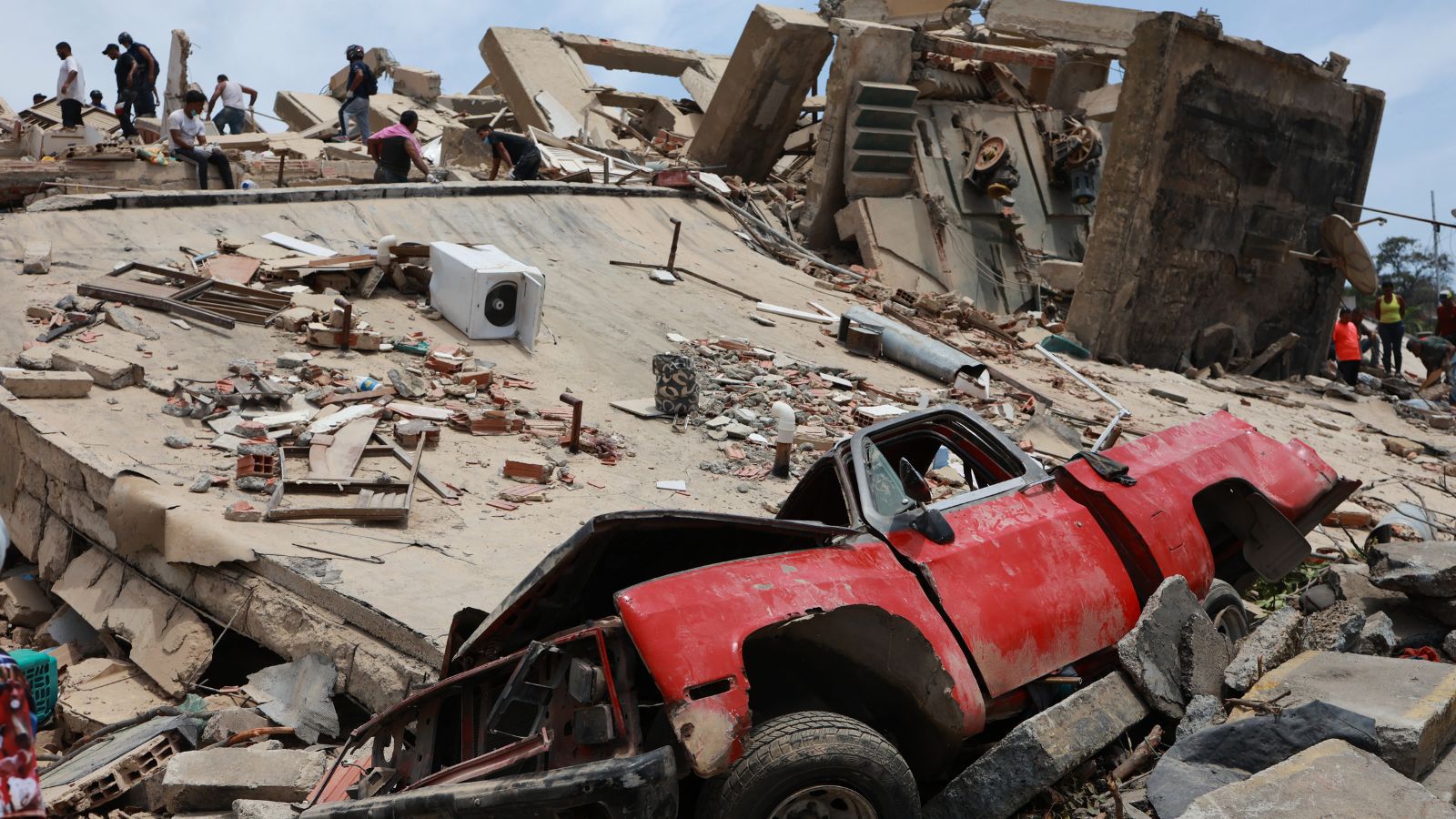
A day after twin earthquakes struck Venezuela's northern coast within a minute of each other, the confirmed death toll has risen to 235, with more than 4,300 injured. International rescue teams have arrived to assist, but hundreds remain trapped under rubble and thousands are still unaccounted for.
Venezuela's Health Minister Carlos Alvarado confirmed the death toll on Thursday during a broadcast on state television. "Unfortunately we have received around 235 patients who arrive without vital signs or die when they arrive at our health facilities," he was quoted as saying by the BBC.
The figure is expected to climb. National Assembly President Jorge Rodríguez stated that more than 200 people are still trapped under the debris of approximately 250 collapsed or damaged buildings, with at least 157 people officially listed as missing.
Worst-Hit Areas
The coastal region of La Guaira, north of the capital Caracas, has suffered the most severe damage. Venezuela's main international airport, located there, remains closed due to structural damage, hampering the arrival of aid and rescue teams. Acting President Delcy Rodríguez declared La Guaira a disaster zone on Wednesday night and urged businesses to release heavy construction equipment for rescue operations.
In downtown Caracas, hundreds of residents spent the night in parks and open spaces, afraid to return to their homes. Parts of the capital experienced power outages and disruptions to mobile phone service. Subway services were suspended, natural gas supply was cut off, and schools were closed for several days. Some buildings have been converted into emergency shelters and donation centres.
Rescue Operations
Officials state that the primary focus is on finding survivors trapped under the rubble. Two of the United States' most capable urban search and rescue teams, from Fairfax County in Virginia and Los Angeles County in California, are being deployed to Venezuela, according to CNN. Mexico has sent rescue and health personnel from its defence secretariat. The Dominican Republic confirmed that its first team had already arrived, with more international teams expected throughout the day.
On the ground, residents recounted that neighbours conducted much of the initial digging themselves, with little sign of government teams outside Caracas in the immediate aftermath.
One resident, Dayana Delgado, expressed frustration about the absence of heavy machinery promised by the government. "I want to know where my child is, if he's trapped or in a shelter," she told the Associated Press, referring to her missing eight-year-old son.
Retired teacher Juan Alberto Mendaño described climbing through wreckage in La Guaira and spotting a woman trapped in the rubble, signalling with her hand. "May God rescue her as quickly as possible," he said. "When we heard the scream, there was nothing we could do."
Cause of Destruction
The United States Geological Survey reported that the first earthquake, with a magnitude of 7.2, struck west of Moron on the Caribbean coast, about 170 kilometres west of Caracas, at a depth of 22 kilometres. The second, measuring 7.5, hit just a minute later, 16 kilometres southwest of Moron, at a shallower depth of only 10 kilometres.
Brazilian geophysicist Marcos Ferreira explained that the rapid succession and shallow depth amplified the impact. "It is as if I am screaming and then someone starts screaming too," he told the Associated Press. "That combination can be deadly."