US Waiver Opens Door for Iranian Oil, but Indian Refiners Stay Cautious
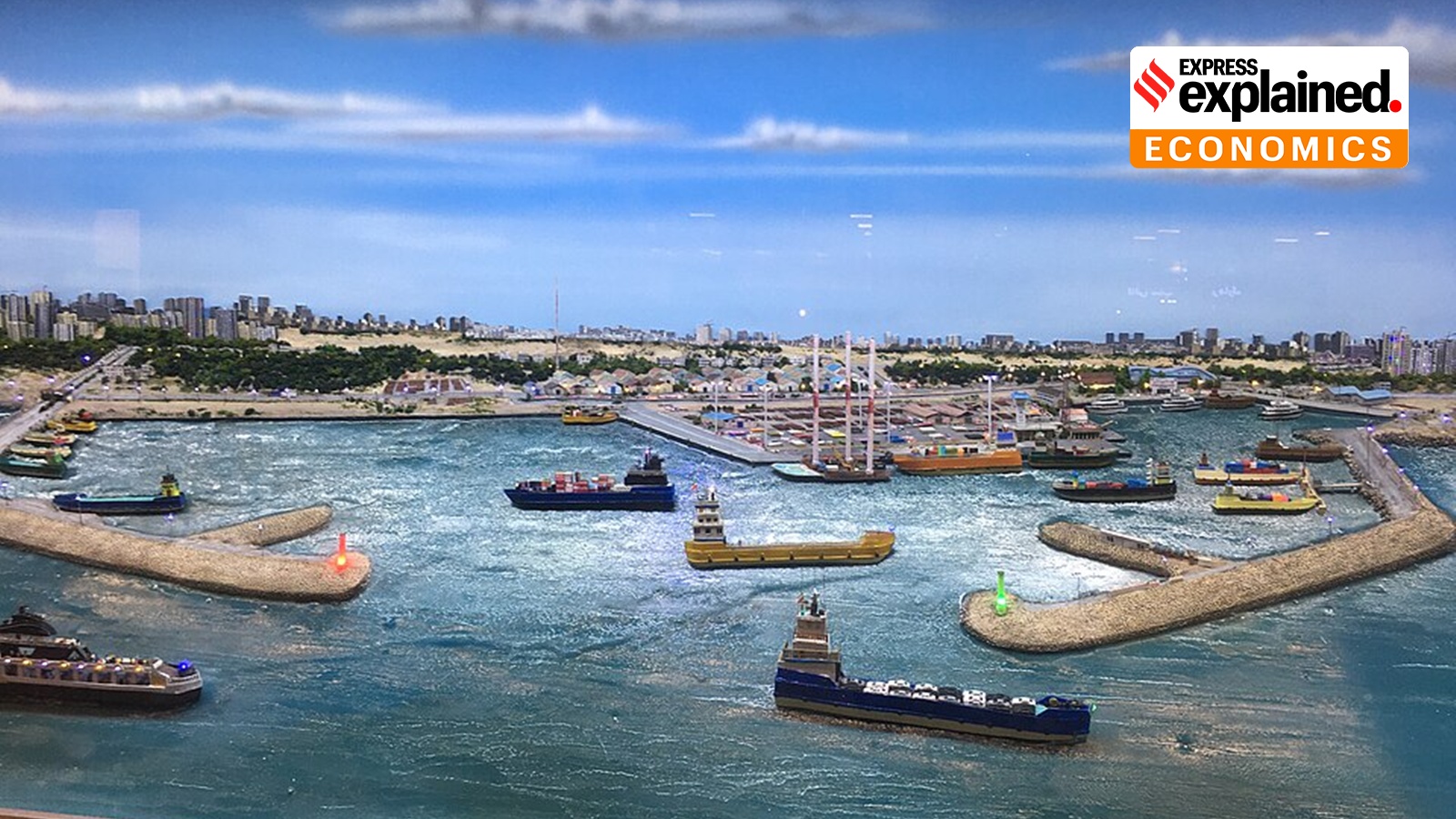
The United States Department of the Treasury on Monday issued a waiver permitting the production, delivery, and sale of Iranian oil, petroleum products, and petrochemicals until August 21. The US has also committed to removing its naval blockade of Iranian ports. These measures are intended to help Tehran export its oil to the broader international market, after years of predominantly selling to China.
This sanctions waiver presents an opportunity for India, which was once a major buyer of Iranian crude. According to reports, the National Iranian Oil Company (NIOC) has begun reaching out to international oil companies, including Indian refiners, and trading houses, seeking to resume commercial relationships.
Sources in India's refining sector indicate that companies are in discussions with the Iranian side, conducting techno-commercial feasibility studies to determine whether Iranian crude is technically compatible with their refineries and commercially viable to purchase. While some opportunistic cargoes may be acquired over the next two months, industry experts do not expect large-scale buying by India in the immediate future.
Indian refiners are expected to proceed cautiously, given the fragile peace agreement and lack of long-term clarity on the future of Iranian oil. Key concerns include the durability of sanctions relief, pricing and discounts, and the availability of payment, insurance, shipping, and logistics mechanisms. Payment remains the biggest hurdle, as Iran's financial sector is also under US sanctions.
The waiver specifically addresses Iran's oil, petroleum product, and petrochemical exports, but does not lift financial sector sanctions. However, the waiver notification allows payments in dollar-denominated funds, which could ease some payment-related issues. How this will work in practice remains to be seen.
According to Abu Dhabi-based energy analyst Natalia Katona, any decision to restart oil trade with Iran will likely be made first by refiners' compliance departments, not trading desks. Even with temporary permission for crude trade, the banking side remains complicated, as Iranian banks are still heavily sanctioned. Buyers must resolve payment, documentation, and settlement formalities before regular trade can resume.
Indian refiners typically avoid oil and gas under US sanctions to prevent the risk of secondary sanctions. Therefore, calls on Iranian oil imports will only be made once there is clarity on all these aspects.