US to Impose Tariffs on 60 Nations Over Forced Labour Enforcement
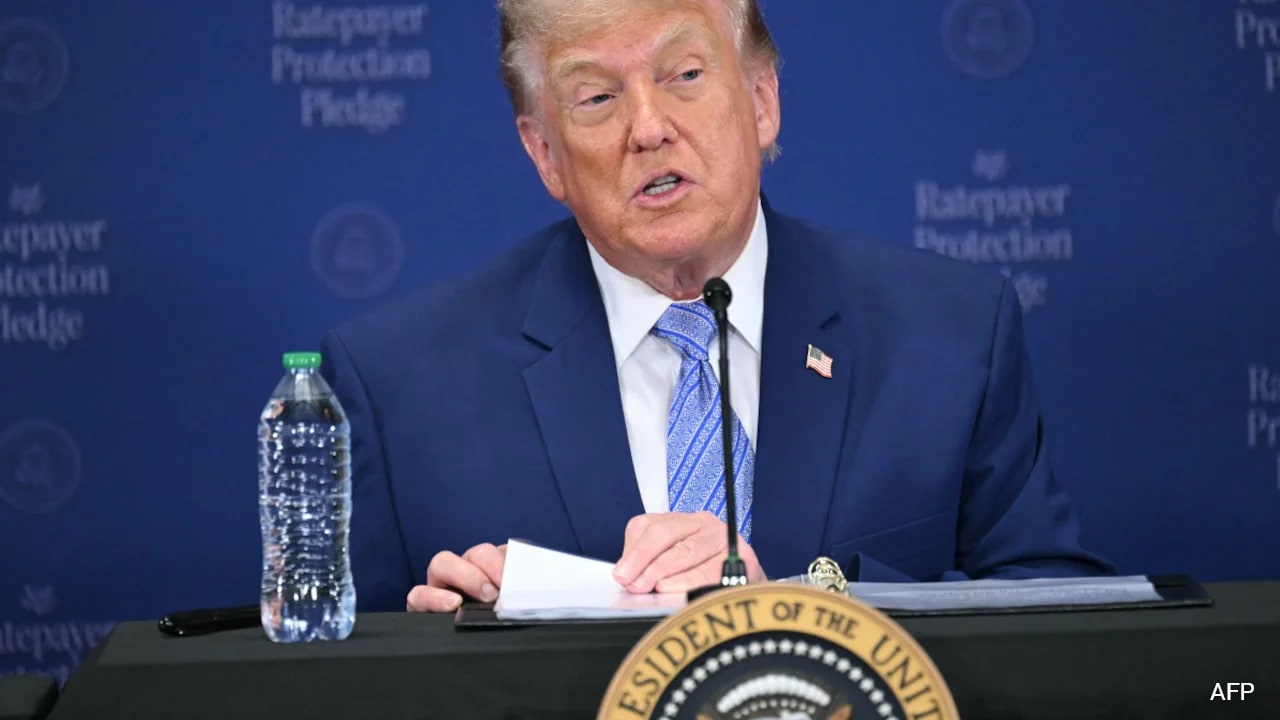
The United States administration has announced new tariffs affecting 60 trading partners, including the European Union, over concerns about inadequate enforcement of forced labour bans. The tariffs, set at 10% and 12.5%, will take effect from Friday, coinciding with the expiry of a temporary 10% global tariff imposed earlier this year.
The move follows a Supreme Court ruling in February that struck down previous ‘reciprocal’ tariffs imposed under a national emergencies law. The new duties are being imposed under Section 301 of the Trade Act of 1974, a legal basis that has withstood previous court challenges. According to a Federal Register notice, the tariffs will cover 99.4% of US imports, though several product categories such as oil, gas, fertilisers, and certain food items are exempted.
US Trade Representative Jamieson Greer stated that the action aims to address both human rights abuses and unfair trade practices. ‘The United States has had a forced labour import ban for nearly a century, and rigorously enforces it. It's well past time for our trading partners to do the same,’ he said in a statement. The tariffs are designed not to exceed caps already agreed in bilateral trade deals that include anti-forced labour provisions.
Countries facing a 10% duty include Argentina, Bangladesh, Britain, Cambodia, Canada, Ecuador, El Salvador, Guatemala, Honduras, India, Indonesia, Jordan, Malaysia, Mexico, Pakistan, Sri Lanka, and Trinidad and Tobago. The European Union, Taiwan, Japan, South Korea, and Switzerland will see combined rates of 10% or 12.5% under most-favoured-nation rules. Another 38 countries, including China, have been assigned a 12.5% rate.
Trade experts note that the new tariffs largely replicate current tariff levels from previous agreements. A senior administration official emphasised that the US has stronger forced labour import bans than other nations, giving rivals an unfair advantage. The official also cited bipartisan congressional calls for eradicating forced labour from global supply chains as a factor behind the decision.
Goods that already face Section 232 national security tariffs—such as autos, steel, and aluminium—are exempt. Additionally, products compliant with the US-Mexico-Canada Agreement (USMCA) will be exempt due to the high degree of integration in North American supply chains.