US strikes 140 Iranian targets after Hormuz closure; Iran retaliates against Gulf nations
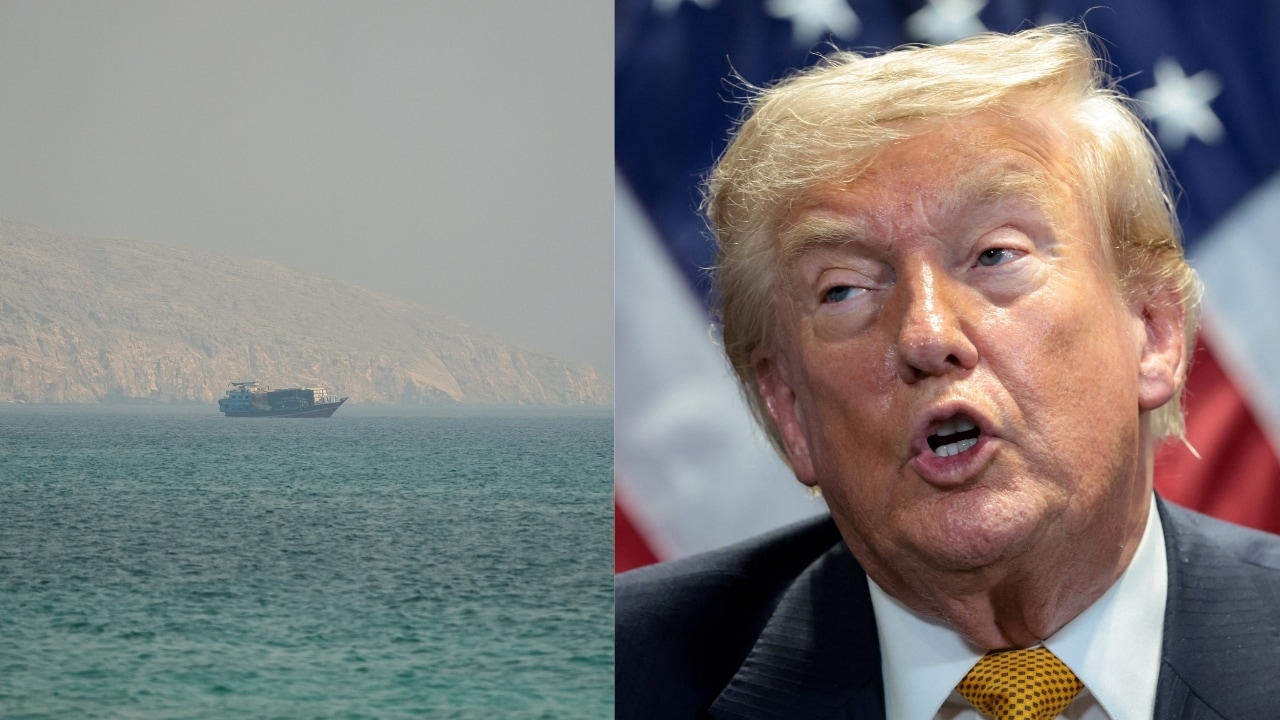
The United States launched a third round of strikes on Iran early Sunday, targeting over 140 sites along Iran's southern coast, after Iran's Revolutionary Guards announced the closure of the Strait of Hormuz to commercial shipping. Iran responded with missile and drone attacks on Bahrain, Kuwait, Qatar, and the United Arab Emirates, raising fears of a broader regional conflict.
According to a statement from US Central Command (CENTCOM), the strikes began at 7:15 pm Saturday Washington time and were carried out under the direction of President Donald Trump. The operation aimed to degrade Iran's ability to target civilian vessels, hitting missile and drone sites, naval facilities, ammunition depots, and communication networks. CENTCOM said the strikes were in response to Iran's attack on a Cyprus-flagged container ship transiting the strait, which left one civilian crew member missing and the vessel disabled due to fire and engine damage.
The crisis began when Iran's Revolutionary Guards announced the closure of the Strait of Hormuz, a narrow waterway through which about one-fifth of the world's oil passes. In a statement carried by state news agency IRNA, the Guards said they fired a warning shot at a vessel that took an unauthorised route, and that multiple vessels disregarded instructions. One vessel was struck and stopped. The Guards declared the strait closed until further notice, warning of a 'severe response' to any retaliation.
US Defence Secretary Pete Hegseth commented on social media, saying 'Iran made a poor choice. Now they pay,' without providing details on the legal or strategic rationale for the escalation.
Iranian state media reported explosions in several southern coastal areas, including the energy hubs of Bushehr and Asalouyeh, as well as the port cities of Bandar Abbas, Bandar-e Dayyer, and the Sirik region near the Strait of Hormuz. Civilian casualties or damage were not immediately confirmed.
In the Gulf, the United Arab Emirates defence ministry confirmed it was intercepting missile and drone threats, and sounds of explosions were heard across the country. Bahrain issued air raid sirens and urged civilians to seek shelter. Qatar and Kuwait also reported missile alerts and interception attempts.
The latest hostilities threaten an interim peace agreement signed on June 17 between the United States and Iran, which had called for an immediate cessation of military operations. The original conflict, which began on February 28, has already led to significant loss of life, including the death of former Iranian Supreme Leader Ali Khamenei in earlier US-Israeli strikes.
The Strait of Hormuz closure has immediate global implications, as nearly 20 million barrels of oil pass through daily. Analysts warn that prolonged disruption could cause oil prices to spike and destabilise energy markets.
Both sides have accused each other of violating international maritime law. The United Nations has called for restraint and dialogue, but no diplomatic talks have been scheduled. As of Sunday evening, the situation remains volatile, with no indication of de-escalation.