US Proposes $2 Million Grants to Counter EU Digital Regulations, Report Says
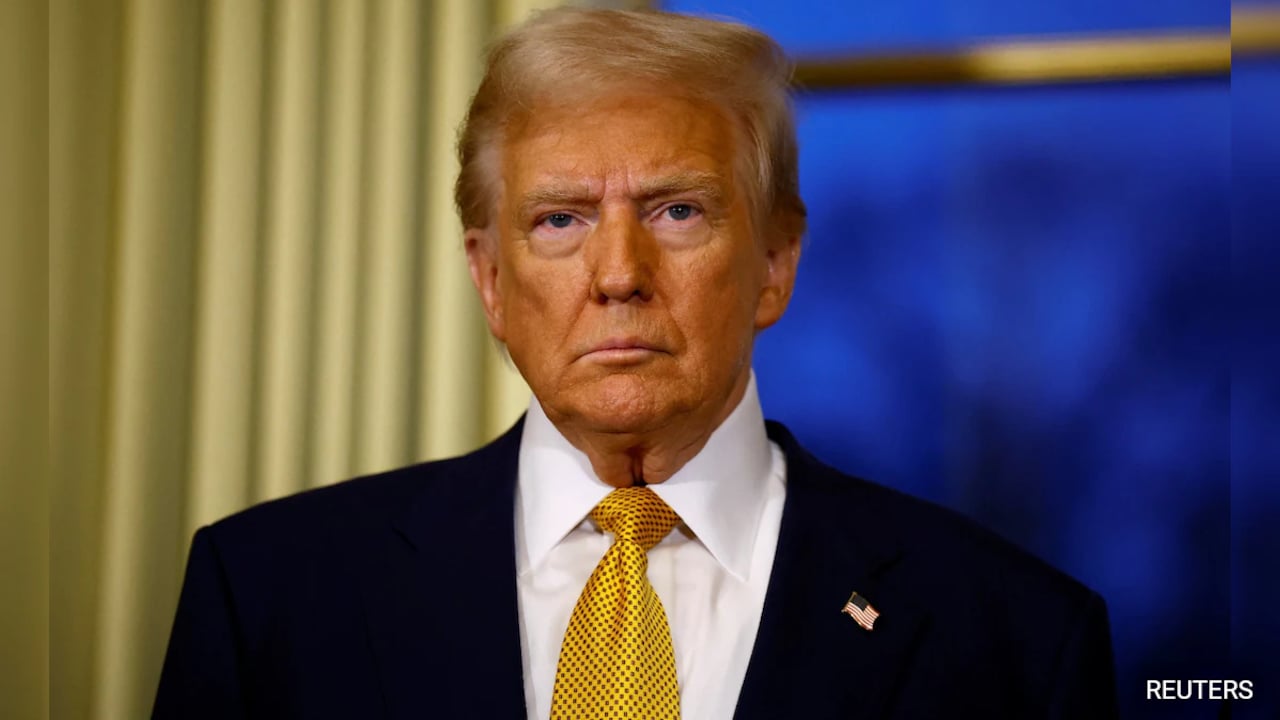
The United States government is reportedly preparing to issue grants in Europe and other regions to support initiatives aligned with former President Donald Trump's political agenda, according to a report by the Financial Times. The proposed funding includes $2 million specifically aimed at countering European Union regulations on online content, such as the Digital Services Act and the Digital Markets Act.
The report cites a copy of a notice sent by the US State Department to lawmakers, outlining the planned grants as part of a broader shift in US foreign aid priorities. The grants would support projects that challenge what the notice describes as 'censorship' stemming from EU laws.
The Digital Services Act and Digital Markets Act are EU regulations designed to increase accountability for large online platforms, including measures to combat illegal content and ensure fair competition. Critics of the laws argue they may restrict free speech, while supporters say they protect users from harmful content and monopolistic practices.
The Financial Times report noted that the grants represent a significant departure from previous US foreign aid approaches, which traditionally focused on democracy promotion and development without explicit partisan alignment. The proposed funding would support groups and initiatives that align with the political priorities of the Trump administration.
Reuters, in a separate report, stated it could not independently verify the information. The State Department has not publicly confirmed the details of the grant proposal.
This development comes amid ongoing tensions between the US and EU over technology regulation and free speech. The EU has pushed for stricter rules on digital platforms, while some US policymakers have criticized these measures as overregulation that could harm American tech companies.
The proposed $2 million in grants is a relatively small amount compared to overall US foreign aid, but it signals a potential shift in how the US engages with Europe on digital policy. If implemented, it could deepen transatlantic disagreements over the governance of online spaces.