US-Iran Talks: Fragile Truce Holds as Negotiations Continue Amid Strikes
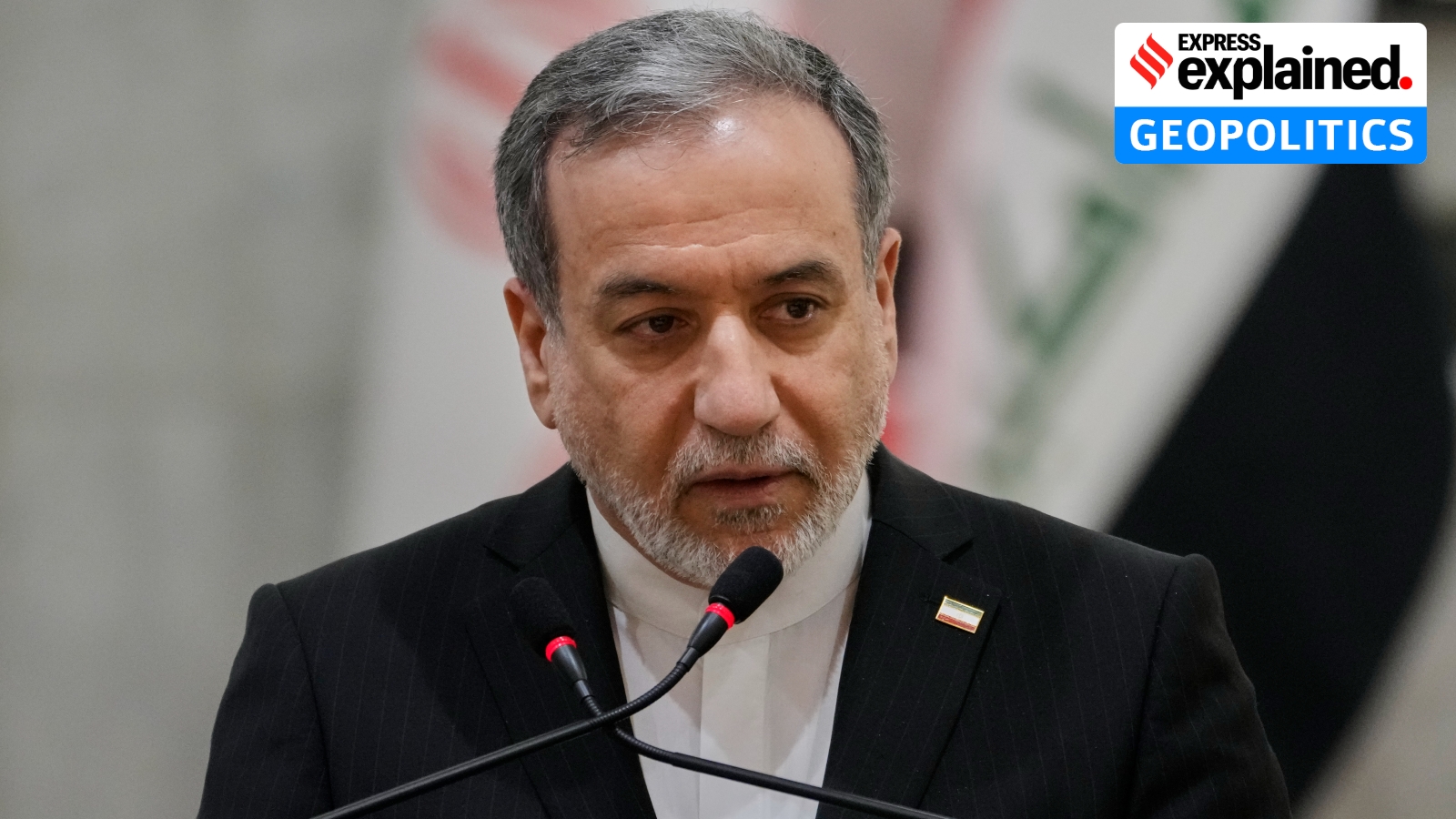
The United States and Iran traded military strikes early Sunday (June 28) even as negotiations continue between both countries to end the war in West Asia that began in February. These strikes, the latest in a series of flare-ups over the past week, threaten to unravel a fragile truce established under a 14-point Memorandum of Understanding (MoU) signed earlier this month.
Ajay Singh, an energy and shipping executive based in Tokyo, spoke to The Indian Express about the prospects of the ongoing US-Iran negotiations, the significance of the MoU, and what this means for oil and gas markets, among other issues.
What are the prospects for the negotiations?
Flare-ups may continue as the MoU has left crucial details unaddressed, such as arrangements for monitoring and enforcing the ceasefire in Lebanon, protocols for shipping in the Strait of Hormuz, and whether International Atomic Energy Agency inspectors may access sites in Iran.
Some individuals on both sides may prefer that full-blown fighting resumes, causing disruptions in Lebanon or the Strait of Hormuz as elections in Israel and the US draw closer. However, the US and Iran will likely proceed with negotiations because both recognise that further conflict is not in their interests, at least for now.
Mutual mistrust and the complexity of the nuclear issue make it highly unlikely that a result will be forthcoming within 60 days, if at all, and extensions will be required. The best one may hope for is an outcome similar to the Joint Comprehensive Plan of Action (JCPOA) of 2015, also known as the Iran nuclear deal, whereby Iran may pursue a peaceful nuclear programme under safeguards and secure a lasting end to sanctions, in return for rendering highly enriched uranium harmless.
Perhaps the US, though not Israel, may be amenable to such a deal in light of the experience of the past four months, so long as it can be presented as an improvement over the JCPOA.
Frankly, this is an opportunity for Iran to make peace with dignity, secure the rightful future prosperity of its people, and end its decades-long ostracisation. The unknown is the internal dynamic within the Iranian regime at this time. It may decide that the country's only guarantee of security lies in continued conflict, or insist on a complete withdrawal of US forces from the Middle East. That would be an overreach.
The situation after the US mid-term elections may not be as favourable for Iran. The military advantage it has secured through drones and missiles will eventually be countered, as the offence-defence balance inevitably evolves. In a no-holds-barred conflict, superior American economic and technological strength will prevail. Unfortunately, such a conflict would entail enormous economic pain and risk a wider conflagration.
What is the significance of the MoU?
The war brought the five-decades-long feud between Iran and the US and Israel to a head. It was a make-or-break time for the Iranian regime, the most serious threat it has faced since the war with Iraq in the 1980s.
Objectively, one may say that Iran has pulled off something of a breakthrough. After decades of enduring tough sanctions, it has restored its primary source of national income through oil exports, secured access to hitherto frozen funds, and obtained an additional $300 billion in funding. It retains military capabilities to continue menacing adversaries and choke off the Strait of Hormuz. Most extraordinarily, the US has recognised Iran's claims over the Strait, without regard to the rest of the world.