US-Iran Deal: 14-point agreement marks shift from earlier US demands
Following weeks of negotiations, the United States and Iran have signed a 14-point memorandum of understanding (MoU), marking a ceasefire and outlining terms for further talks. The deal has resulted in notable departures from earlier US positions on key issues such as ballistic missiles, enriched uranium, and financial compensation.
Ballistic Missiles
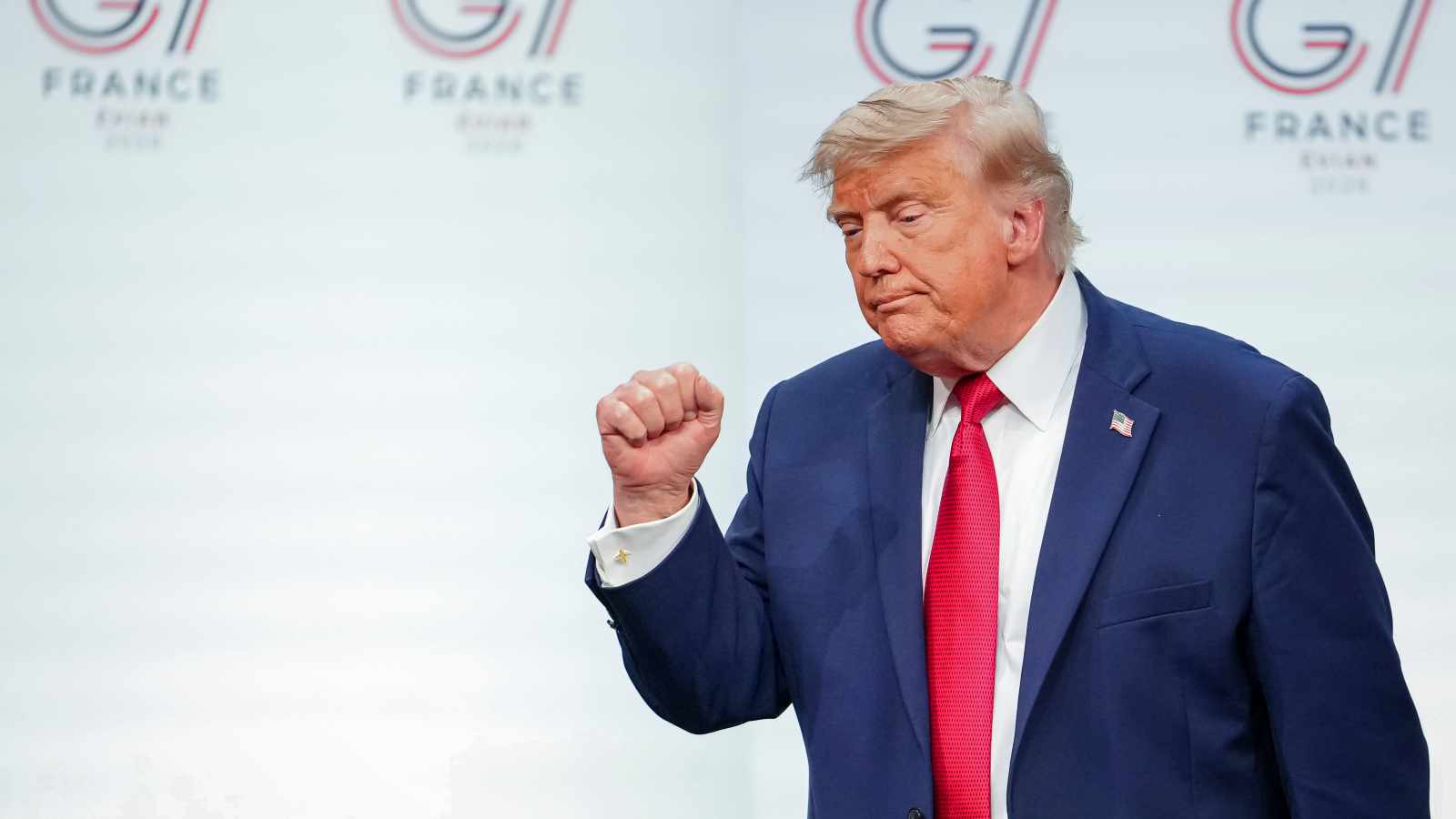
US President Donald Trump, speaking at the G7 summit in France, stated that it would be unfair to deny Iran a limited ballistic missile capability, given that other regional states possess such weapons. “If Saudi Arabia and Qatar, and they all have some, I would say that in relative proportion, I think it’s okay,” Trump said. He added that missiles are not the primary concern, as they only cause limited damage compared to nuclear weapons. This represents a shift from earlier US demands, which included a halt to Iran’s ballistic missile programme and withdrawal of support for proxy groups in Yemen, Lebanon, and Iraq. Analysts note that previous US concerns were heightened by Iran’s missile capabilities, which had breached Israel’s Iron Dome defence system in June last year. The issue is expected to be addressed in subsequent negotiations.
Enriched Uranium
The MoU does not require Iran to hand over its existing stockpile of enriched uranium, which could potentially be used to produce multiple nuclear weapons. Instead, the two countries agreed to develop a mechanism within two months to manage the material, with a baseline method of on-site down-blending under International Atomic Energy Agency (IAEA) supervision. Trump downplayed the need for transferring the stockpile, asserting that Iran cannot access the uranium as it is buried deep underground after US airstrikes on three nuclear sites last year. He claimed that only the US and China possess the equipment to reach it.
Nuclear Capabilities
While Trump stated that Iran’s nuclear capabilities had been “obliterated” in the June strikes, US intelligence assessments suggest that a significant portion of Iran’s highly enriched uranium survived. These assessments indicate that Iran could potentially develop a nuclear weapon in less than a year if it chose to. Iran maintains that its nuclear programme is for peaceful purposes.
Financial Compensation
The agreement includes a commitment by the US and regional partners to fund a reconstruction plan for Iran, estimated to cost at least $300 billion. The details of this plan are to be finalised within the next 60 days as part of broader negotiations. Notably, Trump had previously rejected any financial payout to Iran.
The MoU represents a de-escalation of tensions between the two countries, with further talks scheduled to address outstanding issues, including ballistic missiles and the uranium stockpile.