US Imposes 10% Tariff on India Under Section 301 Over Forced Labour Concerns
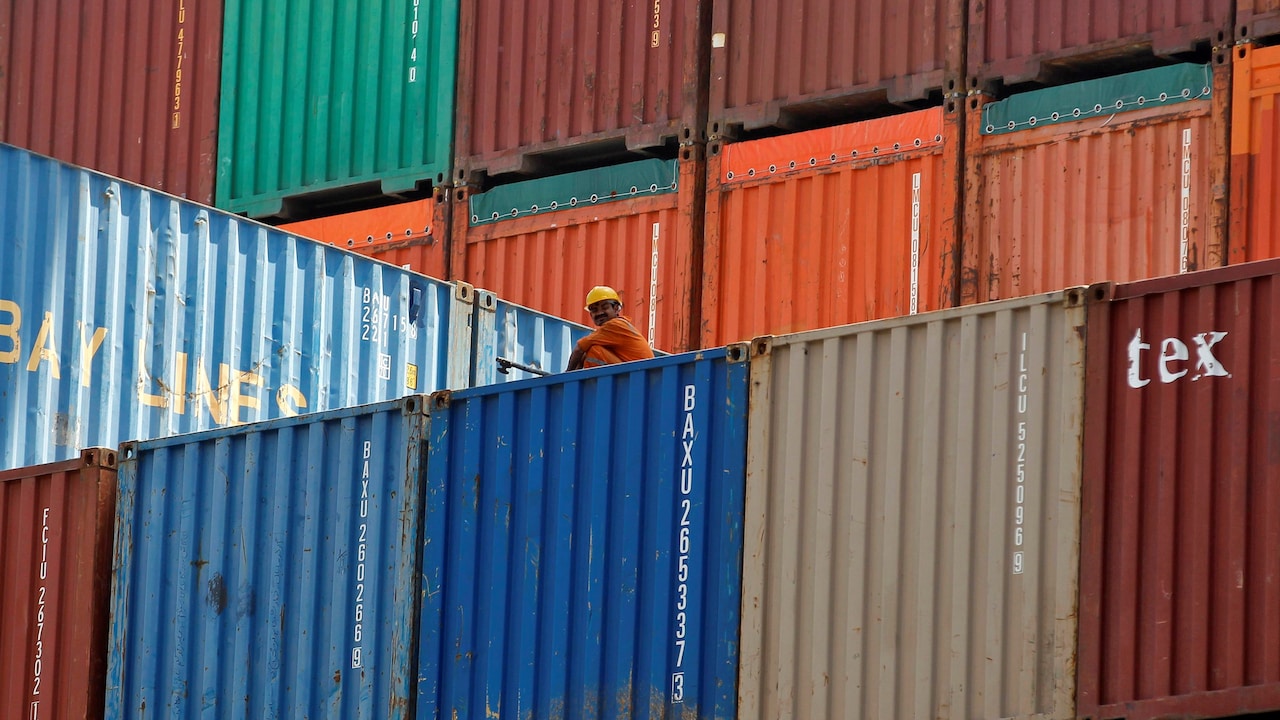
The United States has imposed a 10% tariff on goods imported from India, among 16 other nations, under Section 301 of the Trade Act of 1974. The measure, announced by US Trade Representative Jamieson Greer on Thursday, targets countries the US says have failed to adequately prohibit goods produced with forced labour. India was initially considered for a 12.5% tariff but secured the lower rate after productive discussions on labour practices, officials told ANI.
The tariffs, which take effect Friday, are part of a broader US action against 60 economies. Rates range from 10% to 12.5%, with India placed in the lower tier alongside the United Kingdom, Canada, Bangladesh, and Pakistan. The USTR statement said the action aims to correct 'both a human rights abuse and a distortive trade practice' and improve worker welfare globally.
Section 301 of the Trade Act gives the US president authority to impose tariffs or other measures against countries engaging in unfair trade practices. The Trump administration launched these investigations after the US Supreme Court ruled earlier this year that previous 'reciprocal tariffs' using emergency powers were illegal. The new tariffs replace a 10% levy on all countries that was set to expire.
India has contested both investigations, insisting that such issues can be resolved through the bilateral trade agreement currently under negotiation. New Delhi amended its foreign trade policy in June to prohibit the import of goods produced using forced labour, a move noted by the USTR in its final determination.
The US is India's second-largest trading partner and its largest export destination. According to Indian commerce department data, bilateral goods trade was valued at nearly USD 141 billion in 2025, with Indian exports accounting for USD 87.3 billion. The new tariff could affect a range of Indian exports, though specific products were not detailed in the announcement.