US and Iran Trade Military Strikes as Gulf Tensions Escalate
The ongoing dispute over commercial shipping in the Strait of Hormuz has escalated into direct military exchanges between the United States and Iran, with both sides launching attacks and issuing warnings. The conflict, which began with an Iranian drone strike on a cargo ship, has now drawn in US bases in Kuwait and Bahrain, raising fears of a broader regional confrontation.
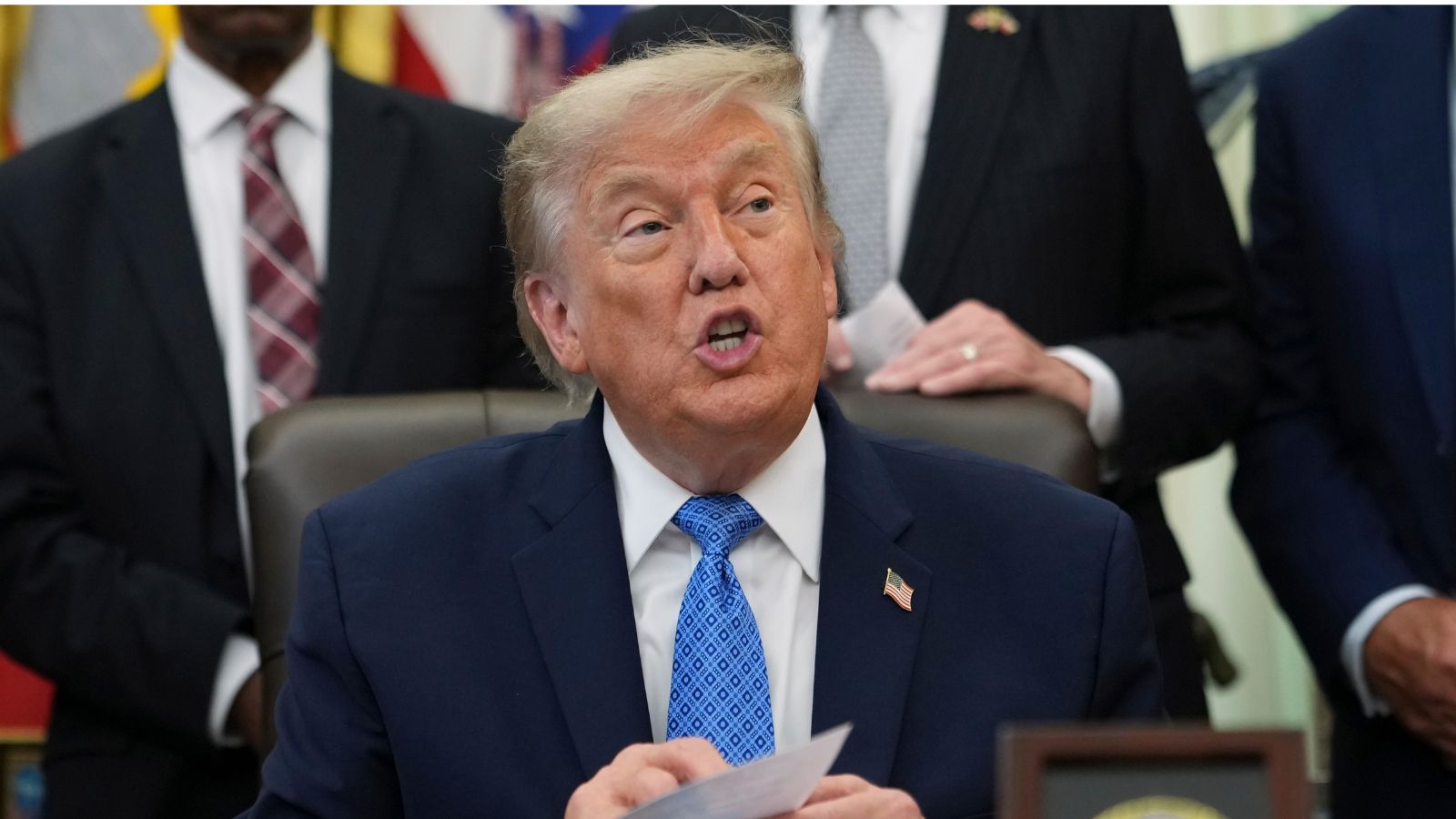
In a series of messages on Truth Social, US President Donald Trump confirmed that American forces had struck Iranian missile and drone storage sites and coastal radar positions for a second consecutive night. Trump accused Iran of violating a ceasefire agreement signed less than two weeks ago and warned that the US may be forced to 'militarily complete the job' if attacked again. He stated, 'If that happens, the Islamic Republic of Iran will no longer exist.'
In response, Iran's Islamic Revolutionary Guard Corps (IRGC) announced it had launched missile and drone operations targeting US military sites in Kuwait and Bahrain. The IRGC named Al Asad Air Base in Kuwait as one of the targets, while Bahrain, home to the US Navy's 5th Fleet, experienced air raid sirens and strikes on two separate occasions overnight. A US official told Reuters there were no reported American casualties or significant damage to US facilities, though the situation was still developing.
The IRGC issued a statement warning that the US strikes violated the ceasefire and would result in 'the complete halt of all diplomatic processes.' Its navy command added, 'The American bases in the region are a separate matter. They will experience hell in these days.' Iran's Ministry of Foreign Affairs condemned the US attacks as 'brutal' and accused Washington of not valuing its commitments, while reiterating Iran's determination to defend its sovereignty.
The current escalation follows a pattern of reciprocal strikes over the past three days. On Thursday, an Iranian drone struck the Singapore-registered cargo ship Ever Lovely in the Strait of Hormuz. The US retaliated with strikes on Friday, and Iran then struck the Panama-flagged oil tanker Kiku carrying crude oil early Saturday. The US struck back again on Saturday night, hitting ten Iranian military targets near the strait, according to the Associated Press.
The 14-point interim agreement, signed less than two weeks ago, was intended to halt hostilities, reopen the strait, and create space for broader negotiations on Iran's nuclear programme and enriched uranium stockpile. The ceasefire, which had included one round of talks led by US Vice President JD Vance and Iranian officials, now appears in jeopardy. Vance had warned Iran to 'pick up the phone' if it had concerns about the terms, adding that 'violence will be met with violence.'
As both sides remain entrenched in their positions, the region faces the prospect of a sustained conflict, with international shipping in the Strait of Hormuz—a critical chokepoint for global oil supply—disrupted and diplomatic channels strained.