US and Iran sign memorandum of understanding; Israel raises concerns
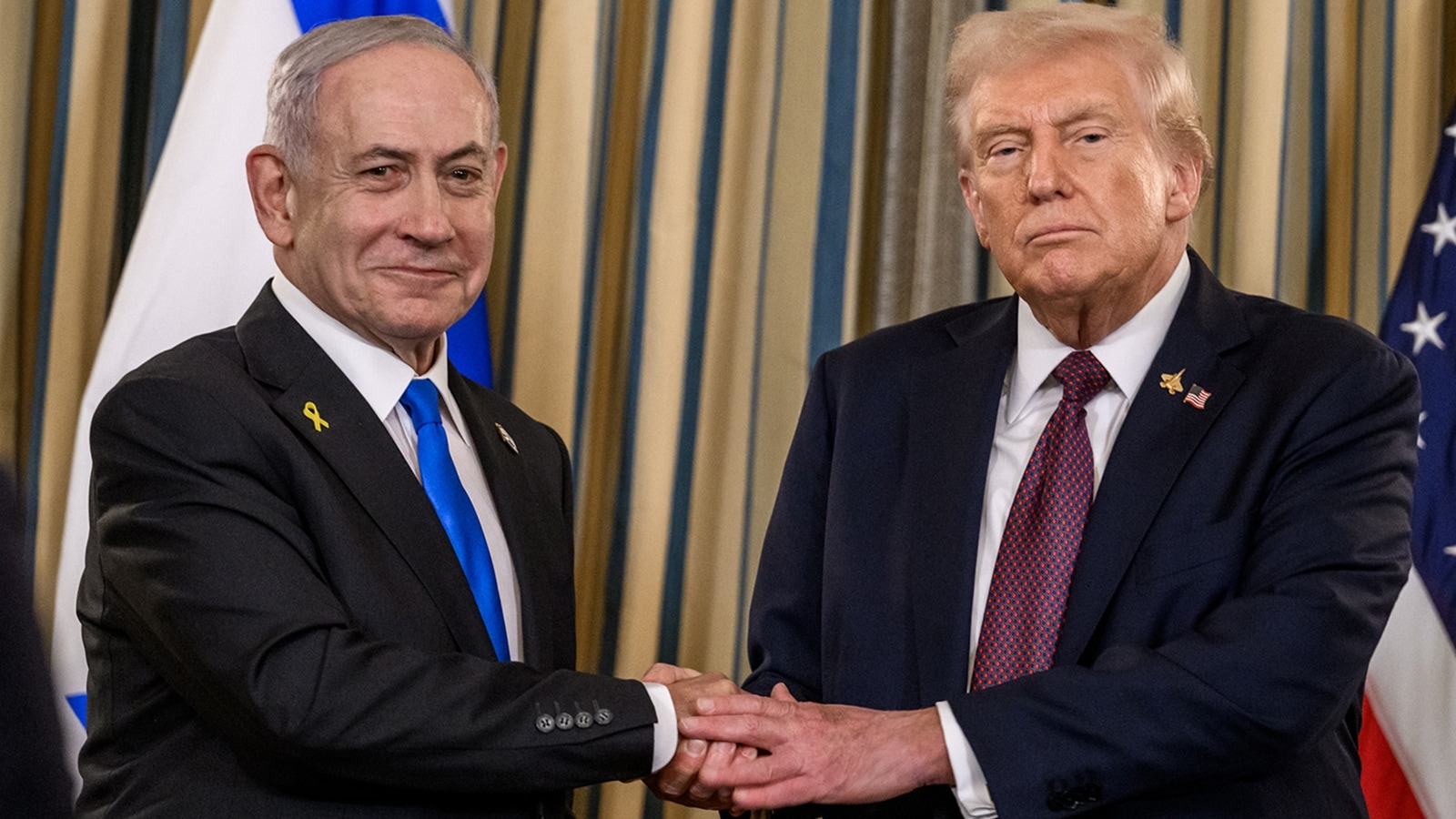
United States President Donald Trump has formally signed a memorandum of understanding with Iran, a deal aimed at ending hostilities in West Asia and initiating negotiations over Iran's nuclear programme. Israeli Prime Minister Benjamin Netanyahu has not publicly commented on the agreement, but reports indicate concerns within Israeli official circles.
The agreement, as reported by Axios, includes a permanent end to hostilities and establishes a 60-day period for final talks on Iran's nuclear programme. It also calls for the reopening of the Strait of Hormuz, a key passage for global oil and natural gas, which had been closed and contributed to an energy crisis. According to drafts from both countries, the strait will be opened without tolls for two months, with future fees not precluded.
In return, the United States will move to waive, but not eliminate, some sanctions against Iran. The deal also affirms commitment to Lebanon's territorial integrity, a point of contention as Israel has conducted operations against Hezbollah in southern Lebanon. Iran has stated that Israel must withdraw under the agreement, a condition Israel has rejected.
Netanyahu, who is facing a general election in four months, has long advocated for a强硬 stance against Iran and its allies. Israeli officials reportedly view the deal as a strategic setback, though they have avoided public denunciations. Israeli media, particularly pro-Netanyahu outlets, have criticised the agreement and President Trump.
The memorandum of understanding came as a surprise to Netanyahu, with Israeli officials stating they had not been allowed to review the final text before the announcement. US officials noted that Israel was briefed but did not request the final text, which was later provided.
The agreement has drawn support from several Gulf nations, including the United Arab Emirates, which has a history of hawkish positions towards Iran. In Washington, the Republican Party and media have largely refrained from criticising the deal.
According to Axios, Netanyahu remains sceptical of the agreement and believes the conflict should have continued. However, he is unable to publicly oppose the accord without risking a direct confrontation with Trump. The deal also provides for Iran to receive at least $300 billion for reconstruction, dependent on progress in further negotiations.
Trump thanked Netanyahu for cooperation during the war but made a critical remark about Netanyahu's judgment regarding a strike in Beirut that delayed the deal.