US and Iran Sign Memorandum of Understanding: A Fragile Ceasefire Amid Controversy

After 40 days of conflict and over 60 days of intense negotiations, the United States and Iran signed a memorandum of understanding (MoU) on June 15, aiming to end hostilities and pave the way for broader discussions. The agreement has sparked significant geopolitical reactions, with Israel opposing it strongly, causing tensions between Washington and Tel Aviv. US President Donald Trump, who previously withdrew from the 2015 Iran nuclear deal (the JCPOA) calling it the "worst deal," now faces domestic criticism for concessions made to Tehran. Iranian leaders claim victory, stating the MoU terms reflect their success. However, this is not a final settlement; it is an interim arrangement.
Key Provisions of the MoU
The opening article calls for a ceasefire on all fronts, including Lebanon, and requires both sides to respect each other's sovereignty and refrain from interfering in internal affairs. The US has lifted its naval blockade of Iranian ports, while Iran has agreed to remove restrictions on the Strait of Hormuz. Iran must also clear all impediments, including mines, within 30 days of signing.
One contentious issue was Iran's demand for access to its frozen funds and war reparations. The text states that Iran's frozen funds will be unfrozen contingent on progress in phase two of talks, without specifying amounts or timelines. Iranian state media reported a demand of $24 billion. President Trump and Vice President J.D. Vance have stated that no American money will be paid to Iran; the frozen funds are Iranian assets held in banks worldwide under US sanctions. Lifting sanctions would allow countries and banks to transfer those funds.
The US also agreed to work with regional countries on a reconstruction and redevelopment plan for Iran, involving $300 billion in financing. Iran would have access to these funds only if a final settlement is reached.
Iran's Commitments
Iran has pledged never to develop a nuclear weapon, a position it has maintained for years and also made in the 2015 JCPOA. More contentious issues, such as Iran's possession of 60% enriched uranium and its enrichment capabilities, are deferred to phase two. However, both sides have agreed to "downblend" (dilute) Iran's enriched material under International Atomic Energy Agency (IAEA) supervision. Other nuclear matters will be part of final negotiations.
Both sides have agreed to maintain the status quo until a final deal: Iran will not expand its nuclear program, and the US will not impose additional sanctions or deploy more troops to the region. Upon signing, the US will issue waivers for Iran's crude oil, petroleum products, and related exports, including banking, insurance, and transportation services.
Israel's Opposition
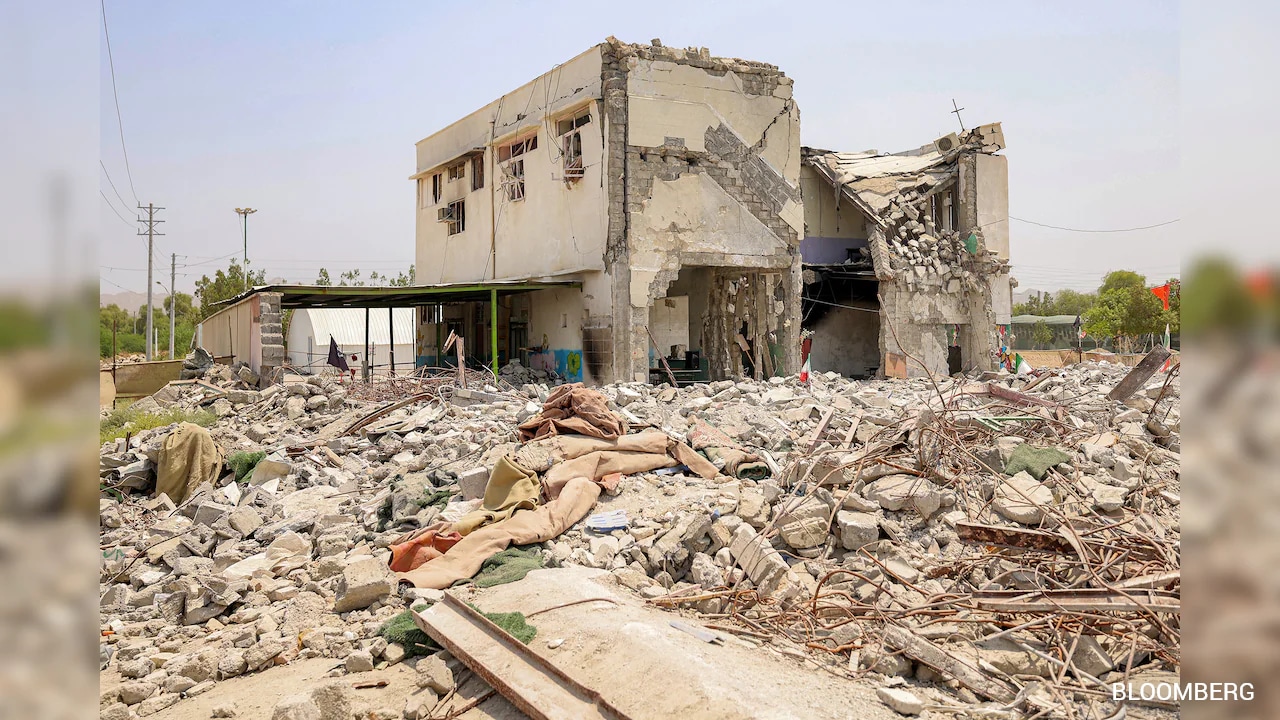
For Israel, the US-Iran deal represents a significant strategic setback. Israel initiated the war on February 28 with the US, aiming for regime change in Iran, destruction of its nuclear and missile capabilities, and cessation of support for non-state allies like Hamas, Hezbollah, and the Houthis. Historically, Israel has advocated for military action against Iran, with former US officials noting Israeli pressure on previous administrations. The agreement is seen as undermining Israeli security objectives.
The MoU halts immediate conflict but leaves core issues unresolved. The coming weeks will test whether both sides can build trust and move toward a comprehensive agreement.