Trump signals imminent Strait of Hormuz deal as Iran-Oman talks progress

U.S. President Donald Trump said on Tuesday that an agreement on the Strait of Hormuz could be announced as early as Wednesday or Thursday, as Iran and Oman made progress in talks to reopen the critical waterway. Speaking to reporters in California, Mr. Trump said, "It could happen. Tomorrow or the next day," adding that "a lot of progress has been made."
The possible agreement, according to two regional officials who spoke to The Associated Press on condition of anonymity, would see ships enter the Persian Gulf through an Iranian-controlled route and exit through an Omani-controlled route. Service fees would be charged for providing security and preserving the marine environment, the officials said. However, negotiations are still underway, and the final agreement could take a different form, with any deal linked to lifting the U.S. blockade on Iran's ports.
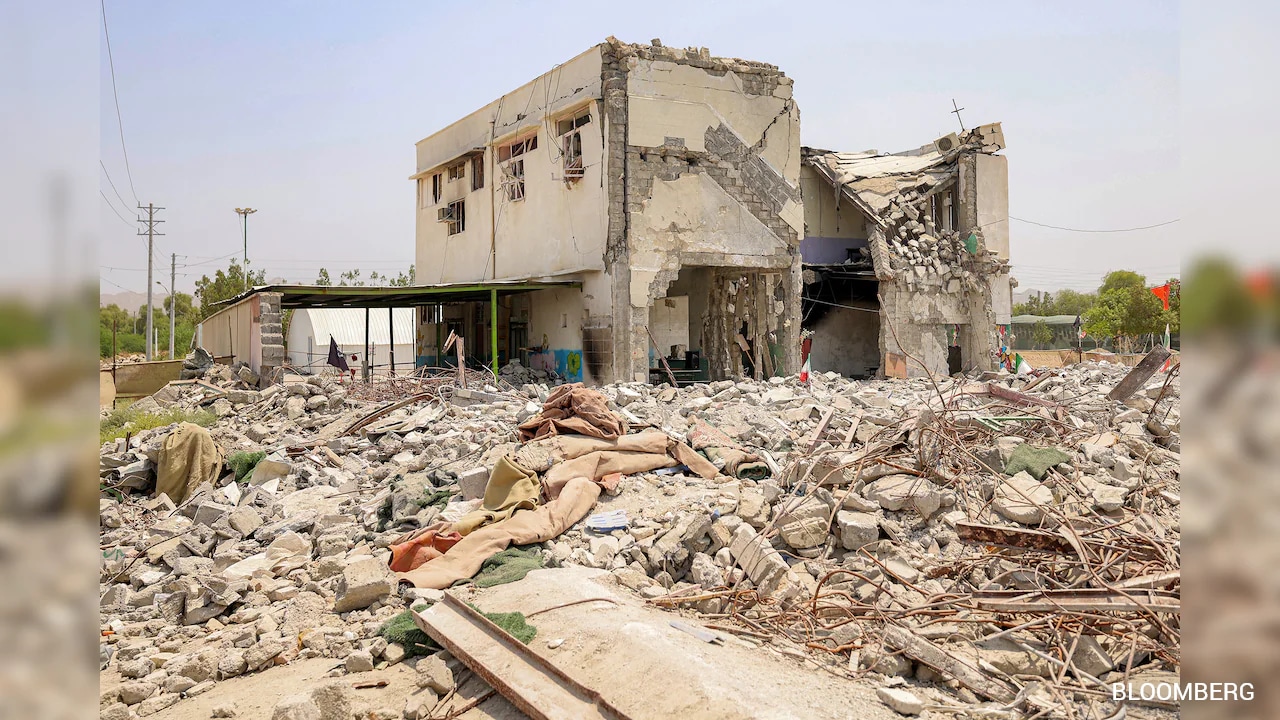
The Strait of Hormuz is a vital maritime passage through which nearly one-fifth of the world's oil and natural gas flows. Since the start of the war—which began with attacks by the United States and Israel on Iran on February 28—shipping through the waterway has been severely reduced due to Iran's strikes. Oil prices eased on hopes of a deal, with Brent crude slipping by 1.2% to $78.43 per barrel early Wednesday.
Mr. Trump has publicly opposed tolls in the strait. On Monday, he reiterated, "I'm not going to let them charge. Anybody's going to charge, we'll charge." The Trump administration has previously ruled out any deal that would give Iran control over the strait, describing it as an open international waterway.
Iranian Foreign Ministry spokesman Esmail Baghaei said Tuesday that Tehran's talks with Oman focused on "establishing safe inbound and outbound shipping lanes" that "uphold sovereign rights while also addressing the national security considerations of both Iran and Oman." He added that final results would be announced once concluded, according to Iran's state-run IRNA news agency.
U.S. Secretary of State Marco Rubio confirmed progress but said there was "not finality yet." He has previously cautioned that giving Iran control over the strait would set a "very dangerous precedent" globally. U.S. Treasury Secretary Scott Bessent told CNBC that "there is a chance we may have a deal today or tomorrow to open the strait and move towards a more normalised position in this conflict."
Meanwhile, Arab countries are attempting to broker an end to the war. Qatar's emir, Sheikh Tamim bin Hamad Al Thani, spoke with President Trump by phone on Tuesday. His office said the two discussed ways to bridge differences "in a way that enhances the prospects of reaching a sustainable diplomatic settlement to the crisis."
Mr. Trump faces mounting pressure to end the conflict, which has driven up petrol prices ahead of midterm elections and depleted some U.S. munitions supplies. In recent days, he has alternately threatened massive strikes and voiced support for diplomatic efforts. On Monday, he said the U.S. was in talks with Iran, describing it as Tehran's "last chance" to reach a deal.