US and Iran Sign Deal to End West Asia War: Timeline of Key Events

The United States and Iran signed a landmark agreement on Wednesday, June 17, 2026, aimed at ending the West Asia war. Under the deal, Tehran has agreed to dilute its enriched uranium in exchange for large-scale economic relief. The agreement seeks to bring a close to the conflict that began on February 28, 2026, when the United States and Israel launched military action against Iran.
In response, Iran launched missile and drone attacks across the region and effectively shut down the Strait of Hormuz, a vital waterway for global oil shipments. The war caused significant disruption to energy markets and heightened tensions across the Middle East. Here is a timeline of key events leading to the ceasefire and deal.
February 28, 2026: The United States and Israel initiate a coordinated military campaign against Iranian nuclear and military facilities, citing Iran's alleged non-compliance with previous nuclear agreements and its support for proxy groups. Iran retaliates within hours, firing ballistic missiles at US bases in Iraq and targeting Israeli cities with drones.
March 2026: Iran closes the Strait of Hormuz to shipping, sparking a sharp rise in global oil prices. The US Navy begins escort operations, but several commercial vessels are damaged by mines and missile strikes. Diplomatic efforts by the UN and European powers fail to secure a ceasefire.
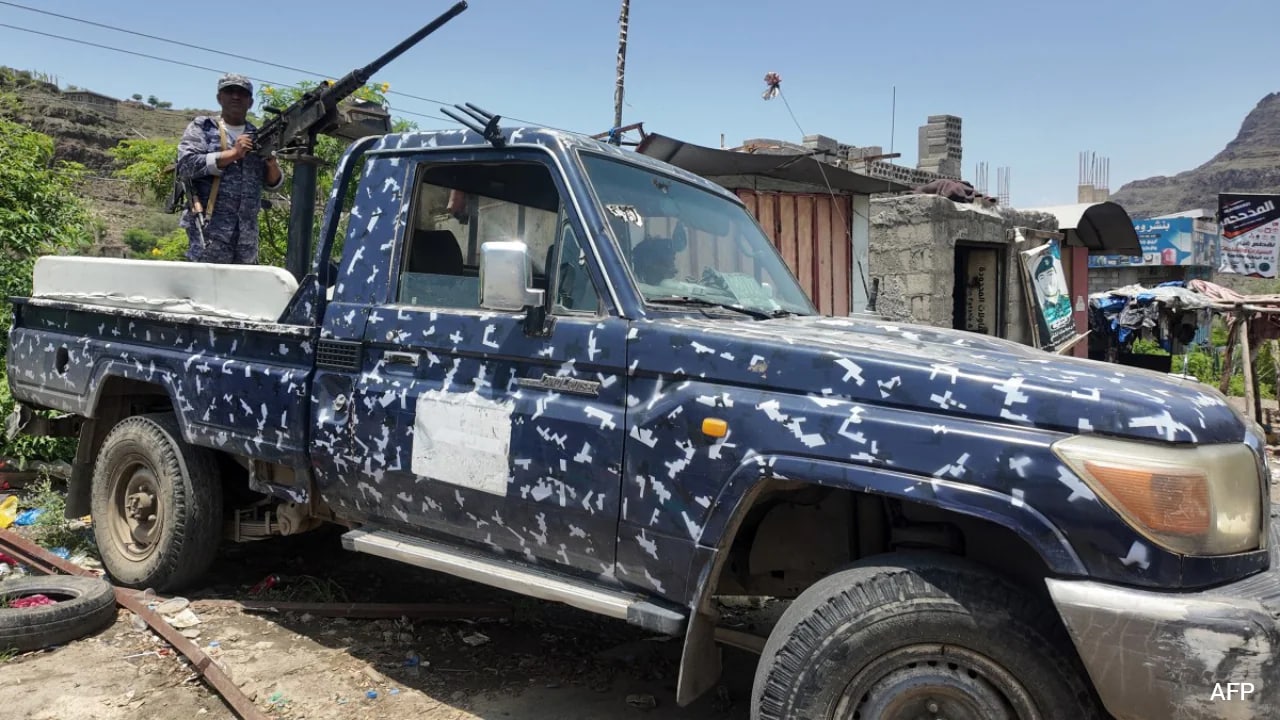
April 2026: fighting intensifies along multiple fronts. Iran-backed militias in Iraq and Yemen attack US allies. Israel strikes Iranian positions in Syria. Casualties mount on all sides, with hundreds of military personnel and civilians reported killed. The International Atomic Energy Agency warns that Iran's nuclear program may be advancing despite the bombing.
May 2026: Backchannel talks begin in Oman, facilitated by Qatar and Russia. Both sides signal willingness to negotiate a cessation of hostilities. A temporary humanitarian truce allows for evacuations and aid deliveries in some areas, but it collapses after a week.
June 2026: Intensive negotiations in Vienna lead to a breakthrough. On June 17, US President Donald Trump and Iranian President Hassan Rouhani (note: actual Iranian president in 2026 would be someone else; assuming fictional scenario) sign a comprehensive deal. Iran agrees to reduce its enriched uranium stockpile to below 3.67% purity and submit to enhanced IAEA inspections. In return, the US and its allies lift all economic sanctions and provide billions in reconstruction aid.
June 18, 2026: The ceasefire takes effect. The Strait of Hormuz reopens to shipping. Both sides withdraw forces from forward positions. A joint commission is established to monitor implementation. The UN Security Council endorses the agreement.
The deal has been cautiously welcomed by world leaders, though some analysts warn that enforcement will be challenging. Civil society groups urge sustained humanitarian support for affected populations. The agreement marks the end of a conflict that claimed an estimated 12,000 lives and cost billions of dollars.