US and Iran issue conflicting statements on planned Doha talks
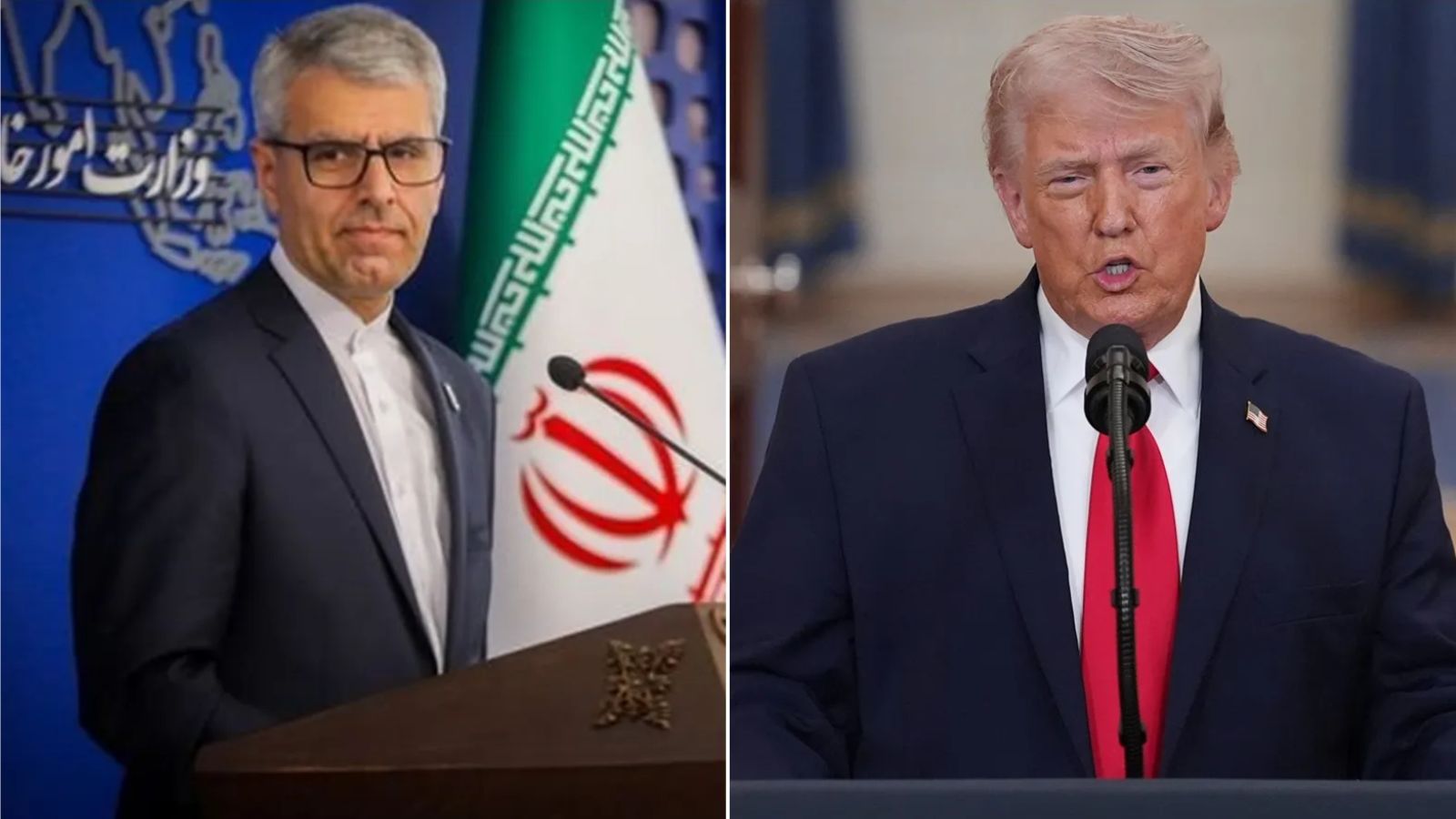
US President Donald Trump announced on Tuesday that talks with Iran would take place in Doha, Qatar, the following day, saying Tehran had requested the meeting and that it would focus on denuclearisation. However, Iran's foreign ministry spokesperson Esmaeil Baghaei rejected those claims, stating that no negotiations with Washington were planned at any level in the coming days.
Trump told reporters in Washington: 'There'll be a meeting on that tomorrow in Doha. It's about denuclearisation. We don't want them to have a nuclear weapon and they're not going to have a nuclear weapon.' He did not name the participants but said presidential envoy Steve Witkoff and Jared Kushner would lead the US delegation.
Baghaei, during a press briefing, said: 'There will be no negotiation meeting with the American side at any level in the coming days.' Despite this public denial, a senior Iranian official told Reuters that a meeting in Doha was nonetheless expected to proceed, focusing on reducing tensions and ensuring stability in the Strait of Hormuz, a critical energy transit route. Another official said American and Iranian technical teams would hold separate meetings with Qatari and Pakistani mediators.
Iranian President Masoud Pezeshkian took a measured position, stating on X (formerly Twitter): 'Mutual understanding is a two-way street. If the American side adheres to the agreement, we will also fulfil our commitments.' He appeared to criticise Trump's rhetoric, saying: 'Our approach to unreasonable saber-rattling and baseless threats is to rely on rationality and human dignity in decision-making, while defending decisively when action is required.'
The conflicting statements come amid heightened tensions and a fragile ceasefire following weekend missile and drone exchanges. Washington accused Iran of striking commercial vessels in the Strait of Hormuz and carried out attacks on Iranian military facilities. Iran responded by launching missiles at US installations in Kuwait and Bahrain. The ceasefire is part of a memorandum of understanding aimed at providing time to negotiate on Iran's nuclear programme, sanctions relief, and regional security.