UPSC uses AI to reject 569 ineligible candidates at Prelims stage
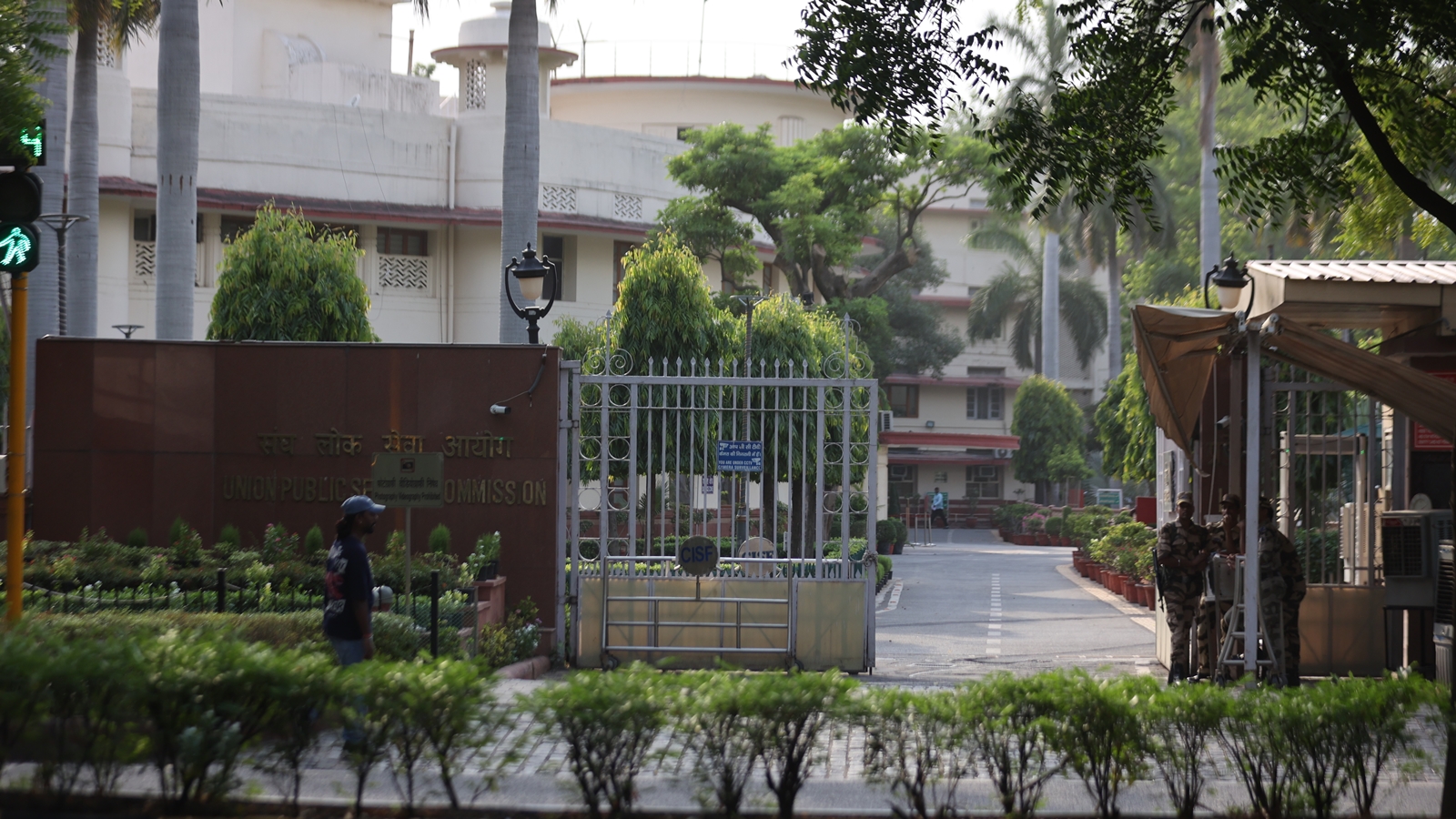
In a first, the Union Public Service Commission (UPSC) has used artificial intelligence to identify and reject 569 ineligible applications for the Civil Services (Preliminary) Examination, 2026, at the preliminary stage itself. The rejected applications include multiple entries by the same individual and candidates who had exhausted the maximum number of attempts allowed.
This move comes two years after IAS trainee Puja Khedkar was dismissed from service in 2024. Khedkar had appeared for the Civil Services Examination (CSE) in 2022 despite exhausting her attempts by changing her name and her parents' names. The UPSC later cancelled her candidature. Previously, such checks were carried out only at the interview stage, after candidates had cleared the preliminary and main examinations.
As per rules, general category candidates are allowed six attempts up to the age of 32 years; OBC candidates nine attempts up to 35 years; and SC/ST candidates have unlimited attempts up to 37 years.
This year, 8.18 lakh candidates registered for the examination held on May 24, with 5.49 lakh actually appearing. The number of applicants decreased from 9.5 lakh in 2025, which UPSC sources attribute partly to new steps introduced this year, including Aadhaar-based authentication and AI-driven de-duplication.
The UPSC launched a new portal last year that allowed Aadhaar authentication for the 2026 exams. About 94% of applicants opted for this, ensuring unique identification. For the remaining 49,000 applicants, the UPSC used AI to detect duplicates by cross-referencing names, parents' names, dates of birth, and photos using a 15-year database.
In addition to detecting duplicate and multiple applications, the AI tool checked if candidates had exhausted their allowed attempts or exceeded the age limit. This led to the rejection of 569 applications for the CSE and 69 applications for the Indian Forest Service examination held on the same day.
The UPSC also used AI to check for changes in social category from previous attempts—something also previously verified only at the interview stage. A total of 43,497 candidates were flagged for category changes. The commission sent emails to all of them to verify the change. Many cited that they had initially applied under the general category due to lack of timely certificates. Ultimately, 133 applications were cancelled as part of this exercise because the candidates had crossed the allowed number of attempts for their respective categories.
UPSC Chairman Ajay Kumar said, “Technology must serve the cause of fairness. This year, UPSC undertook a de-duplication exercise at the Prelims examination application stage to ensure that every genuine candidate is correctly identified and that fraudulent or multiple applications are detected and eliminated. The exercise relies on secure comparison with the Commission’s existing database while ensuring that candidates’ information remains fully protected. UPSC strives to create a level playing field for every candidate, and technology is an important enabler in achieving that objective.”