Supreme Court refuses to mandate biometric attendance in schools, asks petitioner to move High Court
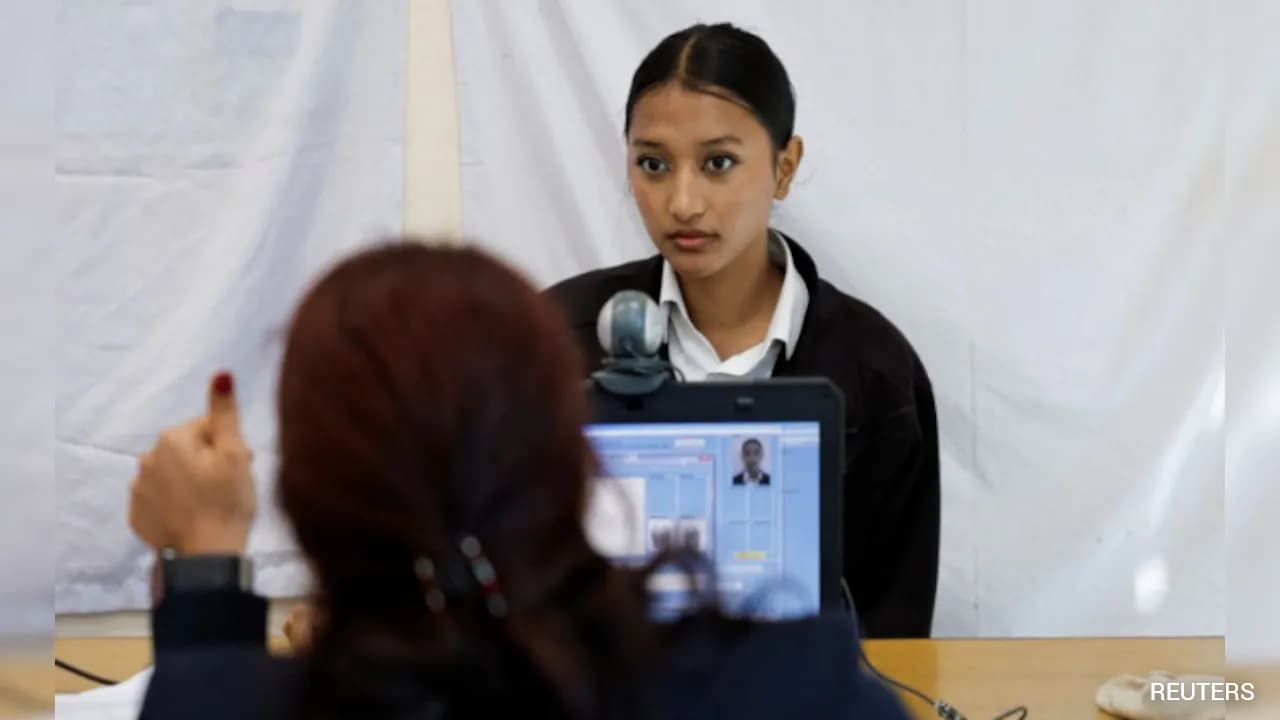
The Supreme Court on [date] declined to entertain a public interest litigation (PIL) seeking mandatory biometric attendance for school students across India. The petition, filed by advocate N K Goswami, aimed to address the issue of "dummy" schools—institutions where students remain enrolled but do not attend regular classes.
A bench of Justices P Narasimha and Alok Aradhe said it was not inclined to hear the plea directly under Article 32 of the Constitution, which allows citizens to approach the Supreme Court for enforcement of fundamental rights. Instead, the court gave the petitioner the liberty to approach the concerned High Court with the same grievances.
The PIL sought directions to the Centre and state governments to introduce a biometric attendance system for school students. It also called for a statutory limit on the number of hours students can spend at coaching centres. The petitioner argued that many students spend a substantial portion of their day in coaching classes while remaining enrolled in schools, which defeats the purpose of formal education.
The petition further requested a mandatory Code of Conduct for coaching centres. The proposed rules would prohibit institutes from manipulating their success data and from using photographs of toppers in advertisements in a manner that could mislead students and parents. Greater transparency in how coaching institutes present their results and student achievements in promotional campaigns was also sought.
The court's decision does not bar the petitioner from raising these issues before a High Court. In fact, the bench explicitly granted liberty to pursue the matter there. This is consistent with the Supreme Court's practice of not directly entertaining PILs that could be effectively addressed by High Courts, unless a substantial question of law of general importance is involved.
The concern over "dummy" schools is not new. Education experts have pointed out that some students, particularly those preparing for competitive examinations, enrol in regular schools to fulfil formal requirements while actually attending coaching centres. This practice can lead to poor attendance, lack of engagement with school curriculum, and in some cases, a complete disconnect from the school environment.
Coaching centres, on the other hand, have grown exponentially in India, often operating without adequate regulation. There have been instances of misleading advertising, inflated success claims, and undue pressure on students. The proposed Code of Conduct aimed to bring accountability to this sector, ensuring that students and parents are not misled by unverified claims.
Article 32 is a fundamental right in itself, often described as the "heart and soul" of the Constitution. It empowers citizens to approach the Supreme Court directly for remedies when fundamental rights are violated. However, the Supreme Court has consistently held that it may refuse to exercise this jurisdiction if the petitioner has an alternative, equally efficacious remedy, such as approaching a High Court under Article 226.
In this case, the Supreme Court's decision to redirect the petitioner to the High Court does not amount to a rejection of the underlying concerns. It allows the petitioner to present the case before a court that is closer to the local context, which may be better suited to examine the specific issues related to schooling and coaching centres in different states.
The ruling highlights the judiciary's reluctance to issue broad, sweeping directions without a detailed examination of facts. Biometric attendance in schools, for instance, raises questions about privacy, infrastructure, and practicality in rural and economically weaker areas. Similarly, limiting time at coaching centres could have unintended consequences for students preparing for competitive exams.
As the petitioner considers the next steps, the debate over dummy schooling and the role of coaching centres continues. Whether a High Court will take up the matter remains to be seen, but the issues raised in the PIL are likely to remain relevant in the ongoing discourse on education reform in India.