UPSC EWS Quota Under Scrutiny: IIT Graduates, MNC Employees Among Beneficiaries, Investigation Reveals
The Economic Weaker Section (EWS) quota in India's civil services examination is facing fresh questions after an investigation by The Indian Express revealed that a significant number of beneficiaries come from privileged backgrounds.
The probe examined all 104 candidates selected under the EWS quota in the 2025 Civil Services Examination. While the list includes inspiring stories of genuine economic hardship—such as a railway porter's daughter and a bus conductor's son—it also features at least 14 graduates from the Indian Institutes of Technology (IIT), 67 candidates who attended premium coaching institutes, 28 whose parents run businesses, and 10 who held jobs at multinational corporations (MNCs) or large software firms before beginning their UPSC preparation.
These findings raise serious concerns about whether the reservation, designed for economically disadvantaged sections among the general category, is reaching those who need it most. The EWS quota, introduced in 2019, provides 10% reservation in government jobs and educational institutions for individuals with an annual family income below ₹8 lakh, excluding certain assets. However, the presence of candidates with high-earning potential or access to expensive coaching has sparked debate about the effectiveness of the current income-based criteria.
The investigation highlights a 'grey zone' in eligibility assessment, where income limits may not capture the full picture of a candidate's socio-economic background. Experts suggest that the criteria need to be tightened to include factors such as parental education, occupation, and assets beyond income.
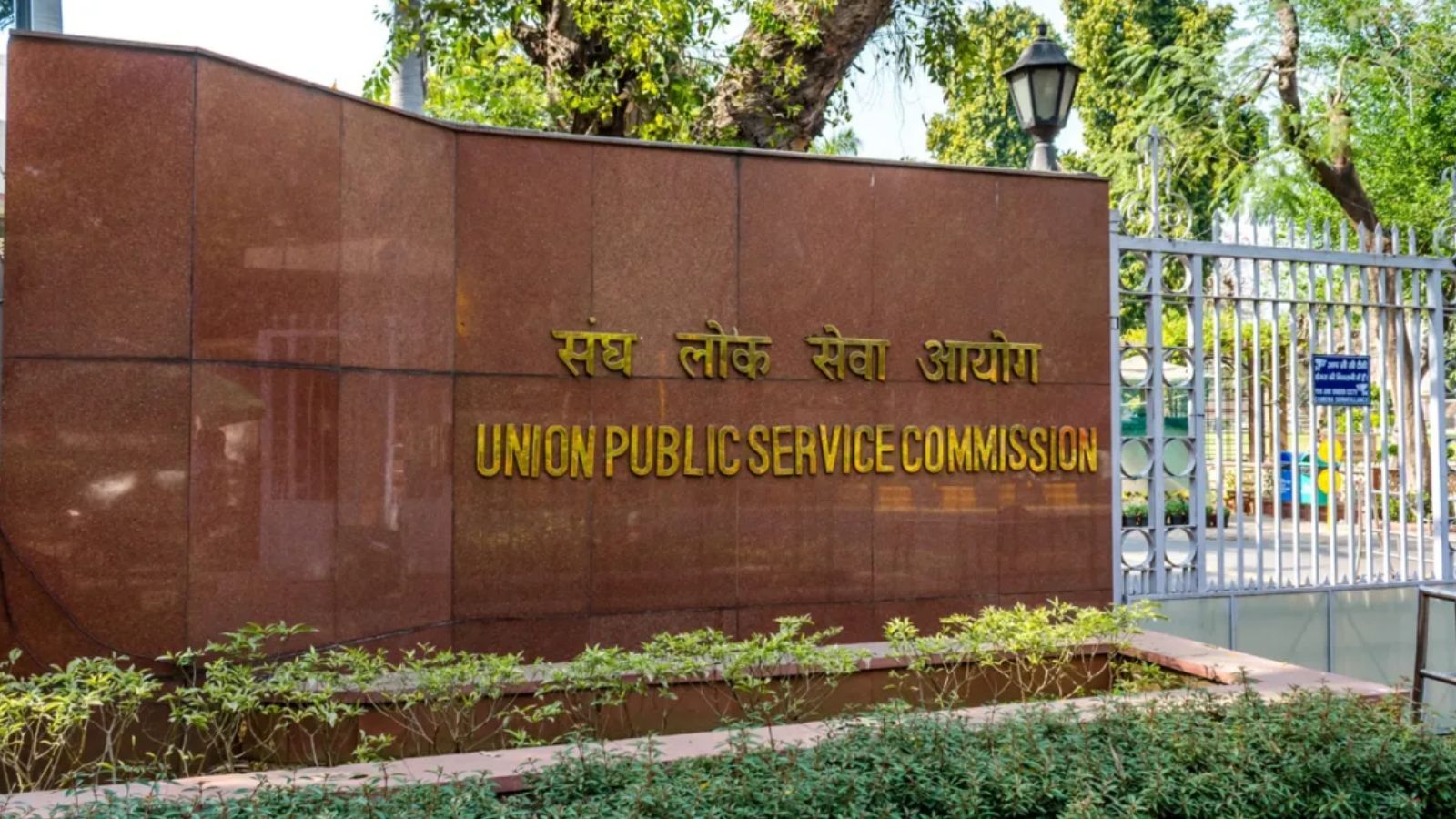
The Union Public Service Commission (UPSC) has not yet commented on the findings. However, the issue is likely to reignite discussions on reservation policies and their implementation in India's most competitive examination.
While the quota has been a tool for social mobility, this investigation underscores the need for periodic review to ensure that benefits are not co-opted by the relatively affluent.


