UP Deputy CM’s Remarks on Madrassa Education Draw Criticism
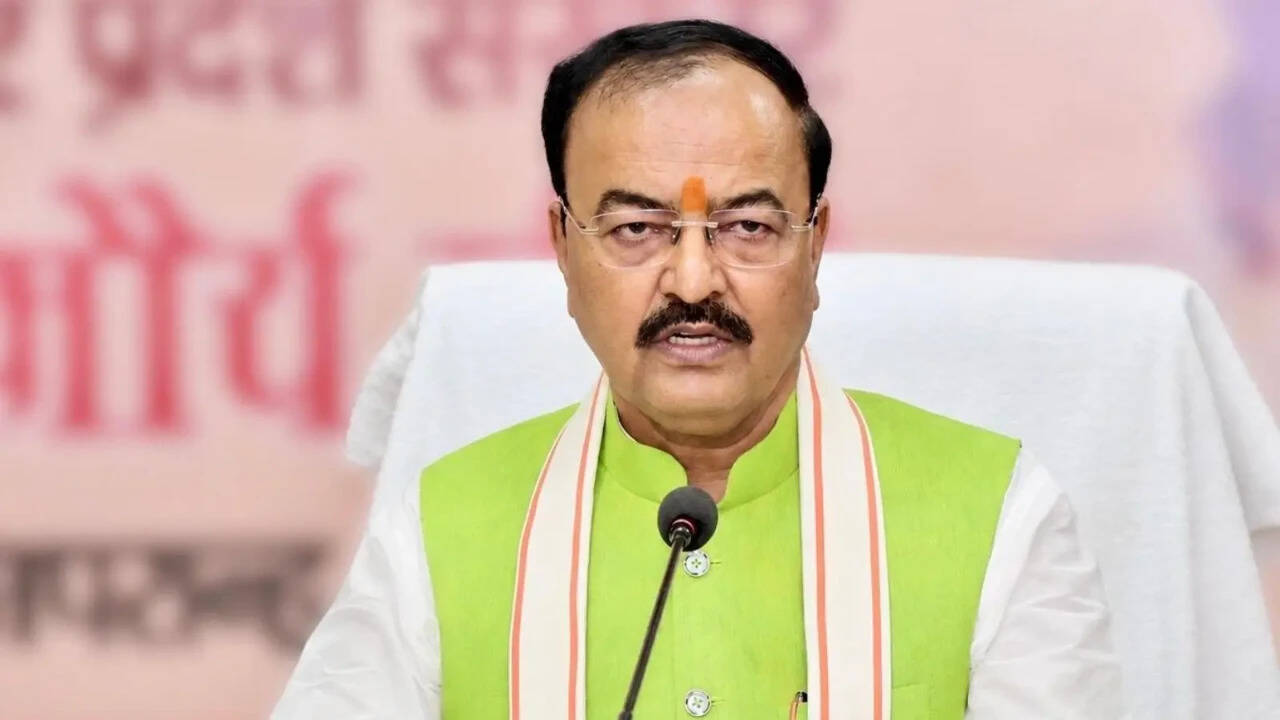
Lucknow, February 2024: Uttar Pradesh Deputy Chief Minister Keshav Prasad Maurya has triggered a political row with his remarks about madrassa education. Speaking at an event, Mr. Maurya said that students educated in madrassas do not chant 'Bharat Mata Ki Jai', a patriotic slogan. His comments were widely reported as an allegation that madrassa pass-outs develop a 'terrorist-like mindset'.
Mr. Maurya, who is also the state's Minister for Public Works, made the statement while addressing a gathering. The exact wording, as reported by news agencies, was: "Anyone who receives a madrassa education does not chant 'Bharat Mata Ki Jai'." He did not provide evidence or examples to support this claim.
The remarks immediately drew sharp reactions from opposition parties and Muslim community leaders. Samajwadi Party leader and former Chief Minister Akhilesh Yadav accused the BJP of spreading hatred. "Such statements are meant to divide society. Madrassas have produced doctors, engineers, and patriots who have served the nation," he said in a post on social media.
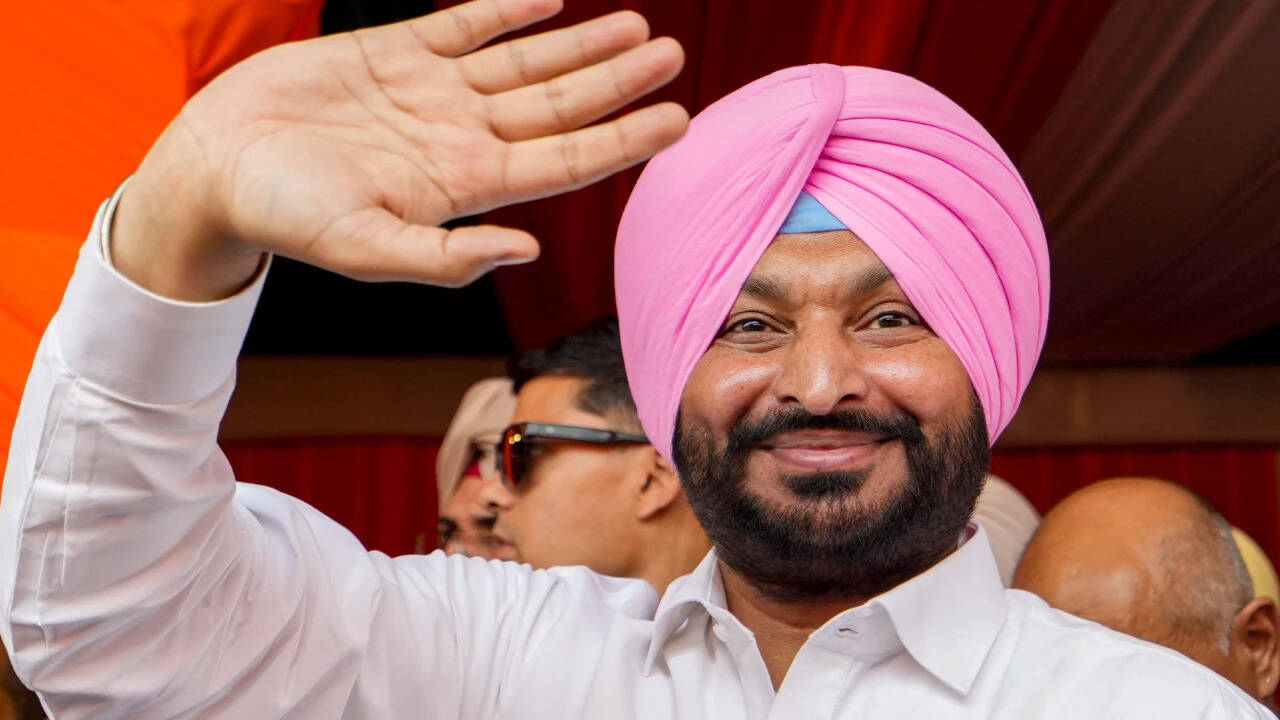
Congress spokesperson Harjot Singh Bains also condemned the statement, calling it "regrettable and irresponsible." He stated that the Deputy CM should apologise for casting aspersions on an entire community. The All India Muslim Personal Law Board and other organisations scheduled protests in several districts.
In response, Mr. Maurya defended his remarks, insisting that he was highlighting a 'reality' and that his words were taken out of context. He said, "I have always respected all religions and communities. My point was that madrassas should teach patriotism and modern education alongside religious instruction."
Madrassa education in India has been a contentious issue. These traditional Islamic schools are often credited with providing free education to children from marginalised families, particularly in rural areas. However, successive governments have pushed for a modernised curriculum, including science, mathematics, and computer studies. The Uttar Pradesh government has in recent years initiated moves to regulate and bring madrassas under the mainstream education system.
The controversy comes amid a series of polarising statements by political leaders ahead of the upcoming general elections. Political analysts note that such remarks can energise support bases but also risk deepening communal divisions.
The state government has not issued an official statement clarifying Mr. Maurya's position. However, officials from the Chief Minister's Office indicated that the Deputy CM's remarks were not intended to target any community. They suggested that the focus should remain on improving educational standards in all schools, including madrassas.
Meanwhile, educators and civil society members have expressed concern over the impact of such statements on students studying in madrassas. A teacher from a madrassa in Rampur, who requested anonymity, said, "Our students are taught to respect the nation and its Constitution. It is painful that a senior leader is questioning their loyalty."
The incident has also revived debates about the definition of patriotism. While some view the chanting of slogans like 'Bharat Mata Ki Jai' as an expression of nationalism, others argue that patriotism cannot be determined by slogans alone. The Supreme Court, in the 2018 case of Shreya Singhal vs. Union of India, had observed that forced displays of patriotism are not in line with constitutional values.
As the political discourse heats up, the demand for an apology or a clarification is likely to grow. Opposition parties and civil rights groups have said they will continue to press the matter until the Deputy CM retracts his statement. The issue is expected to be raised in the upcoming session of the Uttar Pradesh Legislative Assembly.