Rival Marches in Delhi: Rahul Gandhi's 'Chalo Dilli' and BJP's 1984 Remembrance March
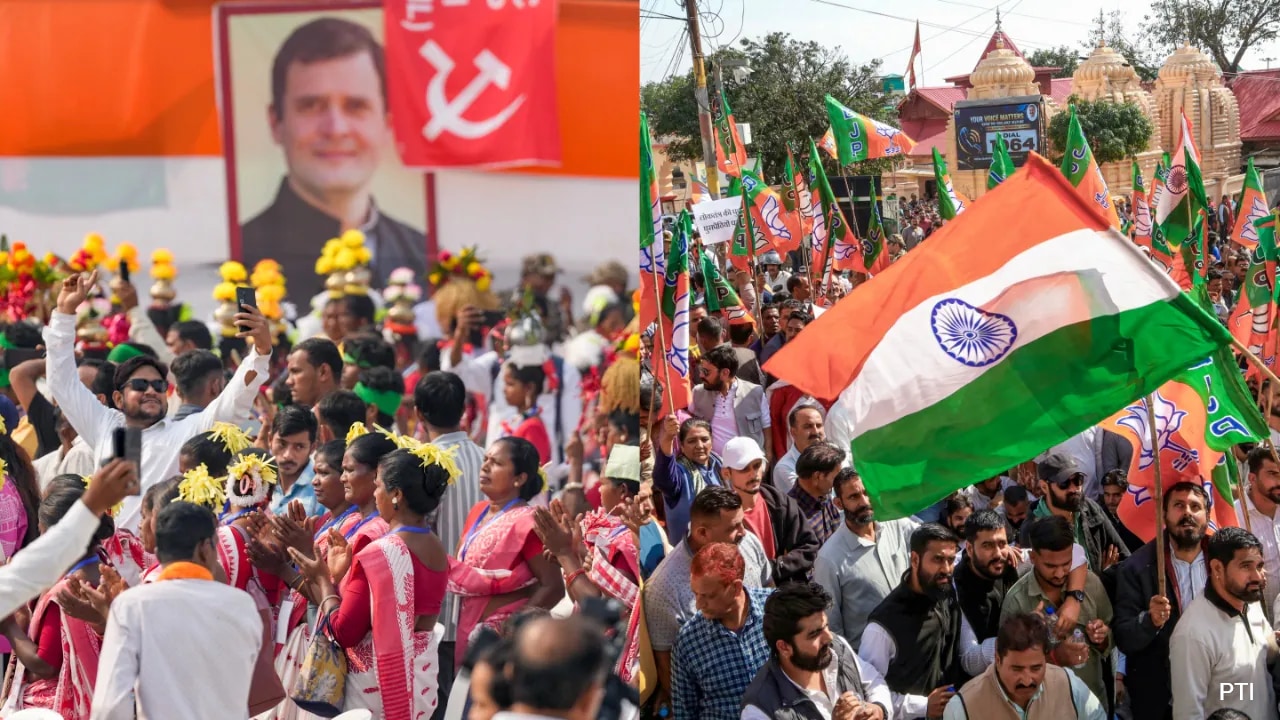
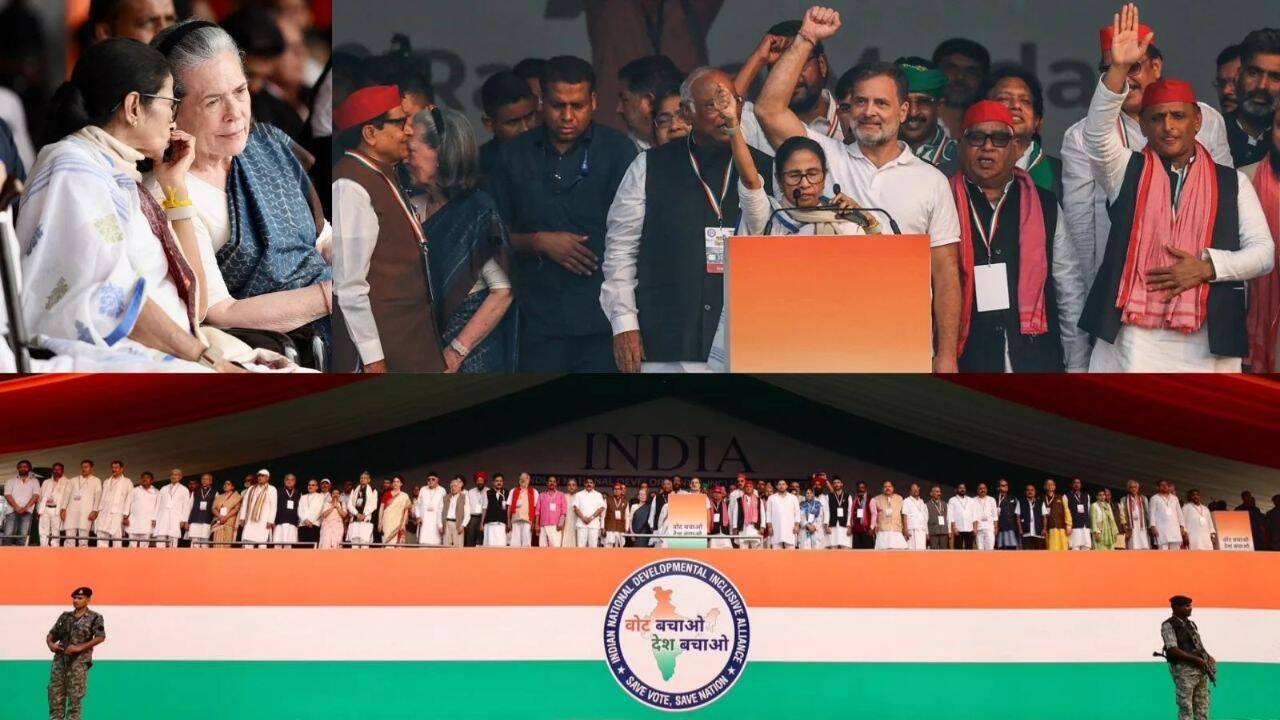
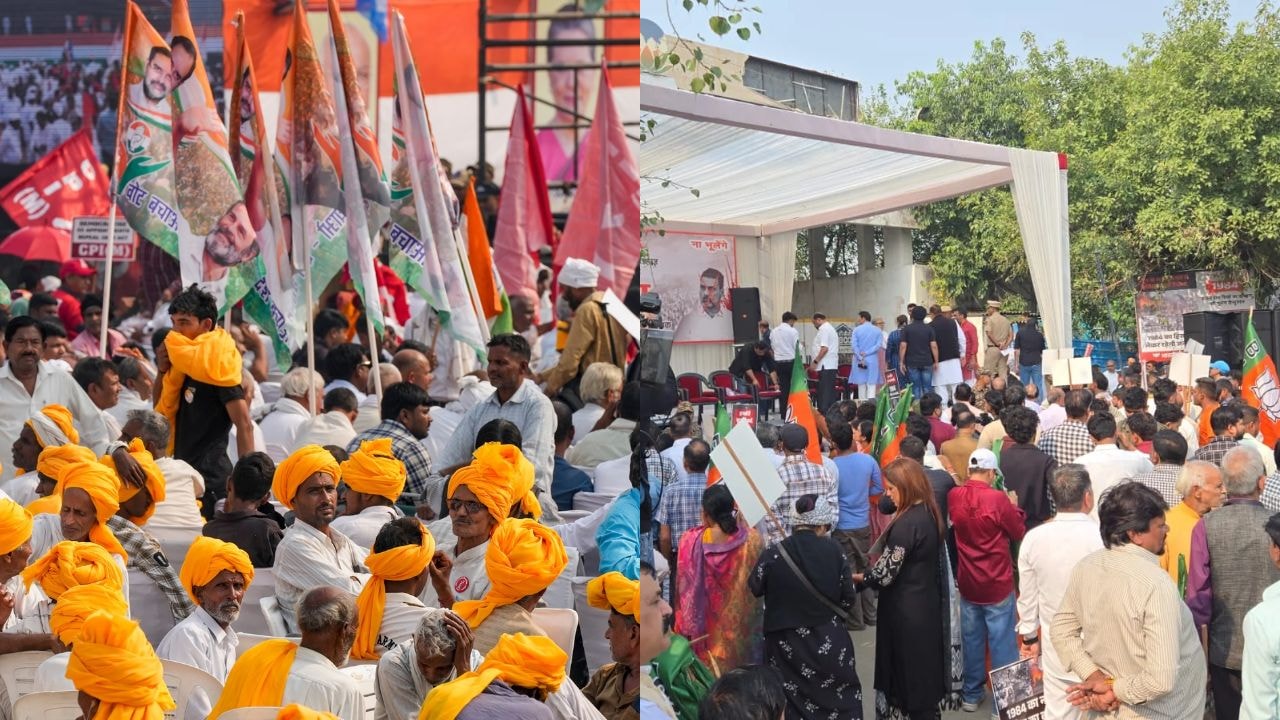
The INDIA bloc and the Bharatiya Janata Party (BJP) held rival marches in the national capital on the same day, each using the occasion to press a separate political charge against the other. While the Opposition coalition demanded the resignation of Chief Election Commissioner Gyanesh Kumar over alleged irregularities in the electoral roll, the ruling party used its march to remind voters of the 1984 anti-Sikh violence and to question the Congress's choice of date.
The Congress-led 'Chalo Dilli' march, led by Leader of the Opposition in the Lok Sabha Rahul Gandhi, began at the Minto Road–Connaught Place junction and is scheduled to culminate at Ramlila Maidan, where the INDIA bloc will hold a rally. The stated demand of the march is the resignation of the Chief Election Commissioner, with the Opposition alleging that electoral roll irregularities have compromised the integrity of the voters' list.
The BJP's march was held in west Delhi, starting from the Sikh-majority Hari Nagar area and concluding at Tilak Nagar metro station. The party said the march was organised to remember those killed in the 1984 violence and accused the Congress of scheduling its own rally on the anniversary of those killings.
The 1984 violence followed the assassination of Prime Minister Indira Gandhi on October 31, 1984. Over the days that followed, mobs attacked Sikhs and their businesses and homes, mainly in Delhi. Official figures place the death toll at close to 3,000, with the majority of the killings in the capital. Successive commissions of inquiry, including the Justice G.T. Nanavati Commission, examined the violence. Several cases remained unresolved for years before convictions were secured in later decades, and the violence remains a charged political subject in Punjab and in the national capital.
On the other side, the Opposition's demand concerns the Election Commission of India, a constitutional body constituted under Article 324 of the Constitution. The Chief Election Commissioner is appointed by the President and can be removed only in the manner prescribed for a judge of the Supreme Court. The Commission has maintained that the electoral roll is prepared strictly in accordance with the law and has rejected allegations that its revision exercises single out any community or political grouping. The Opposition parties have, however, continued to argue that the process needs greater transparency and wider consultation.
Both mobilisations are, in effect, competing efforts to shape the public narrative ahead of forthcoming electoral contests. The INDIA bloc used its rally at Ramlila Maidan to project a joint front on questions of electoral administration, while the BJP used its march to keep the focus on a chapter of Congress-era violence and on the timing of the Opposition's protest.
The two events were held at different locations in the city, and the routes were chosen to reach distinct constituencies: the Opposition through the central Delhi corridor and the BJP through western Delhi's Sikh-majority neighbourhoods. The political symbolism of holding the two marches on the same day was not lost on either side, with leaders of both camps using the occasion to attack the other.
This report is being updated as more details of the marches and the rally become available.