UDAN 2.0: India's Revamped Regional Aviation Scheme Aims to Overcome Past Hurdles
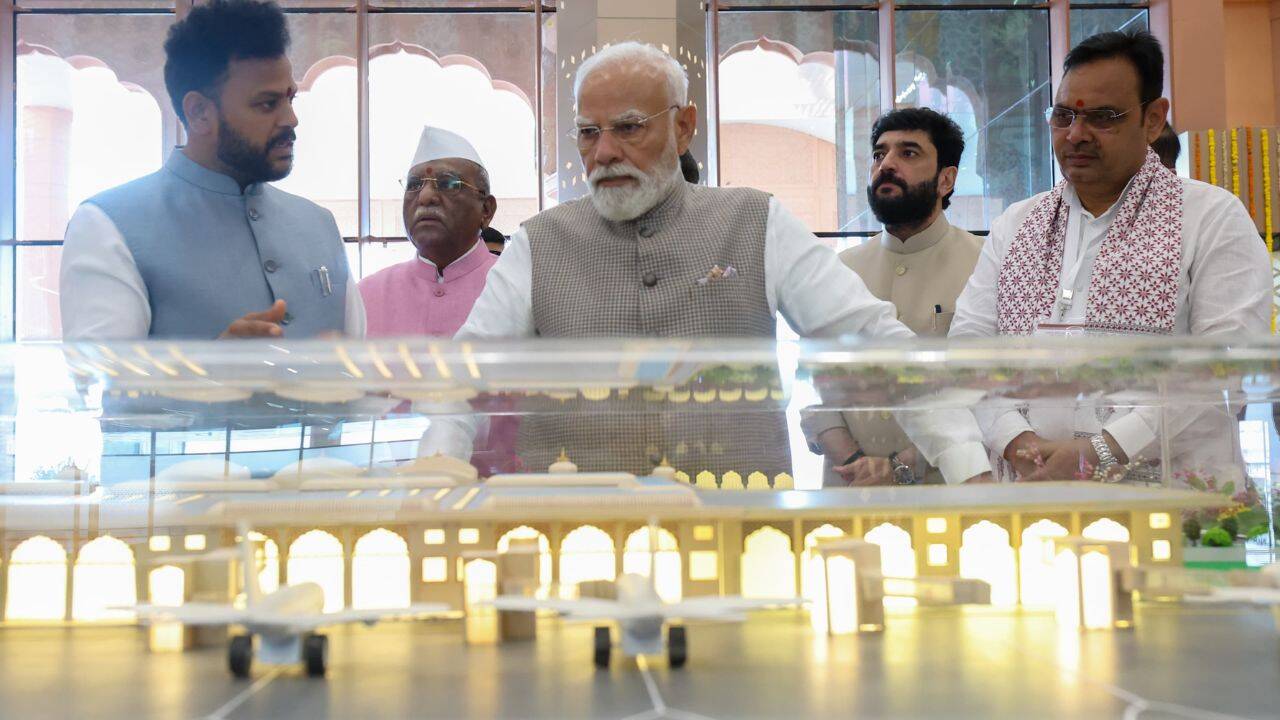
On July 4, Prime Minister Narendra Modi formally launched the Viksit UDAN (Ude Desh ka Aam Nagrik) scheme, also referred to as UDAN 2.0, during the inauguration of the new terminal building at Jodhpur Airport. The initiative marks the government's renewed push to make regional air travel accessible and affordable for common citizens.
UDAN was originally launched in 2017 as a flagship regional connectivity scheme under the Ministry of Civil Aviation. Its core objective was to connect underserved and unserved airports, particularly in smaller cities and remote regions, by capping fares at Rs. 2,500 per seat for a one-hour flight covering roughly 500 km. The government provided viability gap funding (VGF) and other incentives to airlines to operate on these routes.
Despite initial enthusiasm, the first phase of UDAN faced significant turbulence. Many routes were suspended due to low passenger demand, high operational costs, and the sudden grounding of airlines like Jet Airways. Infrastructure shortcomings at regional airports—such as lack of night-landing facilities, security equipment, and fuel stations—further hampered operations. Out of the 70 routes awarded in the first round, only about half became operational, and many of those were later discontinued.
UDAN 2.0 introduces several course corrections to revive regional aviation dreams. Key changes include an extended support period of five years instead of three, giving airlines more time to build sustainable operations. The scheme now covers helicopter and seaplane services, with a focus on connecting hill stations, islands, and remote areas where airports are not feasible. Additionally, the government is promoting indigenous aircraft like the Hindustan Aeronautics Limited (HAL) Hindustan-228 to reduce reliance on imported planes and lower operational costs.
Another major change is the expansion of helipads and small airstrips under the 'Helicopter UDAN' component, targeting tourism and emergency services. The government has also relaxed eligibility criteria to allow more operators, including startups and non-scheduled airlines, to participate. Better coordination with state governments is planned to ensure necessary infrastructure and regulatory clearances are in place before routes are awarded.
Can UDAN 2.0 succeed where the first phase struggled? Analysts point to several positive moves: longer support tenure, inclusion of diverse aircraft types, and a sharper focus on demand estimation. However, challenges remain: sustaining passenger interest beyond initial subsidies, ensuring timely infrastructure upgrades, and convincing airlines that regional routes can be profitable without perpetual government support. The success also hinges on revival of demand for air travel post-pandemic and stable fuel prices.
Why UDAN matters beyond aviation: The scheme is not just about flights—it is about economic integration. Better connectivity can boost tourism, trade, and medical access in remote areas. It can reduce travel time from days to hours, opening up new markets for local produce and handicrafts. The scheme also aligns with the government's broader 'Make in India' and 'Atmanirbhar Bharat' (self-reliant India) initiatives by promoting indigenous aircraft manufacturing.
As India gears up to become the world's third-largest aviation market by 2030, regional connectivity is critical to prevent congestion at major hubs like Delhi, Mumbai, and Bengaluru. UDAN 2.0, if implemented effectively, could be a game changer—but it requires consistent policy support, robust infrastructure, and a viable business model for airlines. The next few years will reveal whether this reboot can truly get India's regional aviation dreams past the turbulence.







