Trump Seeks $88 Billion in Emergency Spending, Bulk for Iran Military Operations
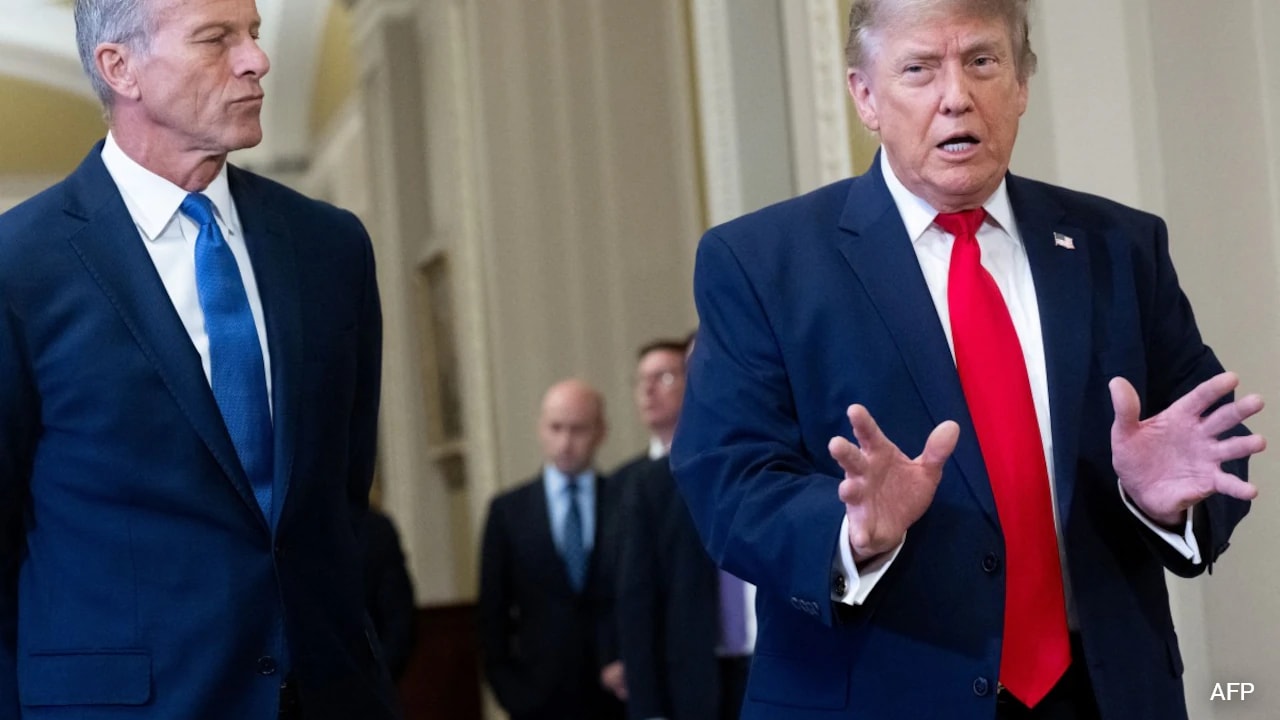
US President Donald Trump has asked Congress for nearly $88 billion in supplemental funding, with the majority of the money intended for military operations related to the ongoing conflict with Iran. The request, made in a letter to House Speaker Mike Johnson on Wednesday, comes amid growing unease in both political parties over the cost and consequences of the military engagement.
The White House is seeking $87.6 billion in additional spending, which includes tens of billions for the Department of Defence, as well as funds for American farmers, Ebola response efforts in Central Africa, and domestic infrastructure projects. The proposal follows a largely symbolic resolution passed by Congress the previous day, which called on the President to end US hostilities with Iran unless lawmakers explicitly authorise further military action.
The request also arrives as the administration attempts to convert a preliminary agreement with Tehran into a final settlement. The conflict, which has lasted several months, has disrupted global energy markets, driven up prices, and exposed divisions within Trump's Republican Party.
In his letter, White House budget director Russell Vought urged Congress to act quickly on what he described as 'important and urgent requests.' The bulk of the package—approximately $67 billion—would go to the Pentagon, covering costs directly linked to the Iran operations. This includes $21 billion for munitions and other military capabilities, $17.3 billion for operational expenses, and $12.1 billion for classified programmes.
Additionally, the administration sought nearly $768 million for the Department of Energy for nuclear and energy security related to Iran, and $300 million for the State Department for embassy security and construction in countries surrounding Iran.
The request is likely to face scrutiny from lawmakers in both parties, some of whom have expressed concerns about the lack of congressional authorisation for the military engagement. The House and Senate will now debate the proposal, with the possibility of amendments or alterations before any final approval.