Trump scraps 20% Hormuz transit fee, opts for Gulf investment deals
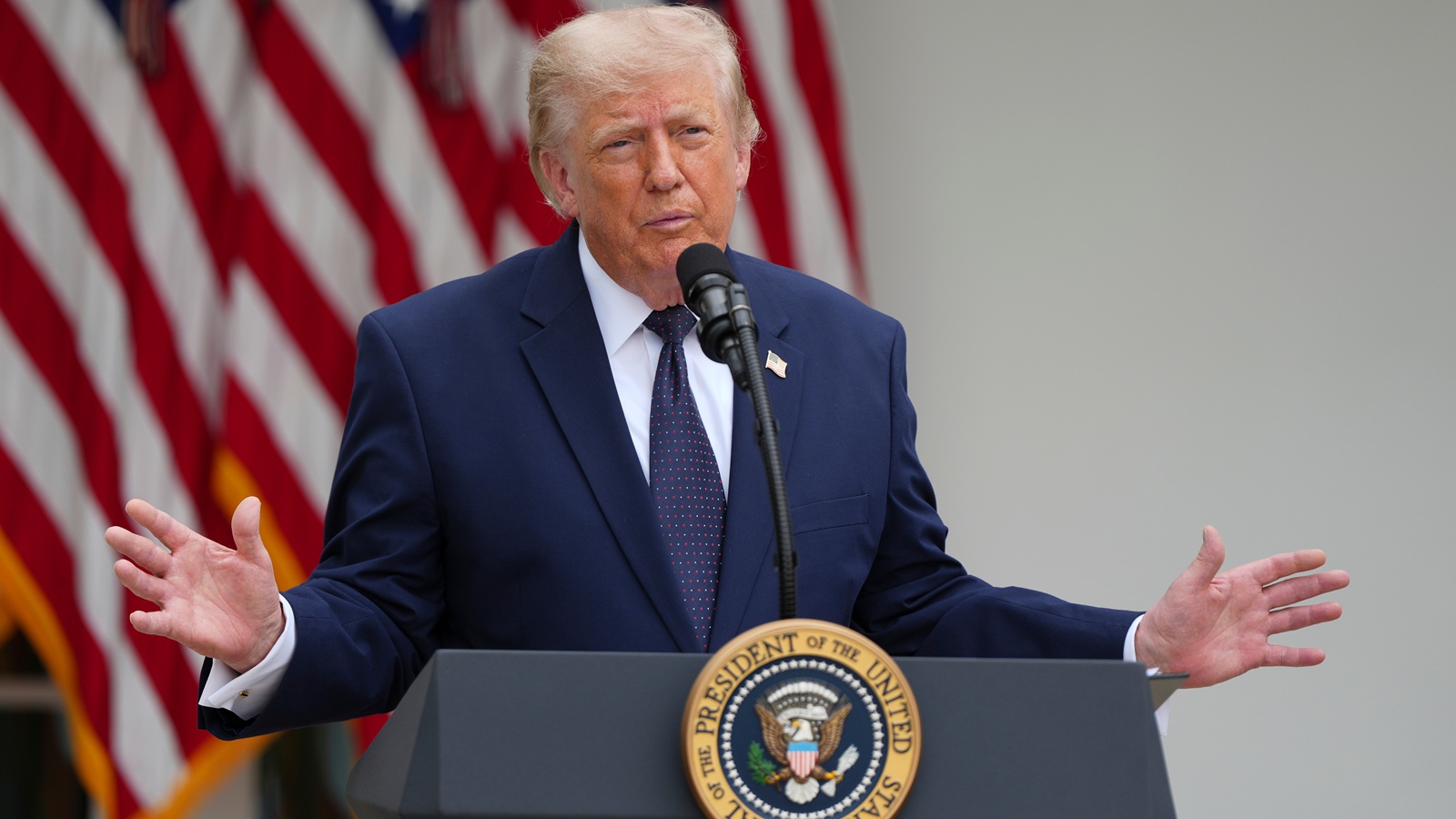
US President Donald Trump has announced a reversal of his decision to impose a 20 per cent fee on cargo passing through the Strait of Hormuz, choosing instead to pursue trade and investment deals with Gulf nations. The change was revealed in a post on his social media platform, Truth Social, on Tuesday.
In his statement, Trump said: 'Based on highly productive conversations with Middle East leadership, I have decided to replace the 20% United States Reimbursement Fee with Trade and Investment Deals that the various Gulf States will be making into the United States.' The fee was originally set to take effect at 8 pm GMT.
The Strait of Hormuz, a narrow waterway between the Persian Gulf and the Gulf of Oman, is a critical chokepoint for global oil shipments. Approximately 20 per cent of the world's petroleum passes through it. The proposed fee had sparked concerns among shipping and energy markets.
The US administration had earlier indicated the fee was part of its strategy to pressure Iran over its nuclear programme and regional activities. However, Trump's latest announcement signals a shift towards economic engagement with Gulf allies rather than unilateral tariffs.
No further details on the specific trade and investment deals were provided. The White House has not commented on whether the naval blockade of Iran, which was mentioned in earlier statements, will continue.
Critics of the fee had argued that it would increase costs for global trade and strain relations with key allies in the region. Supporters maintained it was a necessary measure to offset US defence expenditures in the Gulf.
India, which imports a significant portion of its crude oil from the Gulf region, had been closely monitoring the situation. The reversal is likely to be welcomed by New Delhi as it seeks stable energy prices.
The development comes amid ongoing tensions between the US and Iran, but the immediate focus has shifted to diplomatic and economic negotiations with Gulf states.