Six civilians killed in Pakistan-administered Kashmir as security forces open fire on protesters
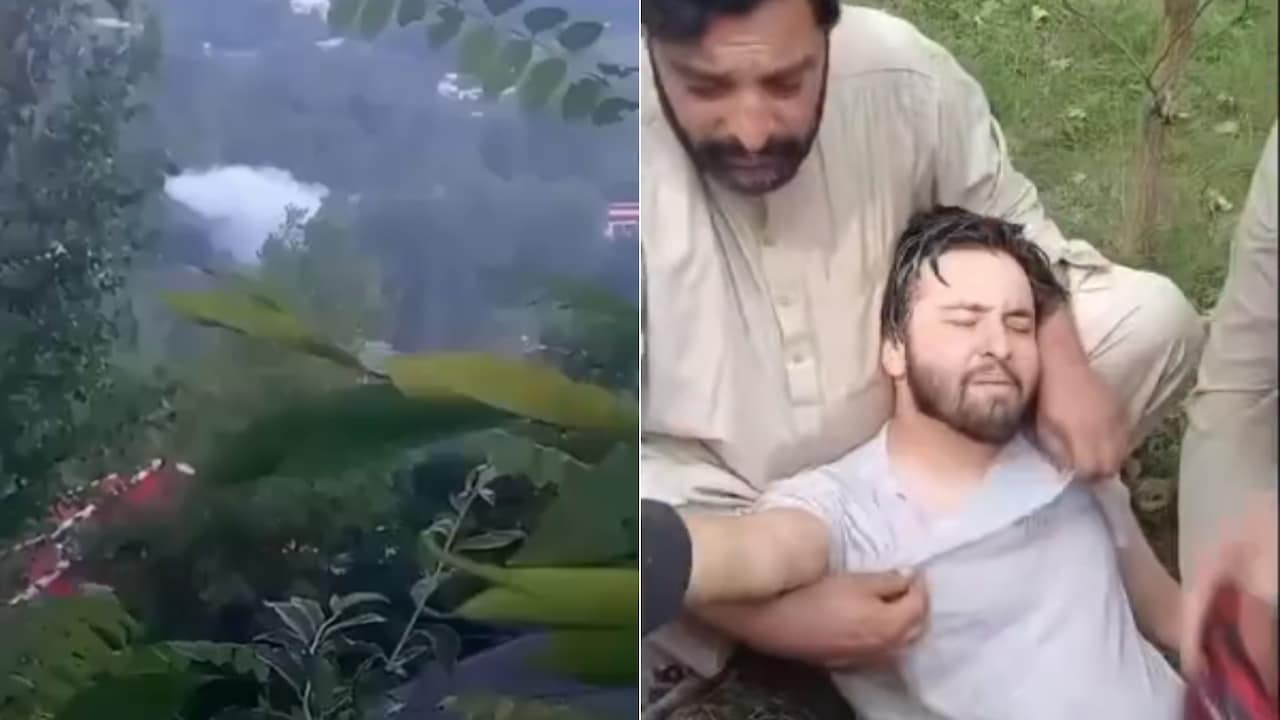
Six civilians were killed on Tuesday when Pakistani security forces opened fire during clashes with protesters in Rawalakot, a town in Pakistan-administered Kashmir. The incident occurred near the New Bus Terminal in the Baloch Sadhunati area, according to local reports.
Among those killed were Zahid Mughal, Zafar Mughal, Arsalan Akbar, and Wajid Hayat, the latter at the Matial Mira Bus Terminal. The violence comes amid escalating tensions in the region, where residents have been protesting against the Pakistani government over alleged human rights abuses and poor governance.
The crackdown follows a series of demonstrations that began last month, with protesters demanding the release of political prisoners, an end to internet shutdowns, and better provision of essential services. On Monday, a group of expatriates from the region held a protest outside the White House in Washington, D.C., calling for international attention to what they describe as a humanitarian crisis in Pakistan-administered Kashmir.
The Indian government condemned the violence. In a statement, a spokesperson for India's Ministry of External Affairs said, 'The ongoing protests in PoJK are a direct consequence of Pakistan's decades-long systemic exploitation, denial of fundamental rights, and administrative oppression in areas under its illegal and forcible occupation.' India has long claimed the entire former princely state of Jammu and Kashmir, including areas administered by Pakistan.
The region, which Pakistan calls Azad Jammu and Kashmir, has faced chronic economic and social challenges. A study published in Nature in 2025 found that nearly 66% of the population depends on agriculture for survival, while over 57% of households experience food insecurity. The same study noted that 29% of residents are undernourished, significantly higher than Pakistan's national average of 19.9%. In mountainous areas, food insecurity affects up to 90% of households. Healthcare indicators are also poor: 39% of children under five suffer from stunted growth, and the maternal mortality ratio is 104 per 100,000 live births, according to Pakistan's Voluntary National Review Report.
The Pakistani government has not yet commented on the latest deaths. The region has been under internet blackouts for several days, which activists say has hampered communication and access to information.
The Line of Control, which divides the former princely state, remains heavily militarized. Some protesters have called for India to intervene and open the border for humanitarian aid, but India has historically refused direct engagement, insisting that the entire region is an integral part of India.
The international community has urged restraint on all sides. The United Nations has called for a peaceful resolution to the dispute and respect for human rights in the region. The situation remains tense, with further protests expected in the coming days.