Trump Imposes 20% Hormuz Cargo Levy, Raising India Energy Concerns
US President Donald Trump has announced a 20 percent charge on all cargo transiting the Strait of Hormuz, a move that has heightened concerns for India — a major importer of Gulf crude oil and natural gas that passes through this strategic waterway. The announcement comes amid escalating conflict between the US, Israel, and Iran.
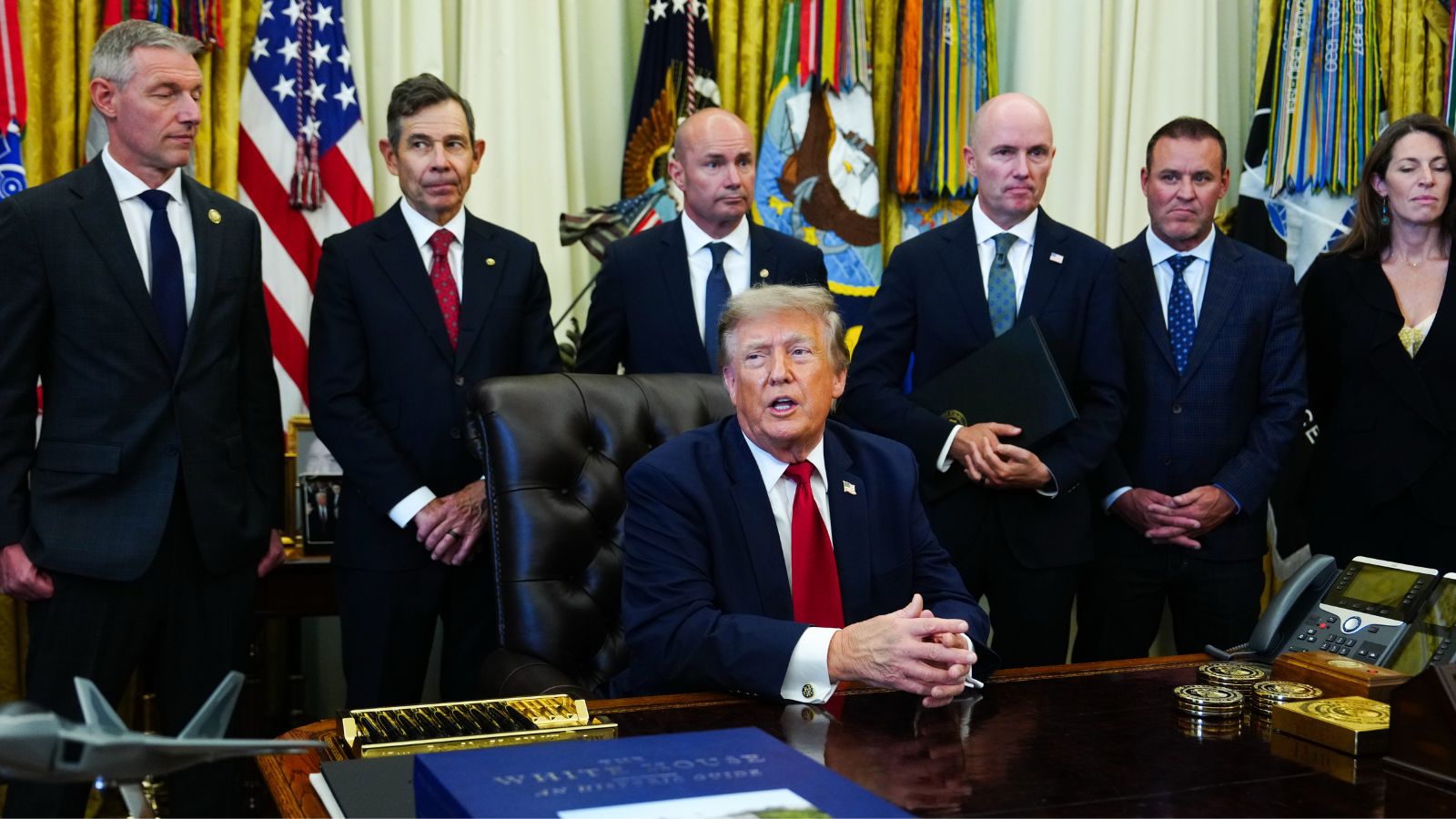
Speaking at the White House on Monday, Trump said the US would reinstate a naval blockade of Iranian ports and impose the levy on all other vessels using the strait, framing it as compensation for American forces securing the route. Vessels linked to Iran would be barred entirely, with the blockade taking effect from 8 pm GMT on Tuesday. “We are hitting them very hard and controlling the strait,” Trump told reporters, while adding that a peace deal with Iran remained possible.
Hours before Trump’s announcement, the UAE reported that Iranian cruise missiles had struck two of its tankers — the Mombasa and Al Bahiyah — in the strait’s southern shipping lane within Omani territorial waters. The attack killed one Indian crew member and injured eight others, six of them Indian nationals and two Ukrainian, four seriously. The UAE’s Ministry of Defence called it a “brazen attack” violating international law and said it reserves the right to respond.
Iran’s foreign minister, Abbas Araghchi, responded on X, sarcastically agreeing that whoever secures the strait should be compensated, but calling 20 percent “too much.” He reiterated that Iran has always been the “guardian” of the strait. Iran’s top military command separately warned it would not allow the US to interfere in the management of the strait, treating any US-linked cooperation as an act of war.
The International Maritime Organization, the UN’s shipping regulator, said there is no legal basis for imposing mandatory tolls on transit through an international strait, a spokesperson told Reuters.
For India, the consequences could be significant. Before the conflict escalated in February, roughly one-fifth of the world’s oil and liquefied natural gas moved through the Strait of Hormuz — a route India depends on heavily for Gulf energy supplies. A 20 percent surcharge, if enforced, would raise landed costs for Indian refiners and could eventually feed into domestic fuel prices, even as New Delhi has diversified toward discounted Russian crude in recent years. The presence of six Indian nationals among the injured also underscores the exposure of Indian seafarers, who form a large share of Gulf-transiting crews.
India’s Ministry of External Affairs has not yet issued a statement on either the tanker attack or the proposed cargo levy. The ministry has previously issued advisories for Indian nationals in the region.







