Thorium fuel safety debate: US firm challenges BARC's concerns, says fuel is safe for India's reactors
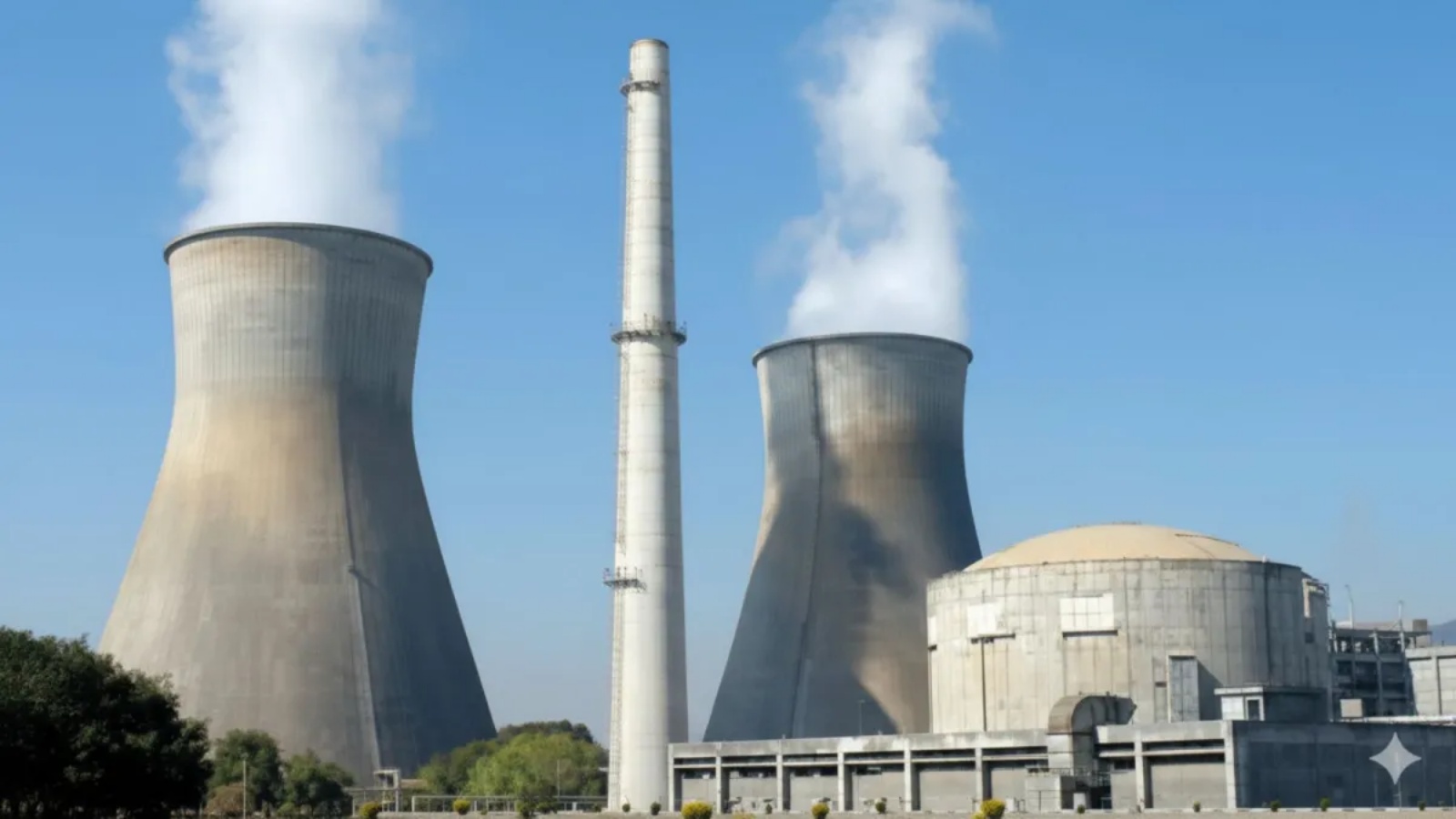
A US-based nuclear fuel company has pushed back against safety concerns raised by Indian scientists over the use of a new thorium-based fuel in existing pressurised heavy water reactors (PHWRs). Clean Core Thorium Energy (CCTE), based in Chicago, argues that its advanced fuel, named ANEEL, can be deployed without modifying reactor designs or control systems and actually improves key safety characteristics.
The company, along with researchers from the Massachusetts Institute of Technology and other institutions, published a paper in the journal Nuclear Engineering and Design challenging an earlier study by scientists at the Bhabha Atomic Research Centre (BARC). The BARC paper, published in Current Science in January, had concluded that using ANEEL fuel in India's existing PHWRs would require substantial reactor redesigns and could increase safety risks during accidents.
CCTE describes ANEEL as a 'plug-and-play' replacement for natural uranium fuel bundles. It retains the same external dimensions and geometry, with changes limited to internal pin design and fuel composition. The company claims the fuel can generate about six times more energy than conventional natural uranium.
One key point of disagreement is the effectiveness of reactor shutdown systems. The BARC study estimated a 26% reduction in shutdown system effectiveness, necessitating a redesign of the Primary Shutdown System. However, the CCTE paper estimates a smaller reduction of up to 16% and argues that the existing system retains sufficient margin—70 mk against a safety requirement of 50 mk—making a redesign unnecessary.
Another area of contention is coolant void reactivity (CVR), a critical safety parameter. BARC scientists argued that using thorium-HALEU fuel would make CVR more positive, raising safety concerns. CCTE refutes this, claiming that ANEEL reduces the risk. In a loss-of-coolant accident, standard uranium fuel causes a power surge measured at 16.4 mk, while ANEEL reduces it to 13.3 mk, making the reactor more stable during an emergency. The company attributes this improvement to the fuel's heterogeneous ring-wise design.
Clean Core is only the second American company in nearly two decades to secure an export license from the US Department of Energy to sell nuclear technology to India. In December 2024, state-owned NTPC Ltd and CCTE announced a strategic partnership to explore the development and deployment of ANEEL in India's existing nuclear stations, subject to regulatory clearances. The partnership also aims to explore indigenisation of manufacturing, local supply chain development, and supply of uranium to India with a sovereign guarantee.
India's PHWR fleet accounts for the majority of its operational nuclear reactors. The debate over ANEEL's safety and compatibility highlights the technical complexities involved in introducing new fuel types into existing reactors, even as India seeks to expand its nuclear power capacity.







