Energy Firm Urges Centre to Launch India's First LPG Efficiency Policy Amid Rising Prices
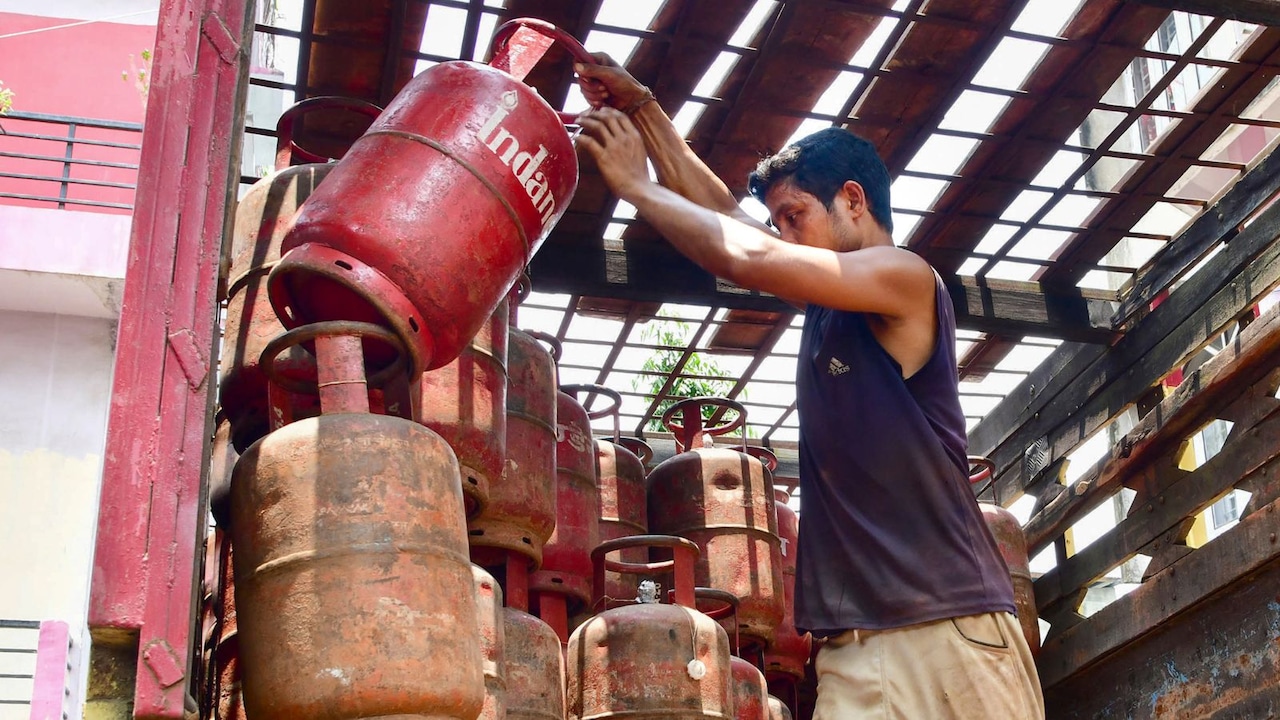
As global energy prices climb due to geopolitical tensions in the Middle East, an Indian energy company has called on the government to introduce a policy framework for efficient consumption of liquefied petroleum gas (LPG). Pune Gas has submitted a representation to the Ministry of Petroleum and Natural Gas, proposing what it describes as India's first LPG Efficiency Policy Framework.
The proposal comes at a time when disruptions in global LPG markets, partly linked to the ongoing conflict involving Iran, have driven up commercial LPG prices. According to the company, commercial LPG cylinder prices have risen to around Rs 3,100, compared with about Rs 1,884 earlier this year, increasing costs for businesses such as restaurants, hotels, hospitals, food processing units, laundries, and manufacturing units that rely heavily on LPG.
While India has largely maintained uninterrupted LPG supplies through government intervention, Pune Gas argues that the next step in strengthening the country's energy security should focus on improving the efficiency of LPG consumption. The company has written to Petroleum and Natural Gas Minister Hardeep Singh Puri, proposing a broader policy aimed at reducing wastage, promoting standardisation, and encouraging the adoption of more efficient LPG infrastructure across commercial and industrial establishments.
Among its recommendations, Pune Gas has urged the government to improve LPG utilisation efficiency across industries and encourage oil marketing companies (OMCs) to promote 47.5-kg LOT cylinders wherever operationally suitable. According to the company, these larger cylinders can help reduce wastage, improve safety standards, minimise pilferage, and make better use of available LPG supplies.
The proposal also calls for nationwide awareness campaigns on efficient LPG usage, greater collaboration between the government, OMCs, and industry stakeholders to standardise practices, and policy incentives to accelerate the adoption of efficient LPG systems.
Jesal Sampat, Executive Director and CEO of Pune Gas, said India has traditionally measured its LPG challenge by the amount of fuel procured and supplied. 'We believe it is now time to also measure how efficiently we use the fuel we already have. The next leap in India's energy security will not come only from increasing supply; it will also come from eliminating avoidable wastage,' Sampat said. He added that every kilogram of LPG used efficiently reduces operating costs, eases pressure on national demand, and strengthens the resilience of the energy ecosystem.
Sampat urged the Ministry to recognise LPG efficiency as a national priority by introducing a policy framework for efficiency and standardisation. Such measures, he said, would not only strengthen India's energy resilience but also support industries heavily dependent on LPG.
As part of its proposal, Pune Gas highlighted LPGenius, an indigenous LPG management system developed by the company under the Atmanirbhar Bharat initiative. The company says the system is designed to improve LPG efficiency, operational safety, and cost optimisation for commercial and industrial users. Pune Gas has also offered to work with the Ministry and OMCs by sharing field data, implementation insights, and case studies, and supporting pilot projects aimed at creating a more efficient and sustainable LPG ecosystem.







